
Guppies are the easiest fish in the freshwater hobby to breed. The problem isn’t getting them to breed — it’s stopping them, or managing the resulting population explosion, or actually keeping the fry alive long enough to become sale-quality adults.
This guide covers the honest UK-focused version. Sexing, tank setup, keeping fry alive past the vulnerable first weeks, colour breeding for profit, and — critically — what to do with all the guppies you’ll end up with.
This article contains affiliate links. If you buy through one of them, FishForever earns a small commission at no cost to you. We only recommend products we’d use ourselves. See our Affiliate Disclosure.
- Guppies breed with no intervention — the challenge is keeping fry alive and managing the population explosion.
- For real fry survival, use a species-only tank with dense plants and feed baby brine shrimp.
- One female produces 20–80 fry every 3–4 weeks and can store sperm for months.
- UK aquatic shops accept healthy surplus fry for store credit.
Quick facts
- Scientific name: Poecilia reticulata
- Gestation: 21–30 days
- Brood size: 20–80 fry per gestation
- Sexual maturity: 8–12 weeks
- Fry per year (uncontrolled): 200+ per adult female
- UK aquatic shop sale price: 50p–£2 per fry
Yes — one female guppy produces hundreds of fry per year. Left uncontrolled, a starter group of 6 becomes 200 within 6 months.
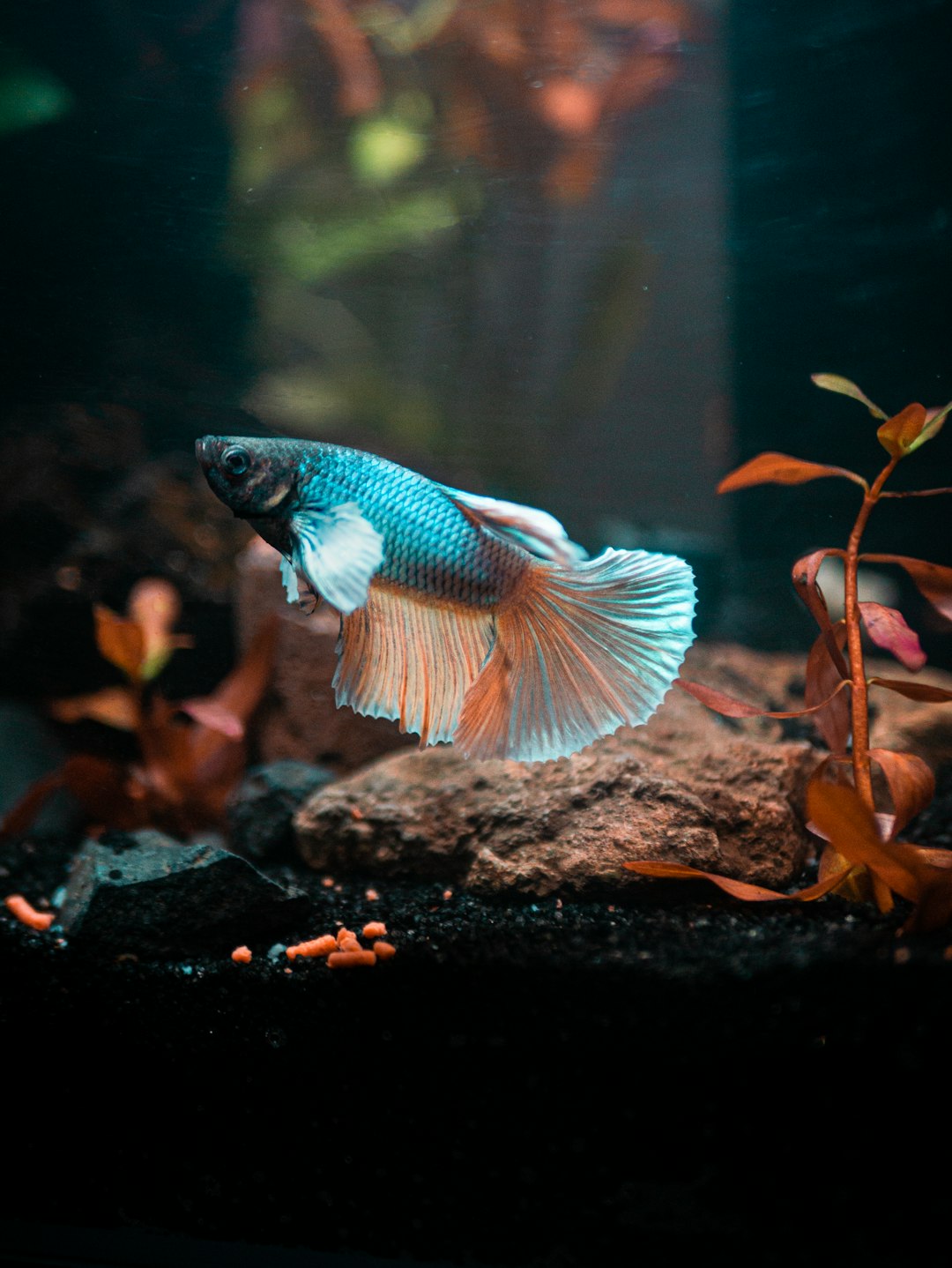
Sexing guppies
Male: modified anal fin (gonopodium — a thin stick pointing back). Smaller body, more colourful.
Female: normal fan-shaped anal fin. Larger, plumper body. Grey-silver with faint markings.
Reliable sexing at 3–4 weeks — differences visible by 2 cm size.
Stocking ratio for breeding
- 2 females : 1 male — standard breeding ratio
- 1 female alone with even one male becomes exhausted from constant mating attempts within weeks — she dies young
- 3+ females per male — females rest between mating; males still fertilise all
Male-only groups are popular for aquascape display — no fry produced, colourful, active.
The setup
Community tank breeding (easy but low fry survival)
If you don’t care about maximising fry — just want the odd new guppy occasionally — the community tank works:
- Add dense plants especially fine-leaved species (hornwort, Java moss)
- Add a breeder box or mesh net as sanctuary
- Expect 1–5% fry survival — the rest are eaten by community fish (including adult guppies)
Species-only breeding tank (proper breeding setup)
For real breeding results:
- 40–60L species-only tank
- Sponge filter with air pump — fry-safe
- Dense plants — hornwort, Java moss, Amazon frogbit floating
- Temperature: 25–26°C
- 6 adult guppies (2 males, 4 females) as starter group
- Consistent feeding schedule — twice daily with variety
Fry survival in a properly-set-up breeding tank: 70–90% of newborns reach sale size.
The breeding cycle
Guppies are livebearers — internal fertilisation, live birth of free-swimming fry.
- Mating happens continuously in mixed-sex tanks
- Female stores sperm for up to 6 months — a single mating produces multiple broods
- Gestation: 21–30 days at 25°C
- Signs of imminent birth: darkened gravid spot behind anal fin, “square” body shape, female becomes reclusive, hangs in one spot
- Birth: 20–80 fry over 1–4 hours, usually early morning
- Immediate mating attempts — males target the just-birthed female within hours
Cycles run about every 3–4 weeks once a female is sexually active (roughly 3 months old).
Caring for the fry
Immediate care (first 24 hours)
Newborn guppies are 6–8 mm, fully formed, and immediately mobile. They shoot for cover in plants.
- DO NOT remove the mother immediately — she’s usually too exhausted to hunt fry for the first few hours
- DO remove her within 24 hours — she’ll start eating fry once recovered
- DO NOT clean the tank for 48 hours after birth — disturbance kills fry
- DO turn off filter or block intake — fry can get sucked in
First-week feeding
Fry need small food constantly.
- Hikari First Bites — powdered fry food, industry standard
- Sera Micron — alternative
- Baby brine shrimp hatchery — the gold standard for fastest growth. Set up a small hatchery — 24 hours from egg to newly-hatched Artemia.
- Crushed adult flake — fine, but less nutritionally complete
Feed 3–5 times daily, small amounts. Baby brine shrimp is dramatically better than dry foods for growth rate.
Weeks 2–4
- Continue small food + baby brine shrimp
- Fry double in size weekly
- 25% water change daily (bare-bottom breeding tank fills with waste)
- Note colour development
Weeks 4–8
- Transition to crushed flake, small pellets
- Fry approaching 2 cm
- Sex becomes visible
Weeks 8–12
- Sale size (2–3 cm)
- Colour fully developed
- Ready for either main tank, sale, or continued breeding
What to do with all the guppies
The single biggest question. Options:
Option 1 — Sell to UK aquatic shops
- Most independent UK aquatic shops accept healthy guppies for store credit
- Prices: 30p–£1 for basic guppies; £1–£5 for fancier strains
- Requirements: healthy, active, sexed, in decent-sized batches
- Approach: phone the shop first; describe your stock
Realistic income: a 40L breeding tank producing 50 saleable guppies per month × £1 per fish × £50/month store credit = £600/year. Not enough to quit your day job. Enough to cover fish food and equipment costs.
Option 2 — Local aquarist community
- Facebook fish keeping groups — regional UK groups
- UK aquascape forums
- Reddit r/PlantedTank r/Aquariums UK
- Local aquascape society meetings
Free or cost-of-bag transactions. Better than shop credit for rare colours or breeding lines.
Option 3 — Breeding for specific strain
Colour-breeding — selecting only vivid or unusual patterns for continued breeding:
- Culling: rehome or cull dull-coloured fry
- Line breeding: breeding male to female within the same colour line
- New blood: every 2–3 generations, add unrelated fresh stock to prevent inbreeding depression
Strains that sell better in the UK: fancy tail (flowing tails), snake-skin (unique patterns), cobra (specific markings), rare colours (mostly black, mostly white, “moscow” blue).
Option 4 — Keep them all
Your tank fills with guppies. This is inevitable if you don’t rehome. A 60L tank comfortably holds 15–20 adult guppies; over 30 and water quality suffers.
Genetic considerations
Inbreeding depression — breeding closely-related guppies over generations produces:
- Weaker immune systems
- Colour fade
- Deformities
- Reduced brood sizes
Prevention: every 2–3 generations, introduce unrelated fresh guppies to maintain diversity. Buy from a different UK aquatic shop or trade with other breeders.
Common problems
Female dies giving birth — usually stress, poor water quality, or gestational disease. Test water. Ensure smaller water changes during pregnancy.
All fry die within 48 hours — usually water quality (ammonia spike) or temperature swings. Bare-bottom breeding tanks fill with waste rapidly; daily water changes essential.
Fry deformed or slow growing — inbreeding, poor water quality, or feeding wrong food. Baby brine shrimp is critical for proper development.
Colours fading over generations — inbreeding. Add fresh blood.
Males chasing females to exhaustion — stocking ratio wrong. Increase female count.
The “guppy breeder economics” — realistic view
The internet claims you can “make thousands breeding guppies at home.” Reality for a UK aquarist with one 40L breeding tank:
- Time investment: 15 min/day tank maintenance + fry feeding
- Fry produced: 100–200 per month
- Sale value at shop: £30–£100/month store credit
- Compared to cost of setup, food, electricity: breakeven at best
Guppy breeding as a serious income is only viable at commercial scale (multiple tanks, wholesale distribution). For most UK aquarists, it’s a hobby that pays for itself — not a career.
Bottom line
Guppy breeding requires zero specialist knowledge — a mixed-sex group in a stable community tank produces fry naturally. The skill is in:
- Keeping fry alive — dense plants + baby brine shrimp + frequent small feeds
- Managing population — regular rehoming to prevent overcrowding
- Breeding for colour — selective culling maintains desirable traits
Start with 6 adult mixed guppies from a good UK aquatic shop. Feed well. Rehome regularly. Never buy again — your colony will sustain itself indefinitely.
Frequently asked questions
How do guppies breed?
Guppies are livebearers that breed continuously in a mixed-sex tank. Females give birth to 20–80 free-swimming fry every 3–4 weeks and can store sperm for several broods.
How do I keep guppy fry alive?
Use a species-only tank or a mesh breeder net for cover, feed baby brine shrimp and crushed flake several times daily, and do small daily water changes. Survival reaches 70–90% in a dedicated setup.
Can you make money breeding guppies?
It typically only pays for itself. A single tank produces 100–200 fry a month worth £30–£100 in shop credit — enough to cover food and equipment, not a serious income.
Related: breeding livebearers guide (guppies + mollies + platies), cherry shrimp breeding, breeding corydoras, best aquarium fish for UK beginners.
— Jaqline Smalling, FishForever
Leave a Reply