
Hornwort is aquarium plant equivalent of a weed — it grows insanely fast, absorbs nutrients faster than any other freshwater plant, and can be treated with benign neglect for years. It’s not always pretty, and it sheds needles constantly (annoying), but for solving nitrate problems and providing dense cover, no other beginner plant comes close.
This guide covers hornwort’s uses, the two common growing modes (floating vs rooted), how to propagate, and how to manage its aggressive growth.
This article contains affiliate links. If you buy through one of them, FishForever earns a small commission at no cost to you. We only recommend products we’d use ourselves. See our Affiliate Disclosure.
- Hornwort is the fastest-growing and most nitrate-hungry beginner plant — it needs no substrate and grows floating or anchored.
- It tolerates 15–28 °C, including cold-water tanks, as a native UK species.
- It sheds needles constantly, especially after being moved or after water changes.
- It provides excellent cover for fry and biofilm for shrimp.
Quick facts
- Scientific name: Ceratophyllum demersum
- Common names: Hornwort, coontail
- Origin: worldwide (native across northern Europe including the UK)
- Adult size: unlimited — grows to any tank size given light
- Light needs: moderate to bright
- Substrate: rootless — floats or is loosely anchored
- Water temperature: 15–28°C (huge tolerance including coldwater)
- pH: 6.0–8.0
- Water hardness: any UK tap water
- Growth rate: 5–15 cm per week
- CO2: not required
- Difficulty: easiest fast-growing plant sold
Why hornwort matters
Three superpowers:
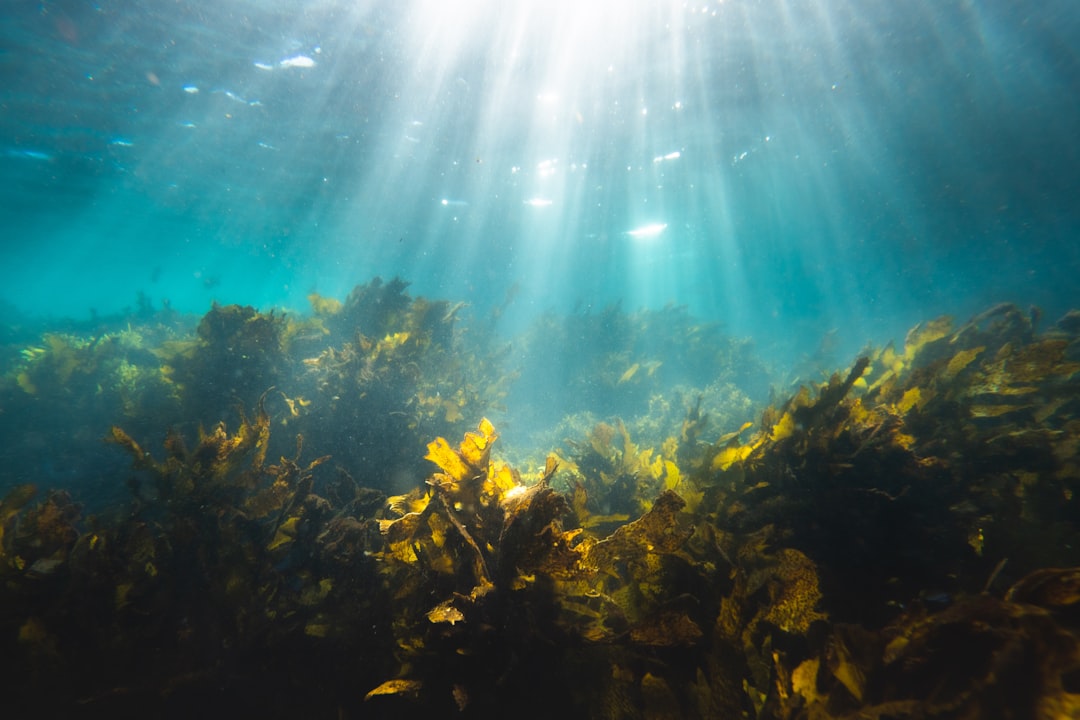
1. Absorbs nitrate faster than almost anything. A tank with hornwort typically doesn’t need nitrate management — the plant consumes it as fast as fish produce it. See our how to lower nitrate in fish tank for context.
2. Grows in cold water. Native UK species — perfect for coldwater and sub-tropical setups. See our best cold water fish UK guide.
3. Absorbs ammonia during emergencies. During cycling accidents or ammonia spikes, a bunch of hornwort acts as a biological ammonia sponge.
Where to buy in the UK
- Amazon UK: Hornwort aquarium — sold in bunches. £3–£6 per bunch.
- Most UK aquatic shops stock hornwort in the “loose plants” section by the litre or by the bunch.
- UK pond suppliers sell hornwort by the kilogram for outdoor ponds — often the cheapest source.
Hornwort is one of the cheapest plants in the hobby. Never overpay.
The two growing modes
Floating (recommended for most tanks)
Just place hornwort at the water surface. Some sprigs will lie horizontally, others will hang vertically with weighted ends.
Pros: maximum nutrient absorption (roots and stems both dangle in the water column); shades the tank; forms a floating canopy fry hide in.
Cons: blocks light from tank plants below; sheds needles constantly.
Rooted / anchored (in a planted display)
Weight the base of a stem with an aquascape stainless-steel weight or push into substrate. Sits vertically as a “background” plant.
Pros: more traditional aquascape look; controlled position.
Cons: doesn’t develop true roots — the “root” end just rots and needs periodic replacing.
Most UK aquarists let hornwort float. It’s easier and more effective.
Water and lighting
Water: tolerates virtually anything.
- pH 6.0–8.0
- Temperature 15–28°C (yes, that’s cold to tropical)
- Nitrate 0–80 ppm (will absorb higher, but tank overall shouldn’t be at 80)
- UK tap water works everywhere
Light: moderate to bright ideal. Under low light, hornwort grows but sheds heavily and looks straggly. Under bright light, forms dense feathery masses.
Photoperiod: 6–10 hours daily. Longer photoperiod = more growth = more shedding. Balance based on how much pruning you want to do.
Feeding hornwort
Hornwort absorbs nutrients directly from the water column via its needles. Doesn’t need root feeding (no roots).
- Regular tank waste (nitrate from fish feeding) is usually adequate
- Iron supplementation — hornwort loves iron; without adequate iron, colours pale to yellow. Add iron supplement for aquarium plants if needed.
- Standard liquid ferts — Seachem Flourish provides everything hornwort needs.
Under-fertilised hornwort becomes stringy. Well-fertilised hornwort is dense and feathery.
Propagation — cutting and it grows
Cut any hornwort stem and both halves keep growing. Each half becomes an independent plant.
How to propagate:
- Use aquascape scissors to cut a stem.
- Both halves keep growing.
- Replant cut sections wherever you want more hornwort.
- Discard growth you don’t want.
Because it grows so fast (5–15 cm/week), you’ll be pruning weekly. Save the trimmings, replant elsewhere, or dispose of them.
Shedding — the annoying part
Hornwort sheds needles constantly. Fine green needles float around the tank and settle on decor. This is normal — it’s how hornwort responds to changing conditions or physical disturbance.
When shedding is worse:
- After a big water change (temperature/parameter shift)
- After adding new fertilisers or medications
- After moving hornwort around
- In low-light conditions (starving)
- Right after purchase (transition stress)
Management:
- Weekly gravel vacuum picks up settled needles
- Reduce moving hornwort around
- Use a filter with adequate mechanical filtration — a floss layer traps floating needles
Expect shedding forever. It’s the price you pay for the fastest-growing plant in the hobby.
Tank mates
Safe with everything. No fish eats hornwort — the needles taste bitter.
Fish that particularly benefit from hornwort:
- Livebearers — guppies, mollies, platies — fry hide in the dense floating mass
- Bettas — bettas love resting in floating hornwort
- Killifish — spawn in fine hornwort strands
- Danios — zebra danios breed by dropping eggs into thick hornwort
Shrimp tanks: hornwort provides massive biofilm surface area. Cherry shrimp and amano shrimp graze on it constantly. See our cherry shrimp guide and amano shrimp guide.
Common problems
All needles falling off, stem going brown
Old age or terminal stress. Prune the healthy end and discard the rest. Hornwort tolerates aggressive pruning.
Growing so fast it takes over the tank
Prune weekly. Give away excess to other UK aquarists (Facebook groups, forums).
Yellowing/pale colour
Iron deficiency. Add aquarium iron supplement or a more comprehensive fertiliser.
White fuzz on needles
Cyanobacteria colonising the plant. Increase water flow near the hornwort. See our aquarium algae guide.
Hornwort keeps floating even when weighted
The stems shed lower needles and float upward. Weight lower down the stem, or cut off the flat “root” end and reattach.
Aquascape uses
- Nitrate control — the primary use for many aquarists
- Fry cover — dense floating mass hides tiny fish
- Emergency ammonia sink — during cycling accidents
- Shading — reduces algae by blocking light in aggressive-algae tanks
- Background curtain — in bright open tanks, a wall of hornwort softens the aesthetic
What to avoid
- Combining hornwort with tetras that shoal at surface — the plants block their swimming space
- Adding to a nano tank — grows too fast, takes over immediately
- Overweighting hornwort — the plant floats naturally; forcing it down often causes it to shed heavily
Bottom line
Buy a bunch of hornwort for £3–£6. Let it float. Ignore it. Come back in 6 months to find it’s absorbed most of your tank’s nitrate and needs pruning.
Hornwort isn’t the most beautiful plant. It sheds constantly. It grows in ways you don’t always want. But if you’re managing nitrate, breeding livebearers, or dealing with algae blooms, it’s the workhorse that solves problems that expensive plants can’t.
Frequently asked questions
Does hornwort need to be planted in substrate?
No. Hornwort has no true roots — it grows floating or loosely anchored, absorbing nutrients directly through its needles from the water column.
Why is my hornwort shedding needles?
Shedding is normal, especially after moving the plant, a big water change, or a light change. Reducing disturbance and providing good light minimises it.
Is hornwort good for reducing nitrate?
Yes — hornwort is one of the fastest-growing, most nitrate-hungry aquarium plants. A good bunch can keep nitrate low enough to stretch the interval between water changes.
Related: best aquarium plants UK, Java fern care, Anubias care, how to lower nitrate in fish tank, best cold water fish UK (hornwort is a native UK species).
— Jaqline Smalling, FishForever
Leave a Reply