
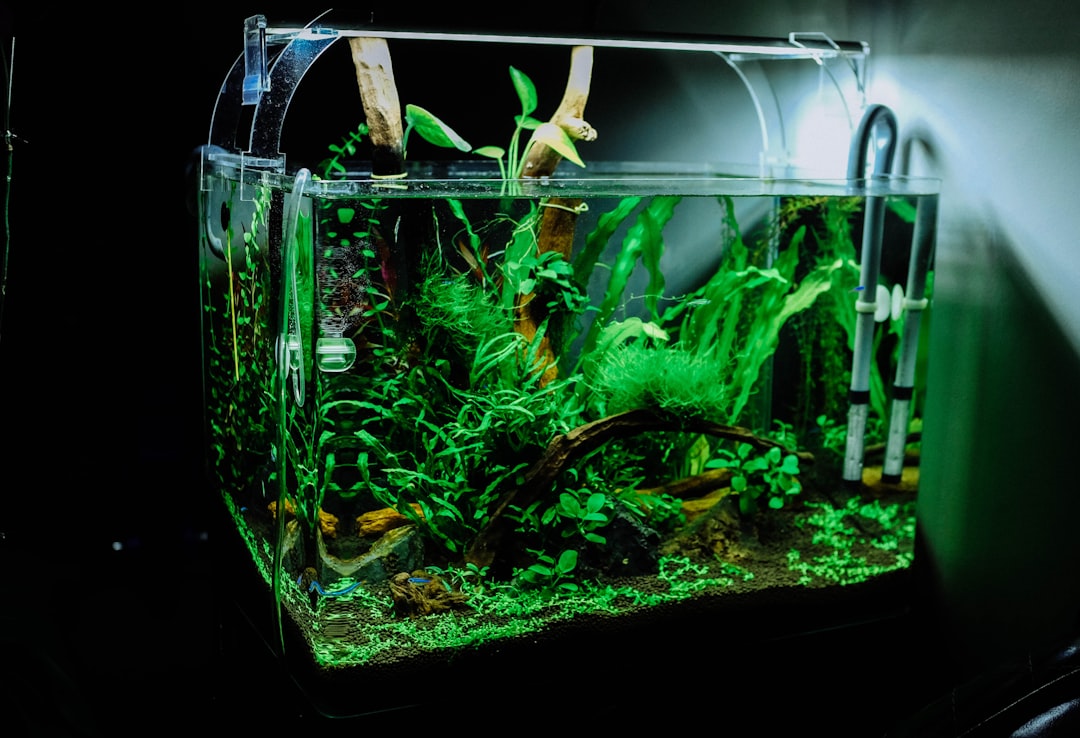
Live plants change everything in a freshwater aquarium. They absorb nitrate, produce oxygen, provide hiding places, out-compete algae, host beneficial bacteria, and — most importantly — turn a fish-in-a-box into an actual aquascape.
The good news: a lot of the “expert-only” plants marketed by aquascaping shops are wildly over-recommended. There are ten robust species that grow well in typical UK tap water, need no CO2, tolerate moderate LED lighting, and cost £3–£8 each. Any beginner can succeed with them.
This is our current pick list. All available on Amazon UK, from Maidenhead Aquatics, or from any decent independent UK aquatic shop.
This article contains affiliate links. If you buy through one of them, FishForever earns a small commission at no cost to you. We only recommend products we’d use ourselves. See our Affiliate Disclosure.
What “beginner plant” actually means
For our purposes: a plant that survives in a standard UK community tank with:
- No CO2 injection (no DIY setup, no pressurised tank)
- Standard LED aquarium light (~1–2 watts per gallon, 6–8 hours per day)
- Typical UK tap water (pH 6.5–8.0, moderate hardness)
- No specialist fertiliser regime (root tabs monthly at most)
Our top picks at a glance
- Best overall for absolute beginners: Java fern — bulletproof, no substrate needed, thrives in low light.
- Best for very hard water: Vallisneria — the “tall grass” background plant.
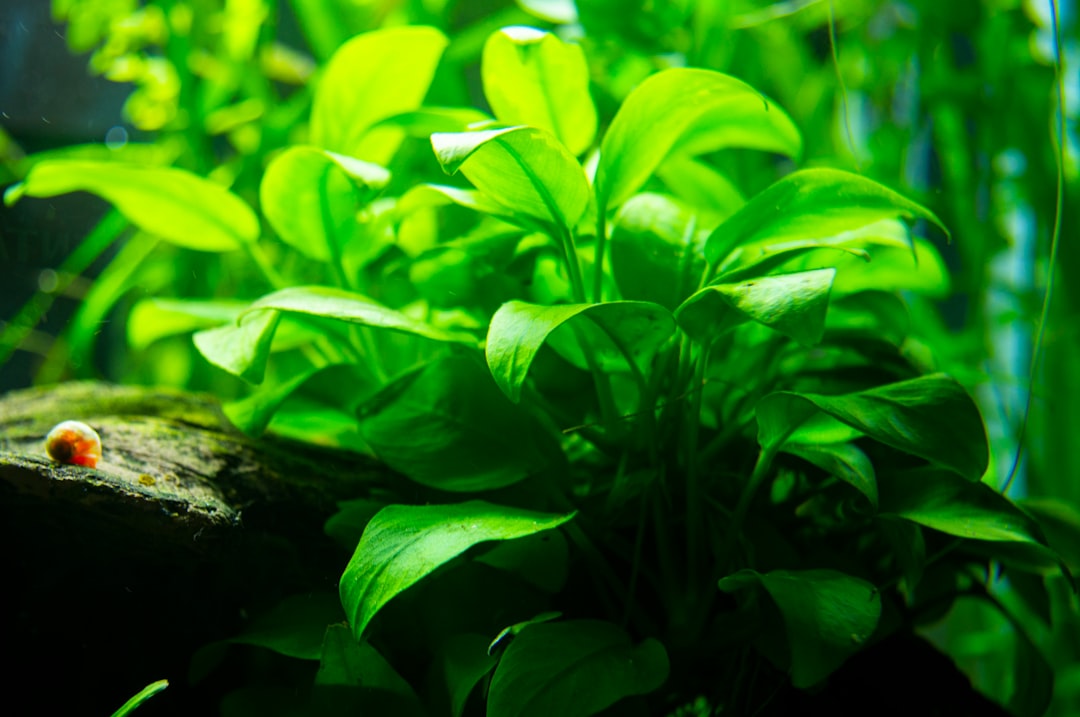
- Best low-light foreground: Anubias nana — attach to wood, wait years.
- Best mid-ground rooted plant: Cryptocoryne wendtii — plant it, forget it.
- Best floating plant: Amazon frogbit — algae’s worst enemy.
- Best moss: Java moss — attaches to anything.
- Best stem plant: Hornwort — grows insanely fast, absorbs nitrate.
Our detailed picks
1. Java fern (Microsorum pteropus)
- Where to buy: Java fern on Amazon UK · £4–£8 for a decent portion
- Light: low to moderate
- Substrate: none — attaches to wood or rock
- Growth rate: slow
The single most beginner-friendly plant sold. Java fern doesn’t root in substrate — you tie or superglue it to wood or rock (aquascape superglue gel is fine once cured). Tolerates any light, any water hardness, any pH from 6.0 to 8.0. Doesn’t need CO2. Fish (including plecs) rarely eat it because it tastes bitter.
Multiple varieties: standard Java fern (broad leaves), needle-leaf (thinner), Windelov (crinkled tips), trident (three-lobed). All grow the same way.
2. Anubias (nana, barteri, coffeefolia)
- Where to buy: Anubias nana on Amazon UK · £5–£12 depending on size
- Light: low (high light gives brown “green spot algae” on leaves)
- Substrate: none — attaches to wood/rock
- Growth rate: very slow (1 leaf per month)
Like Java fern’s beefier cousin. Anubias has thick waxy leaves that are almost indestructible. Bristlenose plecs, tetras, danios all ignore it — the leaves are too tough. The rhizome (the horizontal woody stem) must sit ABOVE the substrate, not buried, or it rots.
Best used as focal-point specimen plants attached to central pieces of wood or rock.
3. Cryptocoryne (wendtii, lucens, parva)
- Where to buy: Cryptocoryne on Amazon UK · £4–£8 per portion
- Light: low to moderate
- Substrate: rooted, prefers nutrient-rich substrate
- Growth rate: slow (once established)
The classic mid-ground rooted plant. Cryptocorynes have a reputation for “melting” — losing all their leaves when moved or when conditions change — then regrowing over a few weeks. Don’t panic when this happens. Once established, they’re bulletproof for years.
Root feeders — benefit from aquarium root tabs inserted near the roots every 2–3 months.
4. Vallisneria (jungle val, corkscrew val, dwarf val)
- Where to buy: Vallisneria on Amazon UK · £4–£8
- Light: moderate
- Substrate: rooted, sand or fine gravel
- Growth rate: fast
Long grass-like leaves that reach the surface and form a rippling underwater lawn. Grows via runners — one plant becomes a dozen within months. Ideal for hard alkaline UK water — struggles in soft acidic water.
The default background plant for a hard-water tank (mollies, guppies, platies, cichlids). See our mollies guide for context on hard-water plant compatibility.
5. Hornwort (Ceratophyllum demersum)
- Where to buy: Hornwort on Amazon UK · £3–£6 per bunch
- Light: moderate to bright
- Substrate: rootless — floats or is loosely anchored
- Growth rate: insanely fast (10 cm per week possible)
The nitrate-eating champion. Hornwort absorbs so much nitrate that a well-populated tank rarely needs a water change more often than fortnightly. It’s a stem plant but doesn’t grow proper roots — just anchor it in the substrate or let it float.
Downside: sheds needles constantly (annoying to net out) and grows so fast you’ll be pruning weekly. Also sensitive to sudden light changes — expect it to shed heavily when first added.
6. Amazon frogbit (Limnobium laevigatum)
- Where to buy: Amazon frogbit on Amazon UK · £5–£10
- Light: any (grows above water surface)
- Substrate: floating, no roots in substrate
- Growth rate: fast in good light
The best floating plant for UK beginners. Round green leaves float on the surface with long trailing roots into the water column. Absorbs nutrients faster than almost anything (roots have direct access to fish-waste nitrogen). Provides shade that stops algae blooms. Betta and gourami adore floating plants for surface-dwelling rest.
Downside: covers the tank surface completely if not thinned. Trim weekly by scooping handfuls out. Blocks light to plants below — thin regularly.
7. Java moss (Taxiphyllum barbieri)
- Where to buy: Java moss on Amazon UK · £4–£8 per portion
- Light: low to bright
- Substrate: attaches to anything (wood, rock, mesh)
- Growth rate: slow to moderate
The default moss for shrimp tanks. Cherry shrimp and amano shrimp graze on the biofilm that grows on it, hide in it, and drop egg-carrying to it. Also serves as spawning substrate for many egg-scattering fish (danios, harlequins). Wrap around wood with fishing line initially; it attaches naturally within weeks.
See our cherry shrimp care guide for shrimp-tank use specifically.
8. Water sprite (Ceratopteris thalictroides)
- Where to buy: Water sprite on Amazon UK · £4–£8
- Light: moderate to bright
- Substrate: flexible — floating or rooted
- Growth rate: fast
Feathery light-green foliage. Can be planted in substrate or left to float. Fast growth = fast nitrate uptake. Multiplies by sending out baby plants from leaf tips (adventitious growth).
Under bright light, floating water sprite forms a dense mat that shades the tank and blocks algae. Very good beginner “utility” plant.
9. Bacopa (Bacopa caroliniana)
- Where to buy: Bacopa on Amazon UK · £4–£6 per bunch
- Light: moderate to bright
- Substrate: rooted
- Growth rate: moderate
A “stem plant” — grows vertically with paired leaves up a central stem. Reaches the surface then continues growing horizontally along the surface. Prunable cuttings root and become new plants — you buy one bunch and end up with an infinite supply.
Good beginner stem plant. Under bright light with a bit of iron ferts, the tops turn coppery-red, adding colour.
10. Aponogeton (Aponogeton crispus)
- Where to buy: Aponogeton crispus bulb on Amazon UK · £3–£6 per bulb
- Light: moderate
- Substrate: rooted (bury bulb partially)
- Growth rate: fast, then dormant
Bulb plant — buy the bulb, plant it half-buried in substrate, and within days you have long crinkled-edge leaves reaching to the surface. Grows for 4–6 months, then goes dormant. Trim off dying leaves; the bulb regrows the following season.
Impressive fast-growing centrepiece plant for beginners who want visible results quickly.
Where to buy in the UK
Independent aquatic shops — best plant quality generally. Ask what’s newly arrived; freshly-imported plants (not shop-tank-adapted for months) transplant more successfully.
Online — reliable UK sources:
- Aquarium Gardens — good aquascaping specialist
- The Green Machine — high-end aquascaping (pricey)
- Aqua Essentials — solid all-rounder
- Amazon UK sellers — mixed quality; look for sellers with “aquarium plant” specialists in their store name
Big-box pet chains — usually the worst plant quality. Plants are often emersed-grown (grown above water) and don’t transition to underwater conditions cleanly. Avoid.
Free plants: offer to buy prunings from local aquarists via Facebook groups or Reddit r/PlantedTank. Trimmings from an established UK tank often transplant better than shop-bought stock.
Essential kit for a first planted tank
- Aquarium root tabs — feed rooted plants every 2–3 months. £8 for a pack that lasts a year.
- All-in-one liquid fertiliser — Seachem Flourish is the standard. Dose weekly per label.
- Aquascape stainless-steel scissors — trims plants without damaging them.
- Aquascape tweezers — plant tiny plants without disturbing the substrate.
- Aquarium LED light bar — most bundled kit lights are barely adequate; a proper LED bar transforms plant growth. Around £30–£60.
- Cyanoacrylate aquascape glue gel — for attaching Anubias/Java fern to wood/rock. Cures aquarium-safe.
What to avoid
- Non-aquatic marsh plants sold as aquarium plants. Common culprits: Peace lilies, aluminium plants, dracaena, mondo grass. They die within weeks underwater. Ask if unsure.
- Very demanding plants without a CO2 setup. Rotala macrandra, Hemianthus callitrichoides, Ludwigia super red — beautiful, but they melt in low-tech tanks.
- Plants with pesticide residue. Especially imported floating plants — always rinse thoroughly before adding to a shrimp tank. See our cherry shrimp guide for shrimp-safe handling.
Bottom line
The beginner plant list: Java fern, Anubias, Cryptocoryne, Vallisneria, Hornwort, Amazon frogbit, Java moss. Buy any three or four to start — the tank looks planted immediately, plants are absorbing nitrate within days, and you’ve built the foundation for a proper aquascape.
Skip the CO2 rabbit hole for the first year. Master these seven species in a low-tech tank first. When you find yourself wanting more, DIY CO2 is a natural next step.
Related: DIY CO2 for planted aquariums, how to plant aquarium plants, Java fern care in detail, how to lower nitrate in a fish tank (plants help enormously).
— Jaqline Smalling, FishForever
Leave a Reply