
If you asked us to recommend one catfish for a UK community tank, the bristlenose would be it. Small enough for a 100-litre setup. Real algae eater, not decorative. Tolerant of typical UK tap water. Breeds readily. And unlike the “common pleco” a lot of shop staff still push, they don’t grow into a 45cm monster that outgrows every tank they’re sold into.
This guide covers what “bristlenose” actually means (there are several species), how to set up for one, the diet that keeps them alive past year two, and how to breed them — which is genuinely easy compared to almost every other fish in the hobby.
This article contains affiliate links. If you buy through one of them, FishForever earns a small commission at no cost to you. We only recommend products we’d use ourselves. See our Affiliate Disclosure.
What you’re buying
“Bristlenose” as a common name covers several species of the genus Ancistrus. The most commonly sold in UK shops:
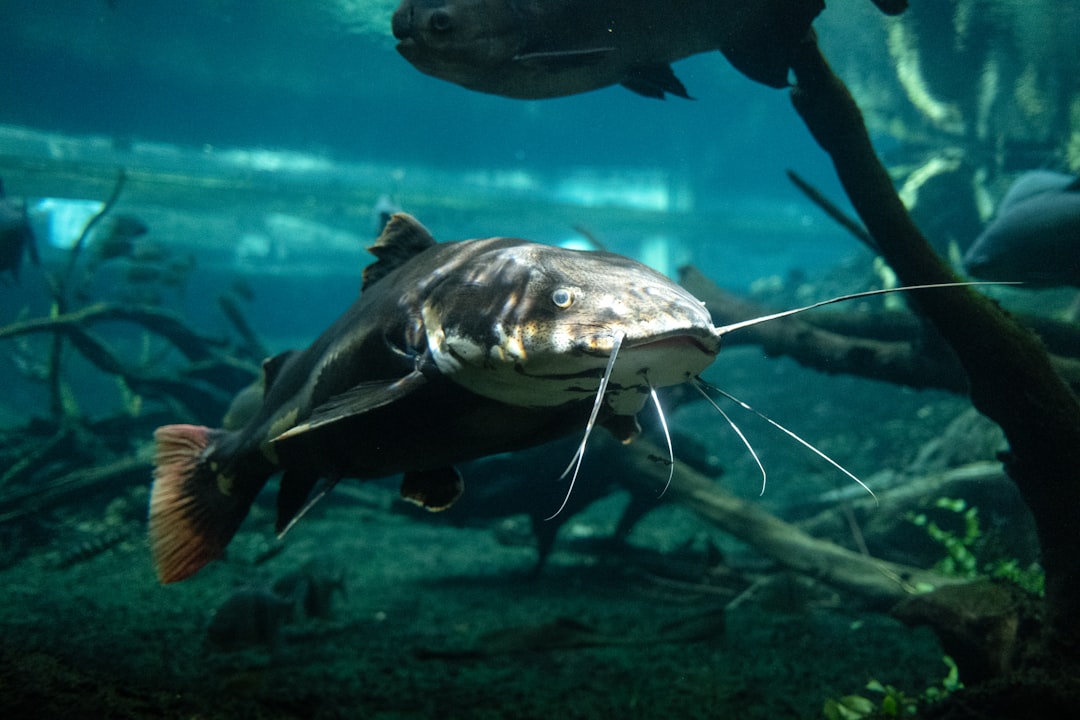
- Common bristlenose (Ancistrus cirrhosus or A. dolichopterus, depending on lineage and shop labelling) — brown or brown-and-yellow-spotted, most common
- Albino bristlenose — pinkish-white variant of the common
- Longfin bristlenose — same species, longer flowing fins
- L-numbers (L144, L183, etc.) — specific wild-collected variants; care is essentially the same
The name comes from the “bristles” — soft fleshy tentacles that males develop across the front of their heads. Females have fewer, shorter bristles, mostly along the jawline. This is the easiest way to sex them from about 6 months of age.
Tank requirements
- Minimum tank size: 100 litres for one adult. Add ~40 litres for each additional bristlenose.
- Adult size: 10–13 cm. Much smaller than a common pleco.
- Temperature: 22–27 °C
- pH: 6.5–7.8
- Water hardness: Soft to medium-hard — tolerant of typical UK tap water in most of the country.
- Lifespan: 8–12 years in a well-maintained tank
Bristlenoses are nocturnal by default. They’ll come out during the day if there’s food or if they’ve been in the tank long enough to feel safe, but expect them to spend daylight hours tucked under wood or in a cave.
Non-negotiable tank features:
- Bogwood or driftwood. Bristlenoses rasp on wood to digest cellulose, which their gut needs. A tank with no wood produces a slowly-starving bristlenose regardless of what else you feed. Mopani, spider wood, or standard bogwood all work.
- A cave. A ceramic breeding cave, a length of PVC pipe, or a coconut shell with a hole cut in it. They need a dark hiding place with one entrance.
- Cover for the filter intake. Not so much for adult safety as for fry, if they end up breeding.
Feeding
The single biggest killer of UK bristlenoses is starvation. Shop staff tell people they “eat algae” and beginners assume that means the tank feeds itself. In an average tank, algae growth doesn’t come close to feeding an adult bristlenose. You must supplement.
Daily / every-other-day:
- Algae wafers (Hikari Algae Wafers, King British Catfish Pellets, Tetra Pleco Wafers)
- Blanched vegetables — courgette (best), cucumber, spinach, kale, pea. Drop in overnight; remove the next morning before it fouls the water.
Twice weekly:
- Sinking protein — bloodworm, prawn pellets, sinking carnivore pellets. Bristlenoses are algae eaters primarily but need some animal protein for reproduction and general health.
Always available:
- Wood to rasp on
- Real algae — don’t scrape every square inch of the tank glass. Leave the back and one side wall as a food source.
Drop food after lights out. That’s when they eat. If you drop it during the day the smaller tank fish clean it up before the bristlenose smells it.
Community-tank behaviour
Bristlenoses are peaceful with almost everything. Compatible tank mates:
- Tetras (all common species)
- Rasboras
- Barbs (peaceful species — cherry, gold, checkered)
- Livebearers — guppies, mollies, platies
- Corydoras (they’ll share the bottom happily)
- Small gouramis
- Angelfish (adult, in a big enough tank)
- Ram cichlids, apistogramma (bristlenose ignores small cichlids)
- Kuhli loaches
Not compatible:
- Larger aggressive cichlids (oscars, jaguars, larger central Americans) — they’ll harass the bristlenose to death
- Other bristlenoses of the same sex in a small tank — males fight over caves. A pair is fine; two males in one small tank isn’t.
Ghost shrimp and small snails coexist fine with bristlenoses — they don’t hunt them.
Breeding — genuinely easy
Bristlenoses are among the easiest egg-layers to breed in the hobby. Provided you have a male and a female, a cave, and clean water, they will do it themselves, usually without you noticing until you see fry.
The process:
- Sex. Male has visible tentacles on the head from about 4 months. Female is plain or has bristles only along the mouth line.
- Cave. The male picks a cave and defends it. Ceramic pleco caves are ideal; PVC pipe cut to about 12 cm length with one end sealed also works well.
- Condition. Feed heavier on protein for a couple of weeks. Water changes 25% twice weekly with slightly cooler water — this mimics rainy-season triggers.
- Spawning. The female enters the cave and lays a cluster of orange eggs on the roof. The male stays in the cave fanning them for 4–5 days. During this period he won’t eat and will attack anything that comes near.
- Hatch. Fry emerge with visible yolk sacs and hang on the cave walls for another 4–5 days. They’re vulnerable but the male still guards them.
- Free-swimming. Fry leave the cave and start feeding. This is when you either move them to a grow-out tank or accept losses to tank mates.
Fry food: Crushed algae wafers, blanched courgette (skin-on so they can rasp it), commercial fry food (Hikari First Bites), micro-worms. They grow to sale size (3–4 cm) in about 3 months.
At sale size, most UK aquatic shops will take healthy fry for shop credit or a small amount of cash. Phone ahead. Common bristlenose typically fetch 50p–£1 each; albinos and longfins £1.50–£3.
Common problems
Losing weight, hollow belly. Under-fed. Increase vegetable and wafer feeding. Ensure they can access food without being pushed off by other fish.
Not eating, hiding constantly. New tank stress (give it 3 weeks), water quality issue (test), or bullying by tank mate (observe at night with a torch).
Head tentacles disappearing / growing back short. Poor water quality or aggression damage. Usually reversible with clean water and time.
White fuzzy patches. Fungal infection, usually from an injury. Treat with a proprietary UK anti-fungal (NT Labs Anti-Fungus, Waterlife Myxazin). Bristlenoses tolerate treatment at full dose.
The one to avoid
If a UK shop offers you a “common pleco” or “sailfin pleco” for a community tank, walk away. Those are Pterygoplichthys species that grow to 40–60 cm and outgrow every home tank they’re ever sold into. They end up dumped in ponds (illegal in the UK), rehomed via pet forums (usually unsuccessfully), or dying slowly in undersized tanks. Common plecos are one of the biggest welfare problems in the UK aquarium trade.
Bristlenoses do the same job in a fraction of the size. Buy bristlenoses.
Products mentioned in this article
Amazon UK links. Prices and stock change; we recommend checking a couple of independent UK aquatic shops for comparison before buying.
If you’re setting up for a bristlenose from scratch, cycle the tank properly first. Interested in what else works well in a community tank? Our UK beginner stocking guide covers it.
— Jaqline Smalling, FishForever
Leave a Reply