
Testing water is the difference between a healthy aquarium and a lucky one. Most beginner mistakes trace to unmeasured problems — ammonia spikes that killed fish, nitrite crashes that stressed everyone, pH drift that suppressed breeding. A £25 test kit prevents most of them.
This guide covers the aquarium test kits actually available in the UK in 2026 — liquid drops, test strips, and digital meters — and which is worth buying for what.
This article contains affiliate links. If you buy through one of them, FishForever earns a small commission at no cost to you. We only recommend products we’d use ourselves. See our Affiliate Disclosure.
- Liquid test kits are far more accurate than strips, especially for ammonia — the API Freshwater Master Test Kit is the community standard.
- Test ammonia, nitrite, nitrate and pH weekly; daily while cycling.
- Shake the nitrate reagent (bottle 2) vigorously for 30 seconds or you get false-low readings.
- One API master kit lasts about 3 years of weekly testing.
Our top picks at a glance
- Best overall: API Freshwater Master Test Kit — the community standard. Ammonia, nitrite, nitrate, pH. £25.
- Best premium (planted tanks): Salifert master test kit — pro-grade precision. £40–£80.
- Best strips (fast checks): Tetra 6-in-1 Test Strips — quick weekly checks. Backup only. £10.
- Best digital pH meter: Digital pH meter for aquarium — precise pH readings. £15–£35.
- Best TDS meter: Aquarium TDS meter — measures total dissolved solids (shrimp keepers). £10–£20.
- Best marine: Salifert marine test kits — reef standard.
The three test kit types
Liquid tests (most accurate)
Reagent chemistry — add drops to a water sample, wait, compare colour to chart. Slower (5 minutes per parameter) but accurate to ±0.5 ppm for most parameters.
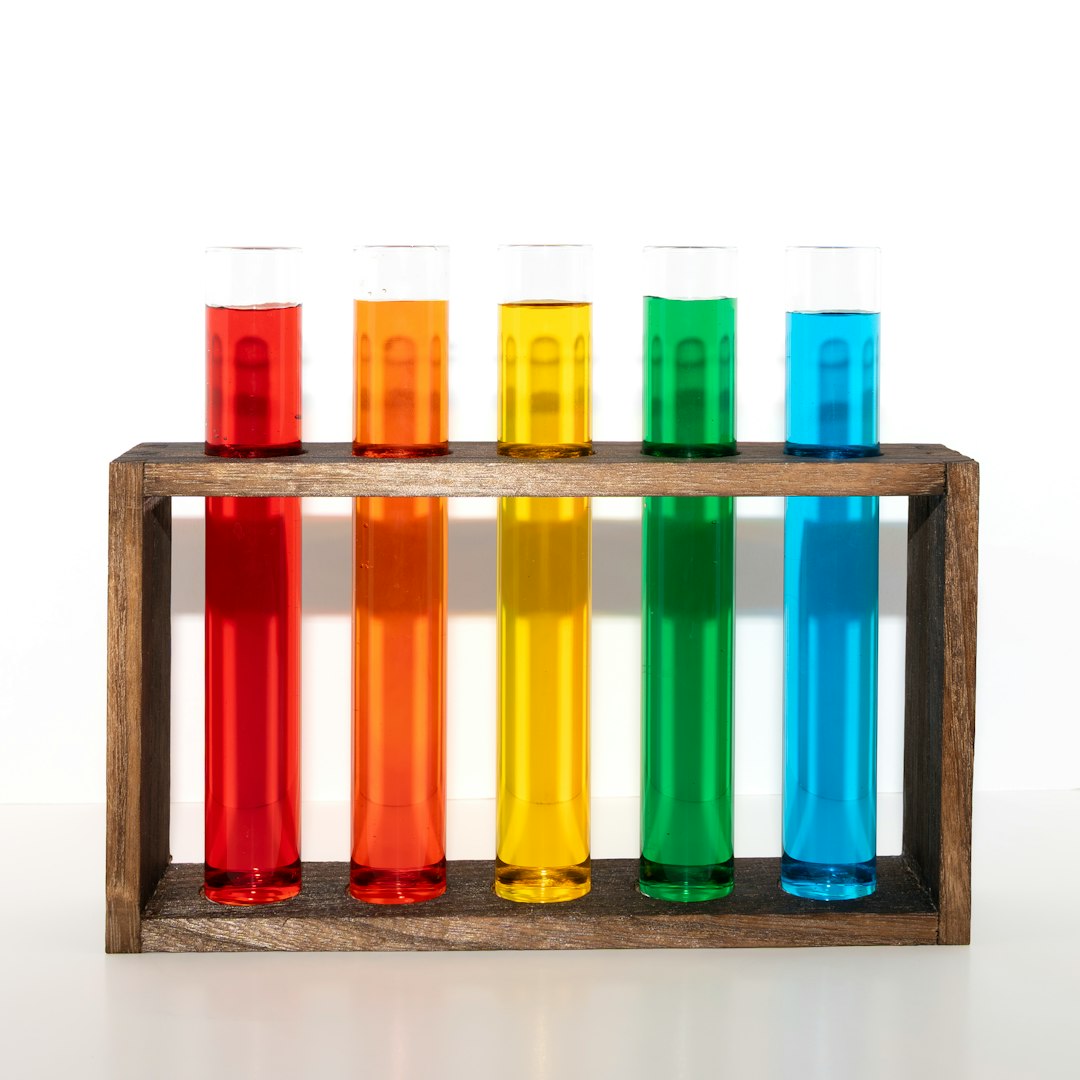
Pros: accurate, well-calibrated, results stay visible for photographic reference.
Cons: takes 5–10 minutes; test tubes need washing; expiry date (2–3 years).
Recommended: API Master Test Kit, JBL Test Combi, Salifert.
Test strips (fast but imprecise)
Dip a paper strip in water; compare colour blocks to a chart. 30 seconds per test.
Pros: fast, cheap, portable.
Cons: notoriously inaccurate — especially for ammonia (often shows 0 when there’s a spike). Chart interpretation is subjective. Nitrate readings often 10–30 ppm off from actual value.
Verdict: OK as a supplementary weekly quick-check. NOT reliable for cycling or emergency diagnosis. Beginners should NOT rely on strips alone.
Digital meters (precise, specialised)
Electronic probe reads a specific parameter (pH, TDS, salinity).
Pros: very precise, fast, no chemistry required.
Cons: expensive per parameter, require calibration and probe maintenance.
Recommended for: pH (especially planted tanks), TDS (shrimp tanks), salinity (marine).
What to test — the essential parameters
For every UK freshwater aquarium:
- Ammonia (NH3) — target 0. Anything above 0 is emergency.
- Nitrite (NO2) — target 0. Anything above 0 is emergency.
- Nitrate (NO3) — target under 40 ppm.
- pH — target stable (specific value depends on species).
Advanced/planted tanks add:
- GH (general hardness) — for shrimp, plants
- KH (carbonate hardness) — for pH stability
- Phosphate — for algae/plant management
Marine tanks add:
- Salinity (via refractometer)
- Calcium, alkalinity, magnesium — reef-specific
- Copper — sensitive fish/coral tanks
Detailed picks
Best overall — API Freshwater Master Test Kit
- Where: API Freshwater Master Test Kit
- Tests: Ammonia, Nitrite, Nitrate, High-Range pH, Low-Range pH
- Price: £22–£30
The community standard for good reason. Reagents are accurate, colour charts are readable, test tubes are decent quality, and the kit lasts approximately 800 individual tests (roughly 3 years of weekly testing).
One critical technique tip: the nitrate test (Bottle #2) requires vigorous shaking — 30 seconds for the bottle, another 60 seconds for the sample tube. Insufficient shaking is the #1 cause of false-low nitrate readings.
Kit refills sold separately for the same price as the master kit but with individual reagent replacements — buy the master kit; don’t try to save by buying refills.
Best premium — Salifert master test kit
- Where: Salifert freshwater master kit
- Tests: Ammonia, Nitrite, Nitrate, pH, plus individual kits for KH, GH, phosphate, calcium
- Price: £40–£80 for master kit; individual parameter kits £8–£15 each
More precise reagents. Colour differentiation between values (10 vs 20 ppm nitrate, for example) is more visible. Slightly more sensitive to low values (0.05 ppm ammonia detected vs 0.25 ppm with API).
Premium choice for aquascape competition tanks, discus keepers, marine setups. Overkill for community tanks.
Best strips — Tetra 6-in-1
- Where: Tetra 6-in-1 Test Strips
- Tests: pH, KH, GH, Nitrite, Nitrate, Chlorine
- Price: £8–£12 for 25 strips
Fast weekly-check tool. Absolute reliability is limited but for a quick “is anything obviously wrong?” reading, they work.
Use as backup, not primary. Cross-check with a liquid kit if any parameter reads unusually.
Best digital pH meter
- Where: Digital pH meter or Milwaukee pH meter
- Price: £15–£40
Instant precise pH reading. Requires occasional calibration with pH calibration solution (4.0 and 7.0 buffers).
Useful for aquarists managing precise pH — discus keepers, cherry shrimp breeders, soft-water species tanks. Not essential for standard community tanks.
Best TDS meter
- Where: Aquarium TDS meter
- Price: £10–£20
Measures total dissolved solids in water — indicates overall mineral content. Essential for shrimp keepers (target 200–400 ppm for cherry shrimp; different for other species). Useful for tap water evaluation.
Best marine — Salifert marine kits
- Where: Salifert marine test kit
- Price: £40–£100 depending on parameters
Reef standard. Salifert marine kits are precise enough to catch calcium and alkalinity drift before corals suffer.
See our marine tank setup guide.
Testing frequency
Cycling a new tank (weeks 1–8): daily, using API Master Test Kit. Everything.
Established tank (weekly):
- Ammonia
- Nitrite
- Nitrate
- pH
Established tank (monthly):
- GH/KH (if shrimp keeping, or plant-relevant)
- Phosphate (if algae issues)
During emergencies: as often as required until stable.
Never trust a single test. If a reading looks unusual, retest — sometimes technique errors give bad readings. See our how to save a dying fish guide for emergency response.
Reading your results — the important benchmarks
| Parameter | Target | Warning | Emergency |
|---|---|---|---|
| Ammonia | 0 ppm | Any reading | Above 0.25 ppm |
| Nitrite | 0 ppm | Any reading | Above 0.25 ppm |
| Nitrate | Under 40 ppm | 40–80 ppm | Above 80 ppm |
| pH (community) | Stable, 6.5–8.0 | Sudden change | Change >1 unit |
| GH | 4–15 dGH | — | Below 3 or above 20 |
| KH | 3–8 | — | Below 2 or above 15 |
Above the “warning” level means water change and investigation. Above “emergency” means immediate 50% water change and diagnostic testing.
Common testing mistakes
- Not shaking the nitrate bottle enough. See technique tip above.
- Testing hot from the tap — the temperature affects readings. Wait for the sample to reach room temperature.
- Testing straight after adding water conditioner — some conditioners (Prime) temporarily mask ammonia readings. Wait 15 minutes.
- Comparing colour under wrong light — natural daylight is best; halogen lighting distorts colour differentiation.
- Using expired reagents — check the date on API Master Kit bottles. Expired ammonia reagent shows false-low readings.
What to avoid
- Very cheap digital meters under £10 — inaccurate calibration.
- Test strips as sole testing method — see above.
- Skipping tests during cycling — how do you know when you’re done?
- Testing when the tank is stressed — freshly-cleaned tank, big water change, etc. — wait 24 hours for readings to stabilise.
Bottom line
For virtually every UK freshwater aquarist: API Freshwater Master Test Kit. £25 up front, lasts 3 years, tests everything you need for standard community stocking.
Add a digital pH meter or TDS meter only if specific species require precise readings.
Never skip weekly testing. It’s the difference between preventing problems and reacting to them.
Frequently asked questions
What is the best aquarium test kit?
The API Freshwater Master Test Kit is the standard choice — accurate liquid tests for ammonia, nitrite, nitrate and pH that last around three years of weekly use.
Are aquarium test strips accurate?
Not very. Strips are convenient but notoriously imprecise, especially for ammonia. Use a liquid kit for cycling and emergencies, keeping strips only for quick weekly checks.
What should I test my aquarium water for?
At minimum: ammonia, nitrite, nitrate and pH. Planted and shrimp tanks should also test GH and KH; marine tanks add salinity, calcium and alkalinity.
Related: how to cycle a fish tank, how to lower nitrate in fish tank, why is my fish tank cloudy, how to save a dying fish.
— Jaqline Smalling, FishForever
Leave a Reply