
Marine aquariums intimidate freshwater keepers, and reasonably so. The equipment costs more, the water chemistry is fussier, and the fish are typically more delicate. But the modern reality is: with the right kit list and the discipline to cycle properly, a small marine tank is manageable for a competent UK freshwater keeper.
This guide covers the honest UK-focused version. It’s a beginner’s guide — you’ll want a full-on reef manual if you want SPS corals and clams — but by the end you’ll have a stocked marine fish-only-with-live-rock (FOWLR) tank that keeps ocellaris clownfish and a few soft corals happily.
This article contains affiliate links. If you buy through one of them, FishForever earns a small commission at no cost to you. We only recommend products we’d use ourselves. See our Affiliate Disclosure.
Freshwater vs marine — the honest difference
The three things that make marine harder:
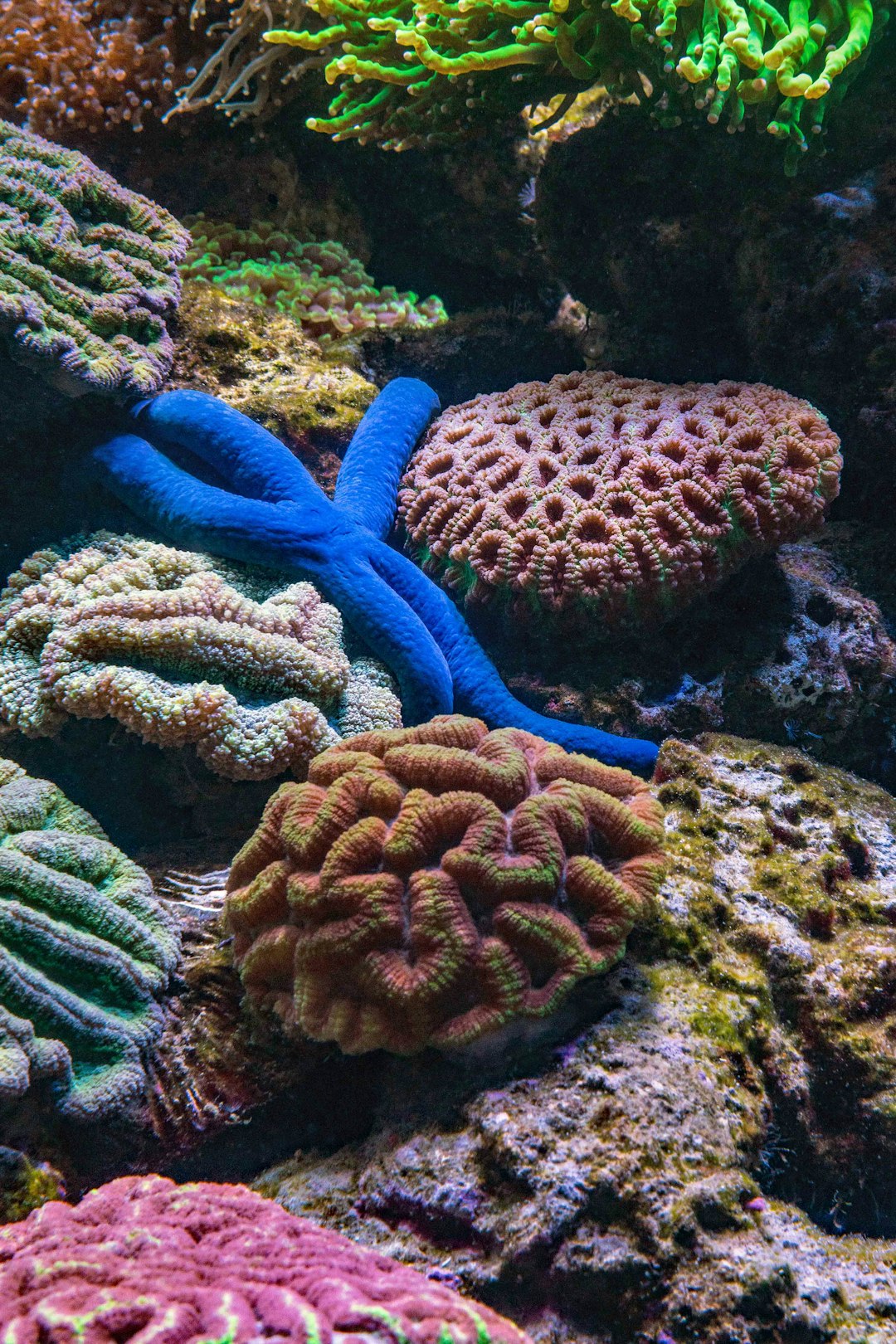
- Salinity management. You mix salt into water to specific parameters (1.025 SG, 35 ppt salinity) and maintain them long-term.
- Cost. A basic marine setup is £400–£800; a decent freshwater community is £150–£300.
- Fish price. Ocellaris clownfish £15–£25 each. Freshwater community fish are £2–£8.
The three things that make marine easier once set up:
- Live rock biology does most of the biological filtration passively.
- Marine fish tend to have longer lifespans than most freshwater community fish.
- Weekly maintenance is often simpler — top-up water for evaporation, occasional water changes.
What you’re aiming to build
FOWLR (Fish Only With Live Rock) — the standard beginner marine setup:
- 100L+ marine tank
- 15kg of live rock as base
- 2–4 hardy marine fish (clownfish, damselfish, small wrasses)
- Maybe a few easy soft corals (mushrooms, zoas, Kenya tree) later
- Cleanup crew (snails, hermit crabs)
Skip the SPS corals, anemones, angelfish, and clams for now. Those are Reef Aquarist Year 3+.
The kit list — UK 2026
Tank + stand: Fluval Sea EVO 52L or a Red Sea Reefer 170 for the serious. £150–£800.
Skimmer (optional for 60L; essential for 100L+): Tunze DOC Skimmer or Bubble Magus Curve. £100–£200.
Filter: external canister or built-in sump. Similar to freshwater — Fluval 307 works. £110–£130.
Heater: Fluval E200 or two smaller for redundancy. £40–£60. See our best aquarium heater UK guide.
LED lighting: AI Prime 16HD for corals; a basic marine LED bar for FOWLR only. £70–£300.
Powerhead (for water circulation): Aquael Circulator or Sicce Voyager Nano. £25–£60.
Marine salt mix: Red Sea Coral Pro Salt or Instant Ocean Reef Crystals — 25kg bucket lasts 6+ months. £45–£70.
Refractometer (measures salinity): aquarium refractometer. Non-negotiable. £15–£25.
Test kits: Salifert master test kit or Red Sea Reef Foundation Test Kit. £40–£80.
Live rock: the biological heart of the tank. 1kg per 4L of tank volume. Marine specialists sell it £10–£15/kg cured, £6–£10/kg uncured.
RO water: essential. Tap water in the UK has nitrate, silicate, and copper that damages marine life over time. RO/DI unit £100–£200 one-time, or buy RO water from marine aquatic shops at 30–50p/L.
Total starter budget: £600–£1,000 for a 60L marine setup done properly. Corners cut = fish die.
Step-by-step setup
Step 1 — Location, level, and RO water
Same as freshwater — level surface, away from windows, near power sockets, not near heat sources. Test the floor can carry 200kg for a 100L marine setup (water + rock).
Fill your RO unit or buy 100L of RO water. Do not use tap water.
Step 2 — Mix saltwater
Mix marine salt in a dedicated bucket. Standard ratio: ~35g salt per litre of RO water for 1.025 specific gravity.
Add heater + powerhead to the mixing bucket. Let it circulate for 24 hours to fully dissolve salt and reach temperature.
Test with refractometer before adding to tank. Adjust — add more salt if too low, add more RO if too high.
Step 3 — Fill tank + add live rock
Fill tank with mixed saltwater. Add live rock. Arrange in aquascape — leave gaps for water flow, create caves and shelves.
Turn on heater (set to 26°C), powerhead, and filter. Let it circulate.
Step 4 — Cycle the tank (4–6 weeks)
Live rock brings its own bacteria — but any die-off during transport releases ammonia. The tank will go through a cycle just like freshwater.
- Test ammonia, nitrite, nitrate weekly with your marine test kit
- Watch ammonia spike (weeks 1–2), then nitrite spike (weeks 2–4), then nitrate rise
- Cycled when ammonia = 0, nitrite = 0, nitrate rising slowly
Full cycling logic same as freshwater — see our UK cycling guide for the underlying process.
Do not add fish until fully cycled. Marine fish are less forgiving of ammonia than freshwater community fish.
Step 5 — Add cleanup crew first
Once cycled, add small numbers of hardy invertebrates:
- Turbo snails — eat algae
- Hermit crabs (blue-legged) — eat detritus
- Cerith snails — burrow through sand
15–20 mixed cleanup crew for a 100L tank.
Step 6 — Add first fish
After cleanup crew is stable (2+ weeks), add first fish:
- Ocellaris clownfish (2 fish, sold as a pair) — the classic beginner marine fish. Hardy, well-suited to captive-bred specimens.
- Chromis viridis (small group of 5) — peaceful damsel, cheap
- Firefish goby — peaceful, entertaining, single
- Cardinalfish — peaceful, easy to keep
Add slowly. One species at a time, 2-week gaps between additions.
Ongoing maintenance
- Daily: top up with RO water for evaporation (salt doesn’t evaporate)
- Weekly: test salinity, ammonia, nitrite, nitrate. Adjust as needed.
- Fortnightly: 10–20% water change with freshly-mixed saltwater
- Monthly: clean skimmer, rinse mechanical filter media in old tank water
What to avoid
- Cheap unbranded salt mixes — precipitates, unreliable trace elements
- Tap water — nitrate + silicate + copper contamination
- Fluctuating salinity — the single biggest killer of marine fish
- Adding fish before cycling — 90%+ die within weeks
- Buying wild-caught over captive-bred — captive-bred adjust to home tanks much better
The bigger picture
FOWLR marine tanks are a natural progression for a competent UK freshwater aquarist with 12+ months experience. Reef tanks (with SPS corals, anemones, sensitive species) are another 12+ months of learning on top.
Start with FOWLR. Get it right for 6 months. Add easy soft corals (mushrooms, zoas). See how you like it. Then decide whether to go deeper into the reef hobby.
Related: how to cycle a fish tank, how to set up a fish tank, best aquarium heater UK.
— Jaqline Smalling, FishForever
Leave a Reply