
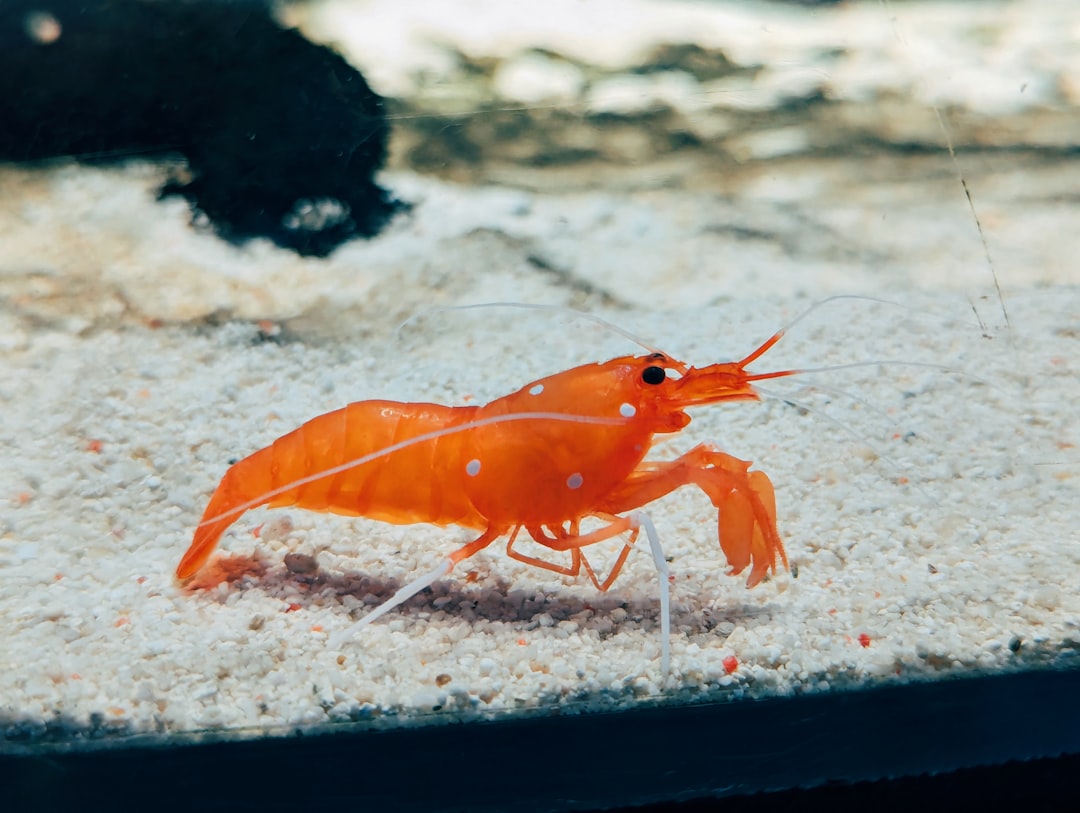
Cherry shrimp are the easiest invertebrate to breed in the freshwater hobby. The whole cycle happens in front of you: a female develops a saddle of eggs, then a berry of eggs under her tail, then hatches into fully-formed miniature shrimp that survive in the same water as the adults.
Which means: unlike almost any fish breeding project, cherry shrimp don’t need a separate breeding tank, don’t need conditioning food regimens, don’t need hormone injections. What they need is a stable water environment, adequate food, and a bit of time. That’s it.
If you’ve read our cherry shrimp care guide, the difference between “keeping shrimp alive” and “building a self-sustaining colony that pays for itself” is small and covered here.
This article contains affiliate links. If you buy through one of them, FishForever earns a small commission at no cost to you. We only recommend products we’d use ourselves. See our Affiliate Disclosure.
Preconditions for successful breeding
Cherry shrimp will not breed under any of these conditions:
- Fluctuating water parameters (pH swings, temperature swings, hardness changes)
- High organic waste / high nitrate (>30 ppm)
- Predators in the tank (adults might breed but shrimplets get eaten immediately)
- Insufficient calcium/hardness (soft water = failed moults = no breeding)
- Overfeeding (excess protein suppresses breeding)
- Immature tank (biofilm hasn’t developed; shrimplets can’t feed themselves)
Get these five things right and the colony grows exponentially without further intervention.
Setting up the tank
Tank size
- Minimum: 25 litres for a starter colony of 10–15 shrimp
- Recommended: 40–60 litres for a genuinely productive colony
- Larger is easier — water parameters swing slower in bigger volumes
Nano tanks work but require more frequent monitoring. If space isn’t tight, go 40L+.
Filtration
Only one right answer for a breeding shrimp tank: sponge filter with air pump.
- Zero risk of shrimplets being sucked up
- Provides massive biofilm surface for grazing
- No impeller to injure moulting adults
- Cheap (£15 total for filter + pump)
If you must use an internal or canister filter, cover the intake with a pre-filter sponge or fine mesh guard. Do NOT skip this — shrimplets are 1mm at birth and disappear into any unprotected intake.
Substrate
Fine gravel or inert sand. Do NOT use active planted-tank substrates (ADA Amazonia, Fluval Stratum) for a shrimp breeding tank — they release ammonia during the first weeks and drop pH into ranges that stress adult shrimp and kill shrimplets.
If you want an aesthetic dark substrate, aquarium black sand or plain black gravel works. The dark substrate also makes red cherry shrimp look more vivid — worth doing for visual reasons alone.
Plants — the shrimplet nursery
Non-negotiable for breeding:
- Java moss — massive surface area, catches shrimplets from birth, hosts biofilm they graze on
- Amazon frogbit — floating plant; roots dangle for shrimplets to hide in
- Anubias or Java fern — hardy, low-maintenance, provide surfaces
The tank should be densely planted — 60%+ plant coverage. Sparse tanks produce failed colonies.
Wood and leaves — biofilm generators
- Cholla wood — the classic. Porous structure grows enormous quantities of biofilm.
- Indian almond leaves (catappa) — release beneficial tannins, mildly buffer pH, host biofilm as they decompose.
Add one large catappa leaf per 20L, replace monthly.
Water chemistry for breeding
Cherry shrimp breed at the widest range of parameters of any freshwater invertebrate — but they breed BEST in stable, moderately-hard, slightly alkaline water.
Target parameters:
- pH: 7.0–7.8, stable
- GH (general hardness): 6–15 dGH (calcium for shells)
- KH (carbonate hardness): 3–8
- Temperature: 20–24°C — cooler than most tropical setups; slower metabolism = longer shrimplet development but higher survival
- TDS: 200–400 ppm (measure with a cheap TDS meter)
- Ammonia / Nitrite: 0 (always)
- Nitrate: under 20 ppm
For soft-water UK areas (Scotland, Wales, parts of Southwest): add Salty Shrimp GH/KH+ to raise hardness. This is essential — without it, shrimplets have deformed shells and colonies collapse within months.
For hard-water UK areas (London, Home Counties, Yorkshire): your tap water is already ideal.
Mineral supplementation
Cherry shrimp need calcium for shell formation. In addition to hardness minerals, add:
- Bacter AE — powder that feeds biofilm and provides amino acids. Pinch weekly.
- Shirakura Mineral Powder or generic shrimp mineral — dose per label monthly.
Weekly 20% water changes with re-mineralised water maintain stability.
Sexing cherry shrimp
By 2–3 months old, sex differences are visible:
- Female: larger, deeper body, visible saddle (yellow/orange patch) behind the head — that’s her ovaries. When she’s berried (carrying eggs), you see the eggs directly under her tail.
- Male: slimmer, straighter body, no saddle. Adult males are around 60% the size of adult females.
Buy a starter group of 10–15 with a mix of sexes. Retail cherry shrimp are typically 50/50 sex ratio (you can’t request specific sex).
Feeding for reproduction
Counterintuitive but critical: underfeeding cherry shrimp promotes breeding better than overfeeding.
Overfed shrimp become sedentary and lazy. Lightly fed shrimp graze constantly on biofilm and breed prolifically.
Weekly feeding schedule:
- Days 1, 4: Bacter AE pinch (fuels biofilm)
- Days 2, 5: Hikari Shrimp Cuisine — 1 pellet per 8–10 shrimp
- Day 3: blanched vegetable (courgette, spinach, kale) — small piece, remove after 6 hours
- Days 6, 7: fasting
Never feed daily. Never leave uneaten food overnight.
The breeding cycle
Once a colony is established (typically within 2–3 months of setting up), breeding is continuous.
1. Saddle (10–14 days)
Females mature and develop a saddle — yellow, green, or orange colouring visible on the top of the shell behind the head. This is her ovaries developing eggs. Any healthy adult female shows a saddle within weeks.
2. Moulting and mating
When ready, the female moults. Immediately after moulting she releases pheromones and males chase her around the tank until one successfully mates. Fertilisation happens externally.
3. Berried
Within 12–24 hours of mating, the female moves her eggs from the saddle to her tail (the swimmerets underneath) and fans them constantly to keep them oxygenated. This is called being berried.
Berried females carry 20–30 eggs. Larger females can carry 40+.
4. Incubation (3–4 weeks at 22°C)
The female fans the eggs continuously for 3–4 weeks. Egg colour lightens toward hatch time — eyes visible on developing shrimplets in the last few days.
5. Hatch
Shrimplets emerge fully-formed. 1mm at birth, translucent, immediately mobile. They shoot for cover in the moss or plants.
6. Growth
- Week 1–2: shrimplets stay hidden, graze on biofilm
- Week 3–4: visible in the open, still tiny (~4mm)
- Month 2–3: clearly cherry-coloured, adult-shaped (~1cm)
- Month 3–5: sexually mature, saddles appear on females
Females can be berried within a week of releasing the previous batch. A single female produces 8–10 batches over her lifetime.
Colony growth expectations
Realistic UK colony trajectory starting with 15 mixed-sex shrimp:
- Month 1: first berried females
- Month 2: first shrimplets visible
- Month 4: 30–50 shrimp total
- Month 6: 80–150 shrimp
- Month 12: 200–500 shrimp (if tank is big enough to sustain)
Once colony reaches ~100 shrimp in a 40L tank, you’ll want to rehome some. UK aquatic shops accept healthy cherry shrimp for store credit (typically 30–80p each; painted fire red £2+ each).
Culling for colour
Cherry shrimp breed true only if you cull for colour. Left uncontrolled, colonies drift toward the wild-type brown within 4–6 generations.
Cull approach:
- Every 2 months, inspect the colony.
- Identify weakly-coloured individuals — patchy, brown, transparent.
- Rehome them to a big-box shop or a fish-eating tank (some fish keepers use dull-coloured neocaridina as feeders — ethically debatable but practised).
- Keep only vividly-coloured shrimp for breeding.
Do NOT mix colour strains (red + blue = muddy brown offspring within one generation).
Common breeding problems
Berried females losing eggs
Usually stress — water parameter swing, temperature swing, disturbed too much. Fewer water changes, less handling, more hiding places.
Shrimplets never appear despite berried females
Fry are being predated. Check for hidden fish (a small tetra or fry-eater you forgot about). Add more moss and floating plants.
Colony crashes after months of success
Overcrowding stress + accumulated nitrate. Rehome half the colony, do larger water changes.
Only males, no females (or vice versa)
Random chance in a small starting group. Buy another 5–10 shrimp from a different source to increase genetic diversity and get both sexes.
White ring of death (failed moulting)
Calcium/mineral deficiency. Increase hardness, add mineral supplement, provide catappa leaves.
Species-only tank vs community
Best for breeding: species-only tank. No fish predation, maximum shrimplet survival.
Community tanks: cherry shrimp will breed but 80–95% of shrimplets get eaten. The colony survives (adults are safe from most community fish) but doesn’t grow. This is fine if you don’t want a growing colony.
Fish that are shrimp-safe (adults survive, shrimplets predated but colony persists):
- Otocinclus catfish
- Small rasboras (chili, kubotai)
- Corydoras (small species)
- Nerite and mystery snails
Fish that are shrimp-fatal (even adults picked off):
- Any cichlid
- Angelfish
- Bettas (individual temperament varies — see our betta guide)
- Larger tetras and barbs
- Loaches larger than kuhli
Bottom line
For a UK aquarist wanting a self-sustaining invertebrate colony that pays for itself: cherry shrimp in a 40L species-only tank with sponge filter, Java moss, cholla wood, and Indian almond leaves. Buy 15 starter shrimp; feed lightly; leave alone. Six months later, you have a hundred shrimp and shop credit for life.
Cherry shrimp are the “starter drug” of aquascape breeding. Once you succeed with them, crystal shrimp, tigers, and Taiwan bees are the natural next step.
Related: Cherry shrimp care (base care guide), Ghost shrimp care (why cherries are better), Best aquarium plants for UK beginners (plant your shrimp tank properly).
— Jaqline Smalling, FishForever
Leave a Reply