
Buying kit separately (tank + filter + heater + light + lid) works out cheaper long-term but requires research and matching. A starter kit bundles compatible equipment for a one-purchase setup. Excellent for beginners who want to be up-and-running fast.
This guide covers the best UK-available aquarium starter kits in 2026, honestly rated for what’s included, what’s actually good, and what you’ll want to add or upgrade later.
This article contains affiliate links. If you buy through one of them, FishForever earns a small commission at no cost to you. We only recommend products we’d use ourselves. See our Affiliate Disclosure.
- Starter kits bundle compatible tank, filter, heater and light — best for beginners wanting a fast setup.
- Best UK value picks: Fluval Flex 57L, Interpet Fish Pod 48L (budget), and Juwel Primo 110 (mid-range).
- Budget an extra £50–£100 on top of any kit for a test kit, dechlorinator, substrate and plants, which are never included.
- Avoid £40 unbranded 'complete' kits — the heaters and filters are unreliable.
Our top picks at a glance
- Best overall value (60L community): Fluval Flex 57L — curved-front nano tank with decent kit. £180–£230.
- Best under £100 for beginners: Interpet Fish Pod 48L — no-frills but reliable. £90–£110.
- Best mid-range (90–120L): Juwel Primo 110 — quality tank + basic kit. £180–£220.
- Best premium (200L+): Fluval Roma 200 — big enough for real community stocking. £350–£420.
- Best for kids’ first tank: BiOrb Life 30 — aesthetic acrylic tank, easy setup. £180–£220. But limited fish selection.
What a “starter kit” actually contains
Standard aquarium starter kits include:
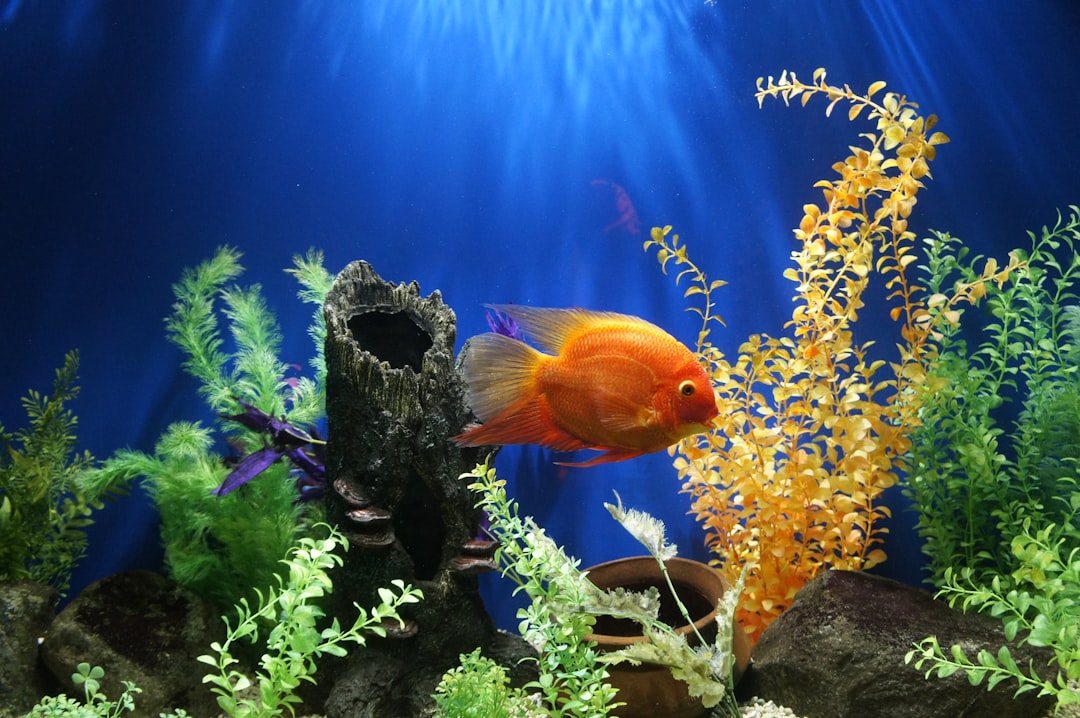
- Tank — glass or acrylic, various sizes
- Filter — usually internal, sometimes external for larger kits
- Heater — usually adjustable, matched to tank size
- LED light — usually built into hood
- Hood / lid — reduces evaporation, prevents jumpers escaping
- Sometimes: sample of substrate, water conditioner, food, thermometer
What’s rarely included:
- Test kit (essential — see our cycling guide)
- Second bucket for water changes
- Aquascape decor (wood, rock, ornaments)
- Live plants
- Fish (never included)
Budget an additional £50–£100 on top of any starter kit price for the missing essentials.
Detailed picks
Best overall value — Fluval Flex 57L
- Where: Fluval Flex 57L
- Includes: curved front tank, hood with LED, 3-stage internal filter (mechanical/biological/chemical), 100W heater, all cables
- Price: £180–£230
Modern-looking curved-front glass tank. LED lighting is decent quality (better than most starter-kit lights). The included filter is genuinely good — 3-stage with replaceable media, adequate for 60L community stocking.
Ideal for a first tropical community tank. Fits danios, tetras, small livebearers, a bristlenose pleco. See our best aquarium fish for UK beginners guide for stocking ideas.
Sizes: 34L, 57L, 123L. The 57L is the sweet spot for beginners.
Best under £100 — Interpet Fish Pod 48L
- Where: Interpet Fish Pod 48L
- Includes: glass tank, hood with LED, internal filter, 50W heater
- Price: £90–£110
Basic but works. The included filter is adequate; the LED is bright enough for hardy plants; the heater is thermostat-controlled.
Not as slick as the Fluval Flex, but £80 cheaper and gets you started with everything you need. Add live plants and stock with beginner-safe fish.
Best mid-range — Juwel Primo 110
- Where: Juwel Primo 110
- Includes: 110L tank, hood with LED, Juwel Bioflow 3.0 internal filter, 100W heater
- Price: £180–£220
German-made Juwel tanks are the reliability standard. The included Bioflow filter is one of the better internal filters on the market (better than many external canisters), and Juwel’s LED is decent.
Room for a real community — 10–15 tetras + corydoras + bristlenose pleco fits comfortably. Great choice for a first “proper” tank rather than a starter nano.
Sizes: Primo 60, 70, 110, 130. The 110 is the best value.
Best premium — Fluval Roma 200
- Where: Fluval Roma 200
- Includes: 200L glass tank, cabinet, LED hood, Fluval external filter, 300W heater
- Price: £350–£420
A serious community tank in a single purchase. Comes with a matching cabinet (stand), which alone would be £100+ bought separately. External canister filter (better than internal for this size), high-quality LED, adjustable heater.
Enough tank for angelfish, dwarf gouramis, larger tetras, corydoras group, bristlenose. See our best aquarium fish for UK beginners guide for a 200L stocking plan.
Best for kids / aesthetic — BiOrb Life 30
- Where: BiOrb Life 30
- Includes: acrylic sphere tank, air-driven filter, LED, heater, gravel, decoration
- Price: £180–£220
Aesthetic acrylic tank that looks like modern furniture. Air-lift filtration (bubbles up through a central column carrying water past media). Compact, minimalist, and popular for kitchen/living-room display.
Caveat: limited fish selection. The shape and filter can’t support tropical community stocking. Best for a betta, a few small tetras, or 5–8 white cloud mountain minnows. Not for a full community.
What you’ll need to add
Beyond the starter kit itself, budget for:
- API Freshwater Master Test Kit — £25–£30. Essential for cycling and ongoing water quality.
- Seachem Prime dechlorinator — £10. Small bottle lasts a year.
- Aquarium gravel vacuum — £10.
- Aquarium magnet cleaner — £10.
- Dedicated water-change bucket — £5.
- Substrate if not included, 1kg per 4L — £15–£30.
- Aquarium bogwood and rocks for hardscape — £15–£40.
- Live plants — £20–£40 for a decent starter selection.
- Pure household ammonia (for fishless cycling) — £3 from UK supermarket cleaning aisles.
- Bottle of pure ammonia and/or seeding bacteria for cycling.
Total add-ons: £100–£200 depending on how ambitious you go with plants and decor.
The complete starter budget
| Setup | Kit price | Add-ons | Total |
|---|---|---|---|
| Interpet 48L | £100 | £100 | £200 |
| Fluval Flex 57L | £200 | £120 | £320 |
| Juwel Primo 110 | £200 | £150 | £350 |
| Fluval Roma 200 | £400 | £200 | £600 |
| BiOrb 30 | £200 | £80 | £280 (limited fish) |
What to avoid
- £40 “complete tank” starter kits from generic sellers on Amazon — cheap plastic tanks, bad heaters (fire risk), useless filters. Wait and save for a real kit.
- Curved acrylic distortions — some novelty tanks warp the fish view badly. Test in-store if possible.
- “Small tank easier for beginners” myth — smaller tanks are HARDER (water parameters swing faster). 40L is the practical minimum; 60L+ is easier.
- Assuming the kit is complete — no starter kit includes a test kit or dechlorinator. Budget the extra £30 up-front.
What order to buy in
- Tank + kit — first purchase
- Substrate, hardscape, plants — after tank is home
- Test kit, dechlorinator, bucket — before adding water
- Ammonia for fishless cycling — day 1 after setup
- First fish — 4–6 weeks after setup (see our cycling guide)
Total time from purchase to fish in tank: 4–6 weeks. Skip cycling, and expect fish to die.
Bottom line
For most UK beginners: Fluval Flex 57L if budget allows, Interpet 48L if not. Both give you real community-capable tanks with reliable filtration.
For a bigger first tank: Juwel Primo 110 is the standard recommendation. Big enough for interesting stocking, small enough for a first-tank learning curve.
Skip the £40 no-name kits. Add-ons will cost you £100 minimum on top of any kit — budget accordingly.
Frequently asked questions
What is the best fish tank starter kit UK?
The Fluval Flex 57L is the best overall value, the Interpet Fish Pod 48L the best budget option, and the Juwel Primo 110 the best mid-range kit for a fuller community.
What comes in an aquarium starter kit?
Typically a tank, filter, heater, LED light and lid. Test kits, dechlorinator, substrate, plants and fish are almost never included — budget £50–£100 extra.
Is a bigger fish tank easier for beginners?
Yes. Water parameters swing more slowly in larger volumes, so a 60-litre-plus kit is more forgiving than a small nano tank.
Related: how to set up a fish tank, best aquarium filter UK, best aquarium heater UK, how to cycle a fish tank.
— Jaqline Smalling, FishForever
Leave a Reply