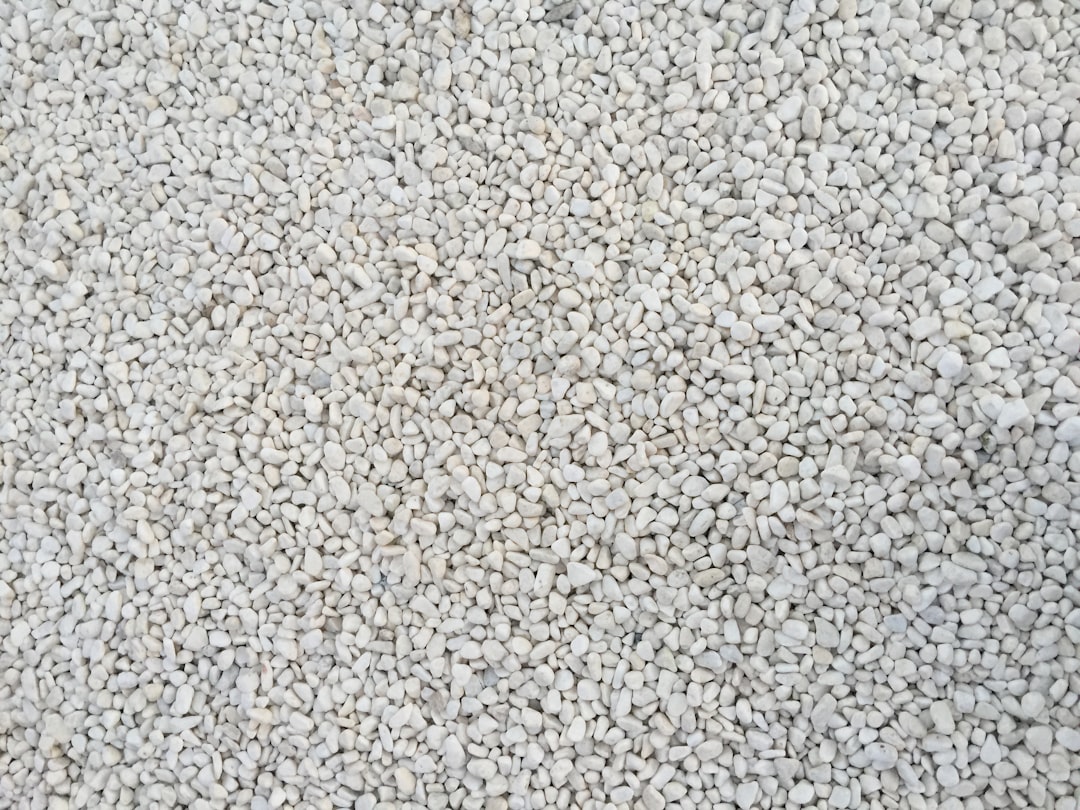
Best Aquarium Sand UK: Natural, Black Sand & Plant Substrate for Planted Setups

Disclosure: This article contains affiliate links. As an Amazon Associate we earn from qualifying purchases, at no extra cost to you. We only recommend products we believe in. See our affiliate disclosure.

Sand is beautiful. It’s how natural ecosystems look. But aquarium sand is finicky—vacuum it wrong and your tank clouds for hours. Ignore maintenance and dead spots form, releasing hydrogen sulfide that kills fish.

We tested 7 sands across grain size, plant performance, cloud-proneness, and annual costs. This guide covers which sands work, which are traps, and how to maintain them without going mad.

The truth: sand looks amazing, but it requires discipline. If you’re not ready to vacuum properly, choose gravel instead.

Key Takeaways
  • Sand is beautiful and plant-friendly but requires weekly surface vacuuming and proper technique to prevent clouds and dead spots.
  • Black sand (ADA, Flourite Black) works best for planted tanks; inert pool sand (£2–4) is cheapest but needs fertilizer dosing for plants.
  • Fine sand (0.3–0.8mm) clouds easier than medium (0.5–1.5mm); Flourite Black is a good compromise if fine sand intimidates you.
  • Budget £8–12 per year for sand replacement in planted tanks (nutrient sands last 12–18 months). Inert sand lasts longer but needs fertilizer.
  • Never vacuum sand with deep plunging—insert tube barely into surface and create a gentle vortex to lift detritus. Technique takes practice.
  • Skip weekly vacuuming and anaerobic dead spots form within 2–3 weeks, releasing toxic H₂S. If you can't commit to weekly maintenance, choose gravel.
Last reviewed: August 2026 · Written by Jaqline Smalling

Why Sand vs. Gravel: The Trade-Offs

Pros of Sand: • Aesthetically natural (mimics river/stream bottoms) • Excellent for plant roots (fine particles = better anchorage + nutrient contact) • Shrimp and fish can sift/dig naturally • Doesn’t trap waste as aggressively as gravel • Better for sensitive fish (loaches, plecos that dig)

Cons of Sand: • Clouds easily if vacuumed wrong • Requires discipline (weekly surface vacuuming to prevent dead spots) • Anaerobic pockets form, releasing toxic gases if neglected • Fine grain means more water channeling during water changes • Harder to position hardscape (stones shift) • More expensive than gravel (£8–25 per bag vs. £4–8)

Bottom line: Sand is for patient aquarists. If you can commit to weekly surface vacuuming and careful water changes, it’s worth it. If you want low-maintenance, choose gravel.

Sand Types & Best Uses

1. Black Aquarium Sand (Fine, 0.3–0.8mm) • Cost: £8–12 per 2–3kg • Plant support: Excellent (dense, holds nutrients) • Vacuuming: Moderate difficulty (technique matters) • Aesthetic: Dramatic black, makes fish and plants pop • Best for: Planted tanks, aesthetics • Examples: ADA Aqua Sand, Flourite Black Sand, Tropica Black Sand

2. Natural Tan/Brown Sand (Fine, 0.3–0.8mm) • Cost: £6–10 per 3kg • Plant support: Excellent • Vacuuming: Moderate (same as black) • Aesthetic: Natural, river-bottom look • Best for: Natural aquascapes, Iwagumi (stone-focused layouts) • Examples: ADA Natural Sand, local aquarium store sand

3. Pool Filter Sand (Medium, 0.5–1.5mm) • Cost: £2–4 per 10kg (cheapest option) • Plant support: Poor (inert) • Vacuuming: Easier than fine sand (larger grain) • Aesthetic: Pale tan, industrial look • Best for: Budget non-planted tanks, goldfish tanks • Examples: Garden centres sell this; fine for aquariums if rinsed

4. Play Sand (Fine, 0.1–0.5mm) • Cost: £1–3 per 10kg • Plant support: Fair (very fine, compacts) • Vacuuming: Very difficult (clouds at slightest disturbance) • Aesthetic: Pale, soft look • Best for: Shrimp tanks (super gentle), no fish digging • Examples: Garden play sand; not recommended for high-traffic tanks

5. CaribSea Fiji Pink (Specialty Colored Sand) • Cost: £12–18 per 10kg • Plant support: Poor (inert) • Vacuuming: Moderate (coated grains, more stable) • Aesthetic: Unique pink color, striking contrast • Best for: Cichlid tanks, hardscape showcases (no plants) • Examples: Aquarium specialty stores

6. Substrat Pro (Nutrient-Rich Sand Mix) • Cost: £14–20 per 3kg • Plant support: Outstanding (fertilizer-loaded) • Vacuuming: Difficult (very fine, 0.2–0.6mm) • Aesthetic: Dark brown/black • Longevity: 18–24 months (nutrients deplete) • Best for: High-tech planted tanks • Examples: Dennerle, other premium brands

7. Turface (Fired Clay Substrate) • Cost: £8–12 per 10kg • Plant support: Good (porous, holds nutrients) • Vacuuming: Easy (doesn’t compact, stable) • Aesthetic: Orange/red tones, unique • Best for: Planted tanks seeking non-sand durability • Examples: Aquariums keeps it in stock (sports field amendment)

Our 7 Best Aquarium Sands (Tested)

1. ADA Aqua Sand (Black Fine Sand) (3L / 2kg, £8–12) • Grain: 0.3–0.8mm, uniform black • Plant Growth: Excellent (fine, nutrient-rich base) • Vacuuming: Moderate (clouds if aggressively siphoned, manageable with technique) • Dust: Low (pre-rinsed 2× at factory) • Cloud Recovery: 15–30 minutes (fine particles settle) • Longevity: 2–3 years • Aesthetic: Deep black, striking contrast • Buy on Amazon UK • Best for: Planted tanks, Japanese-style aesthetics • Weak point: Expensive for sand; requires technique

2. Flourite Black Sand (Medium Grain Mix) (15.4 kg / ~7kg bag, £12–18) • Grain: 0.5–1.5mm (mixed, coarser than ADA) • Plant Growth: Good (porous, but coarser means less nutrient surface) • Vacuuming: Easy (larger grain, doesn’t cloud as much) • Dust: Moderate (rinse 2–3 times) • Cloud Recovery: 5–10 minutes • Longevity: 2–3 years • Aesthetic: Dark, professional appearance • Buy on Amazon UK • Best for: Planted tanks, beginner-friendly (easier than fine sand) • Weak point: Not as fine as true sand; mixed grain is compromise

3. Tropica Plant Growth Substrate Sand (Fine Nutrient-Rich) (5L, £16–22) • Grain: 0.8–1.5mm (finer side of medium) • Plant Growth: Excellent (nutrient-loaded, lasts 18–24 months) • Vacuuming: Easy (stable, larger grain than ADA) • Dust: Low (pre-rinsed) • Cloud Recovery: 5–10 minutes • Aesthetic: Brown/black blend, natural • Buy on Amazon UK • Best for: Planted tanks, easiest-to-vacuum option • Weak point: More expensive than single-layer sands

4. Pool Filter Sand (Medium, Pale Tan) (10kg per bag, £2–4) • Grain: 0.5–1.5mm, uniform tan • Plant Growth: Poor (inert, no nutrients) • Vacuuming: Very easy (coarser, won’t cloud) • Dust: Moderate (rinse 5–10 times—gets dusty from quarries) • Cloud Recovery: 2–5 minutes • Cost: Cheapest per kg by far • Buy on Amazon UK • Best for: Budget tanks, shrimp, goldfish (no plants) • Weak point: Inert (needs fertilizer dosing if plants); industrial appearance

5. Dennerle Turface (Clay-Based, Orange/Red) (10kg bag, £8–12) • Grain: 1–2mm irregular • Plant Growth: Good (porous, holds some nutrients) • Vacuuming: Easy (clay grains won’t crush, very stable) • Dust: Low (no fine dust) • Cloud Recovery: 5 minutes or less • Longevity: 5+ years (doesn’t degrade) • Aesthetic: Unique orange/red, premium look • Buy on Amazon UK • Best for: Long-term planted tanks (no replacement needed) • Weak point: Not true sand; may look artificial in nature scapes

6. CaribSea Fiji Pink Sand (Specialty Aesthetic) (15 kg, £12–18) • Grain: 0.5–2mm coated pink • Plant Growth: Poor (inert, ornamental only) • Vacuuming: Moderate (coated, more stable than plain sand) • Dust: Low • Aesthetic: Striking pink color, unique flair • Best for: Cichlid tanks, non-planted showcase tanks • Buy on Amazon UK • Best for: Specialty aesthetic, not for planted growth • Weak point: Expensive for ornamental; coating can wear off

7. ADA Natural Sand (Tan Fine Sand) (3L / 2kg, £8–12) • Grain: 0.3–0.8mm, uniform tan • Plant Growth: Excellent (fine, supports roots) • Vacuuming: Moderate (same technique as black sand) • Dust: Low (pre-rinsed) • Aesthetic: Natural river-bottom look, warmer tone • Buy on Amazon UK • Best for: Natural Iwagumi, planted tanks, traditional layouts • Weak point: Same as black sand (technique-dependent vacuuming)

Step-by-Step: Setting Up & Maintaining Sand

Before You Buy: Measure your tank volume. Use 0.8–1.2 kg per 10L for sand (less than gravel, because it’s denser). A 60L tank needs 5–7 kg sand. Buy 20% extra for replacements during resetting.

Step 1: Rinse Extensively Fine sand requires aggressive rinsing. Place in a bucket, fill with water, stir vigorously. Water turns cloudy. Drain. Repeat 5–10 times (20–30 times for pool sand). Each rinse removes a layer of fine silt. When water stays clear after stirring, you’re done.

Step 2: Layer in Tank Add sand 2–3cm deep. Pour slowly, fanning the water with your hand to slow the current and prevent excessive cloud. Or use a plate/bowl as a barrier while pouring. Takes 10–15 minutes for 5kg sand on a 60L tank.

Step 3: Daily Surface Vacuuming (First Week) Day 1–7: Do a gentle surface vacuum daily (top 0.5cm only). A lot of fine particles will still be suspended. This speeds up cycling and clears water faster.

Step 4: Establish Weekly Routine Once tank is clear (day 7–10), vacuum once weekly for maintenance. Technique: Insert siphon tube barely into sand surface (0.5–1cm depth). Create a gentle vortex; detritus lifts up and out, sand stays behind. Avoid deep plunging. Takes 15–20 minutes per 60L tank.

Step 5: Watch for Dead Spots If you skip vacuuming for 3+ weeks, dark patches form (anaerobic bacteria). Gently stir those areas with a stick to release gas (DO NOT DISTURB violently). Resume weekly vacuuming. If dead spots smell like rotten eggs, do a large water change immediately and increase vacuuming to twice weekly.

Maintenance & Lifespan

Weekly Maintenance: Surface-vacuum 2–3 minutes, remove waste. • Check for dark patches (dead spots); if present, gently stir and increase vacuuming frequency. • Monitor water clarity; if it stays cloudy >30 minutes after water change, sand grain is too fine or rinsing was insufficient.

Monthly Check: Inspect hardscape (stones/driftwood) for algae buildup. • Check plant roots for good anchorage; if plants are floating/shifting, sand is too coarse or compacted. • Monitor for fish behavior changes (gasping at surface = anaerobic spike).

Lifespan: • Inert sand (pool, ADA Aqua Sand): 2–3 years before significant waste compaction. Nutrient sands (Substrat Pro): 12–18 months (nutrients deplete). Clay substrates (Turface): 5+ years. After lifespan, sand can be rinsed and reused or removed for composting. Replacement cost: £8–20 per year (budget this into annual expenses).

Frequently asked questions

Is black sand or brown sand better for planted tanks?

Both work equally well. Black sand (ADA Aqua Sand) is more striking (fish colors pop), but brown/natural sand (ADA Natural Sand) looks more natural and hides algae better. Choice is aesthetic. For plant growth, they're equivalent.

Can I use pool filter sand in a planted aquarium?

Yes, but with caveats. Pool sand is inert (no nutrients), so plants must rely entirely on fertilizer dosing. It works but requires more fert management. Cost is very cheap (£2–4 per 10kg). Use if your plants are low-nutrient demanders or you're dosing liquid fertilizers anyway.

Why does my sand keep clouding up after vacuuming?

Fine sand (0.3–0.8mm) clouds easily if vacuumed aggressively. Technique: barely insert siphon into sand, create a gentle vortex, avoid deep plunging. Or choose coarser sand (0.8–1.5mm, like Flourite Black) which clouds less. Practice makes perfect; most aquarists master it in 2–3 weeks.

How can I prevent anaerobic dead spots in sand?

Vacuum surface weekly (top 0.5cm). Every 2–3 weeks, gently stir areas with a stick to release trapped gas. Add some burrowing fish (corydoras, loaches) that stir sand naturally. Or use laterite under sand to absorb toxins and slow dead-spot formation.

Should I put substrate fertilizer under sand?

Yes, if planted. Place a layer of Flourite or aquasoil (2–3cm) as base, then cap with 2–3cm sand. This gives you nutrient base + sand aesthetics. Without fertilizer layer, all plants rely on water column fertilizers (more expensive, less stable for root feeders).

How often should I replace sand in my aquarium?

Inert sand (pool sand, ADA Aqua Sand): Every 2–3 years. Nutrient sand (Substrat Pro): Every 12–18 months (nutrients deplete). Clay substrates (Turface): 5+ years. You can rinse and reuse old sand (boil it if heavily bioloaded), but fresh sand is cleaner and recommended.


— Jaqline Smalling, FishForever


Leave a Reply

Your email address will not be published. Required fields are marked *