
Substrate is the layer nobody thinks about — until they buy the wrong one and can’t easily change it later. Sharp gravel damages catfish bellies. Aquasoil releases ammonia into cycled tanks and kills fish. Bright pink gravel from the pet shop flakes coating over weeks and turns water cloudy.
This guide covers the substrate that actually works for UK freshwater aquariums in 2026 — matched to fish type, plant needs, and tank aesthetics.
This article contains affiliate links. If you buy through one of them, FishForever earns a small commission at no cost to you. We only recommend products we’d use ourselves. See our Affiliate Disclosure.
- Choose substrate for your fish: fine sand for catfish and loaches, fine gravel for general communities, aquasoil for demanding planted tanks, aragonite for hard-water species.
- Never add aquasoil to a tank with fish — it releases ammonia for the first weeks.
- Use about 1 kg of substrate per 4 litres of tank volume.
- Avoid dyed gravel, which flakes and can be toxic.
Our top picks at a glance
- Best all-round (community tanks): natural fine aquarium gravel — safe, cheap, works with everything.
- Best for catfish and loaches: aquarium fine silver sand — essential for cory, kuhli, pleco tanks.
- Best planted-tank (high-tech): Fluval Stratum aquasoil — root nutrients, buffers pH slightly acidic.
- Best for aesthetic (dark substrate): aquarium black sand — makes fish colours pop dramatically.
- Best for shrimp: aquarium inert dark gravel — safe, no ammonia release.
- Best for cichlids (African): aragonite substrate — raises hardness, buffers alkaline.
The 5 substrate types
1. Sand (fine grain)
Best for: community tanks with catfish, loaches, sand-sifters (yellow-tail acei, dragonets in marine). Any tank with bottom-feeding fish.
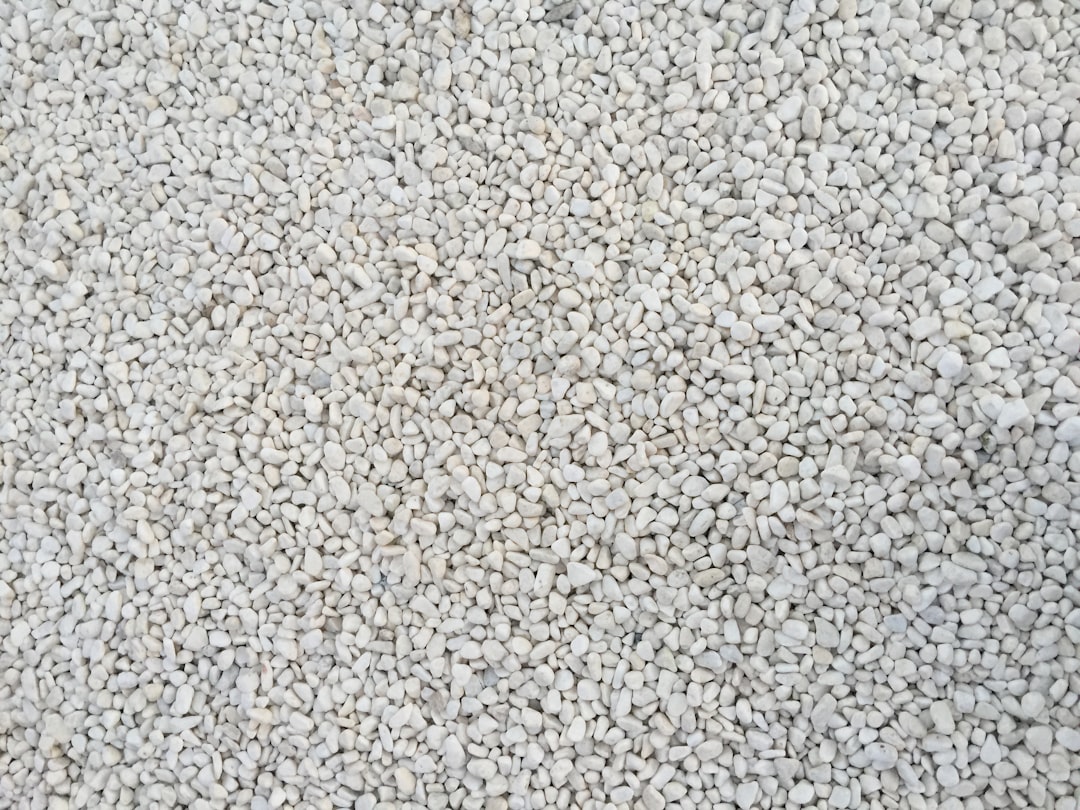
Options:
- Aquarium silver sand — the standard. Light-coloured, natural.
- Aquarium black sand — dramatic aesthetic, makes fish colours pop.
- Pool filter sand — often cheaper alternative, similar to silver sand.
Depth: 3–5 cm.
Rinse: 10+ times before installing. Sand is dusty; skip this step and water is cloudy for weeks.
Downsides: compacts if not agitated (creates anaerobic pockets that release sulphide gas). Solution: keep Malaysian trumpet snails which burrow through sand and aerate it. Or manually stir every month with a chopstick.
2. Fine gravel (2–5mm)
Best for: general community tanks, mid-water fish, most beginners.
Options:
- Aquarium natural gravel — brown/beige mixed tones.
- Aquarium black gravel — dramatic aesthetic.
- White aquarium gravel — visually clean but shows every bit of waste.
Depth: 3–5 cm minimum for plants; 6–8 cm for deep-rooted species.
Rinse: 5+ times before installing.
Downsides: sharp edges can cut catfish barbels. Feel a handful before buying; if it feels prickly, it’s not safe for corydoras or kuhli loaches. See our corydoras guide for details.
3. Coarse gravel (5-15mm)
Best for: larger fish only (goldfish, cichlids). Not for planted tanks — too coarse for roots.
Options:
Depth: 3–5 cm.
Downsides: waste accumulates in the gaps and rots. Requires more frequent gravel vacuuming.
4. Aquasoil (specialty planted-tank substrate)
Best for: demanding planted tanks — high-tech with CO2, root-feeding plants (Cryptocorynes, Amazon swords), aquascape competitions.
Options:
- Fluval Stratum — mid-price, popular UK choice
- ADA Amazonia — premium, aquascape competition standard
- Tropica Aquarium Soil — Danish, mid-price, reliable
Depth: 5–8 cm.
Key advantages: releases nutrients directly to plant roots. Buffers pH slightly acidic. Plants grow visibly faster.
CRITICAL warning: aquasoil releases ammonia for the first 2–4 weeks after installation. Never add aquasoil to a tank with fish. Only use aquasoil in brand-new setups, with a full 6-week fishless cycle before adding fish. Skip this and your fish die.
Lifespan: 2–4 years. Loses nutrient content over time and eventually needs replacing (destructive process).
5. Coral / aragonite (hard-water specialty)
Best for: hard-water tanks — mollies, guppies, African rift-lake cichlids, some livebearers.
Options:
- Aragonite substrate — white-cream, sand-like
- Crushed coral — larger particle
- Cichlid stone substrate
Depth: 3–5 cm.
Effect: slowly dissolves in water, raising KH (buffering) and GH (calcium/magnesium). Ideal for fish needing hard alkaline water. NOT for soft-water species (tetras, catfish, angelfish).
Substrate calculator by tank size
Rule: 1 kg of substrate per 4 litres of tank volume. Aim for 3–5 cm depth.
| Tank size | Substrate weight | Approx price |
|---|---|---|
| 40L | 10 kg | £15–£25 |
| 60L | 15 kg | £20–£35 |
| 100L | 25 kg | £30–£50 |
| 200L | 50 kg | £50–£80 |
| 400L | 100 kg | £100–£150 |
Aquasoil is more expensive: expect £2–£4/kg vs £0.50–£1/kg for standard sand/gravel.
What to avoid
- Dyed / painted gravel (bright pink, blue, neon) — coating flakes over months, turns water cloudy, potentially toxic
- Beach sand — contains salt, shells, biological hitchhikers
- Garden gravel — untreated, may contain pesticides or coatings
- Fish tank gravel with sharp edges — cuts catfish and loaches
- “Aquarium” gravel from unbranded sellers under £8 — often contaminated or dyed
Special use cases
Bare-bottom tanks
Breeding tanks, quarantine tanks, hospital tanks. No substrate at all. Easier to clean. Ugly but functional.
Pros: waste immediately visible and removable. No hiding places for eggs to be lost.
Cons: ugly. No plants (unless attached to wood/rock). No natural biofilm surfaces.
Multi-layer setups
Some aquascapers use aquasoil as base (2–4cm) then finer sand or gravel on top (2–3cm). Roots access the nutrient-rich layer; visible surface looks like sand.
Requires care during installation (layers don’t mix) and during rescape (roots have grown between layers).
Planted-tank substrate additions
Even inert sand/gravel benefits from occasional root feeding. Insert aquarium root tabs near root-feeding plants (Cryptocorynes, Vallisneria) every 2–3 months. £8 for a pack that lasts a year.
Substrate depth guide
- Bare-bottom: hospital, quarantine, breeding tanks. 0 cm.
- Nano tanks: 2–3 cm — need shallow to preserve swimming volume.
- Standard community: 3–5 cm — enough for plants, easy to vacuum.
- Planted tank (rooted plants): 5–8 cm — root system needs space.
- Deep-substrate (advanced): 8+ cm — for anaerobic denitrification zones. Not for beginners.
Installation tips
- Rinse until water runs clear. Sand needs 10+ rinses; gravel needs 5+.
- Add to empty tank on stand (don’t fill first — dust cloud).
- Level with hand or aquascape rake — slope from front (shallow) to back (deep) for visual depth.
- Add hardscape and equipment before water.
- Fill slowly with a plate as splash-breaker to avoid disturbing substrate.
See our how to set up a fish tank guide for full sequence.
Changing substrate later
Cannot be done without disturbing the whole tank. Requires:
- Removing fish to temporary tank
- Draining tank
- Removing old substrate
- Rinsing new substrate
- Installing new substrate
- Refilling, checking bacterial cycle didn’t crash
- Reintroducing fish
Plan the substrate correctly the first time. Do it right, and it lasts years.
Bottom line
For most UK community tanks: natural fine gravel if no catfish/loaches, fine aquarium sand if any bottom-feeders.
For high-tech planted tanks: Fluval Stratum aquasoil in a new setup.
For African cichlids or mollies: aragonite substrate.
Skip dyed gravel and cheap unbranded substrates. The £10 saved becomes £50 fixing cloudy water and stressed fish later.
Frequently asked questions
What is the best substrate for a fish tank?
Fine natural gravel suits most community tanks, fine sand is best for catfish and loaches, aquasoil is best for demanding planted tanks, and aragonite suits hard-water species like mollies and African cichlids.
How much substrate do I need for my aquarium?
About 1 kg per 4 litres of tank volume, giving a depth of 3–5 cm for gravel or 4–6 cm for sand and planted setups.
Can I use aquasoil in a tank with fish?
No — aquasoil releases ammonia for the first few weeks and must only be used in a new tank that is then cycled before fish are added.
Related: how to set up a fish tank, best aquarium plants UK, how to decorate a fish tank, best aquarium filter UK.
— Jaqline Smalling, FishForever
Leave a Reply