
Feeding tropical fish is where beginners overspend and under-optimise. The £3 flake tub from the pet shop is fine for guppies but bad for bristlenose plecs. The £15 premium pellet tin is great for cichlids but wasted on tetras. Frozen bloodworm is a treat everyone loves but shouldn’t be daily.
This guide covers the best UK-available fish foods for 2026, matched to fish type. Buy the right food for what you keep, and fish are healthier, colours brighter, and breeding more likely.
This article contains affiliate links. If you buy through one of them, FishForever earns a small commission at no cost to you. We only recommend products we’d use ourselves. See our Affiliate Disclosure.
- Match food to fish: flake for mid-water community fish, sinking wafers for catfish, algae wafers for plecos, betta pellets for bettas, and frozen food as a treat for all.
- Feed only what fish clear in two minutes, twice a day, with one weekly fasting day.
- Overfeeding is the number-one cause of water-quality problems for beginners.
- Vary the diet — no fish thrives on a single food.
Our top picks at a glance
- Best all-round flake: Tetra Prima — small omnivore flake, works for most community fish.
- Best premium daily food: Hikari Micro Wafers — sinking micro pellets, high quality.
- Best cichlid food: Hikari Cichlid Excel — colour-enhancing formula.
- Best pleco/catfish: Hikari Algae Wafers — sinking algae wafers.
- Best betta: Hikari Betta Bio-Gold — carnivore floating pellets.
- Best shrimp: Hikari Shrimp Cuisine plus Bacter AE.
- Best frozen (treats): Ocean Nutrition frozen bloodworm.
Food types explained
Flake
Thin flakes floating on the surface. Community-tank staple. Sinks slowly to feed mid-water fish.
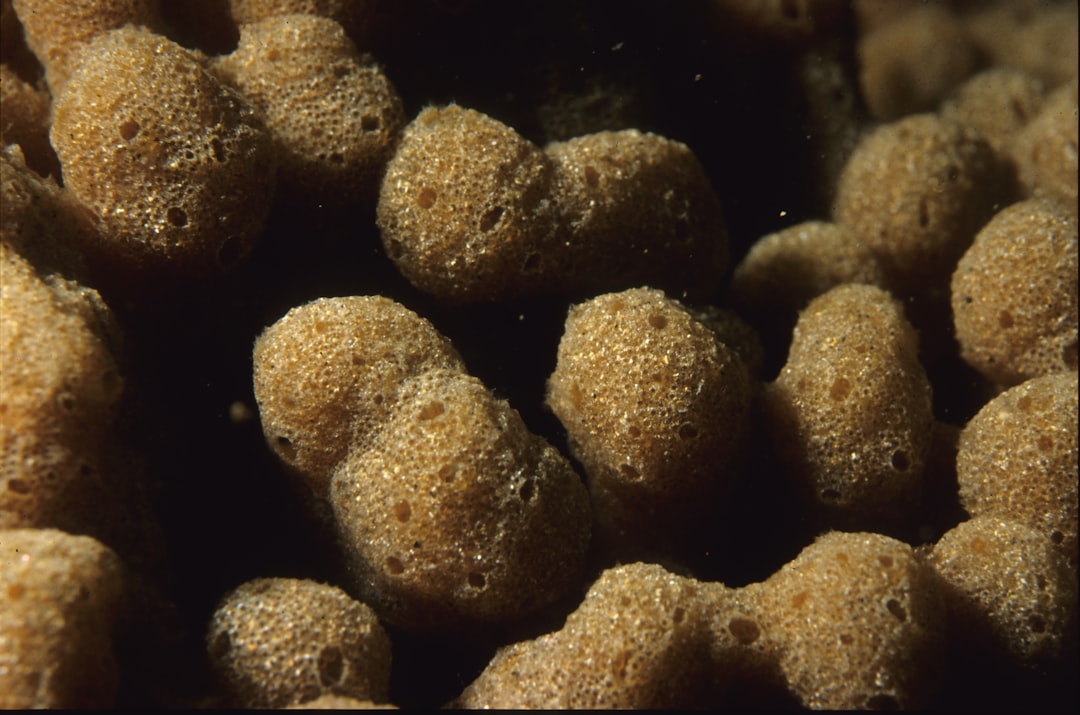
Best for: community mid-water fish — tetras, danios, guppies, gouramis.
Downside: doesn’t reach bottom-feeders before mid-water fish grab it.
Pellets
Compressed granules. Sinking pellets fall for bottom-feeders; floating pellets for surface-feeders (bettas, gouramis); mid-column pellets for community.
Best for: larger fish, cichlids, catfish, bettas.
Wafers
Larger sinking discs. Take longer to break down.
Best for: plecos, corydoras, larger catfish, nighttime feeding.
Frozen food
Actual insect larvae, brine shrimp, daphnia — frozen fresh. Highest-quality protein, most natural.
Best for: treats 2–3× weekly; conditioning fish for breeding; carnivorous species.
Live food
Fresh live brine shrimp, daphnia, blackworms. Best possible food but requires hatching or fresh supply.
Best for: fry raising, breeding conditioning, difficult-to-feed species.
Detailed picks by fish type
Community mid-water fish (tetras, danios, guppies, harlequins)
Daily staple:
- Tetra Prima Micro Sticks — small sinking granules; the industry standard. £8 for a 45g tin lasting 6+ months.
- Hikari Micro Wafers — premium alternative; higher protein and colour-enhancing.
- JBL NovoBel flake — German quality, well-balanced.
Treats (2–3× weekly):
- Frozen bloodworm — every community fish loves this
- Frozen daphnia — helps digestion
- Frozen brine shrimp — variety
Corydoras and small catfish (peppered, bronze, sterbai)
Daily:
- Hikari Sinking Wafers — small sinking wafers, corydoras staple
- King British Catfish Pellets — UK-made, budget-friendly
Feed after lights-out — corydoras feed at night. See our corydoras breeding guide for full protocol.
Bristlenose plecs and larger catfish
Daily:
- Hikari Algae Wafers — bristlenose gold standard
- Tetra Pleco Wafers — cheaper alternative
Plus blanched vegetables — courgette (best), cucumber, spinach — attached to a veggie clip in the tank overnight.
Cichlids (rams, kribensis, angels)
Daily:
- Hikari Cichlid Excel — colour-enhancing formula, the standard
- New Life Spectrum Cichlid Formula — premium option
- Northfin Cichlid Formula — Canadian brand, growing UK availability
Frozen treats 2× weekly:
- Frozen bloodworm, brine shrimp — colour-boosting.
See our best cichlids for beginners UK guide and angelfish care.
Betta
Daily:
- Hikari Betta Bio-Gold — the standard
- Fluval Bug Bites for bettas — insect-based protein
2–3 pellets, twice daily. One fasting day per week. See our betta care guide.
Livebearers (guppies, mollies, platies)
Daily:
- Tetra Prima or Hikari Micro Wafers as above
- Vegetable-based flake or blanched vegetables for mollies (herbivorous tendency) — see our mollies guide
Shrimp
Daily/every-other-day:
- Bacter AE — biofilm booster
- Hikari Shrimp Cuisine — pelleted staple
- Blanched vegetables — courgette, spinach
Feed sparingly. See our cherry shrimp care guide.
Fry (any species)
- Hikari First Bites — powdered fry food
- Sera Micron — alternative
- Baby brine shrimp hatchery — for freshly-hatched Artemia (best possible fry food)
See our livebearers guide and breeding corydoras guide.
Feeding rules that matter
Only what fish clear in 2 minutes, twice a day maximum. Overfeeding is the #1 water-quality problem for beginners.
One fasting day per week. Genuinely healthy — not cruel.
Vary the diet. No fish thrives on a single food. Rotate between flake, pellets, frozen.
Feed AFTER water changes, not before — settled water shows leftover food that might be missed.
Bottom-feeders eat after lights-out — feed them then, with sinking food.
Overfeeding leads to:
- Ammonia spikes from rotting food
- High nitrate (see how to lower nitrate in fish tank)
- Snail population explosions (see get rid of snails)
- Cloudy water (see why is my fish tank cloudy)
- Fish obesity and swim bladder disease
What to avoid
- Very cheap unbranded flakes under £3 — usually filler with minimal nutritional content
- Feeding cichlid food to community fish — too rich in protein for tetras
- Fresh table scraps (bread, meat, cheese) — most cause water quality problems
- Live food from unknown ponds — bring parasites into your tank
- Storing food past expiry — fats go rancid; vitamins degrade
Storage
Keep flakes in the original tin (or airtight container) in a cool dry place. Frozen food goes in the freezer (freezer bag protects flavour).
Buy small containers if you have small tanks — flakes lose vitamins 3–6 months after opening. A 100g tub lasts one small tank a year.
Cost per year for typical UK tanks
| Setup | Weekly food cost | Annual cost |
|---|---|---|
| 60L community | £0.50 | £25 |
| 100L community | £1.00 | £50 |
| 200L community with cichlids | £2.00 | £100 |
| Reef tank (fed daily) | £5.00 | £250 |
Fish food is one of the cheapest ongoing costs in the hobby. Buy quality.
Bottom line
Community tanks: Tetra Prima or Hikari Micro Wafers daily; frozen bloodworm as weekly treat.
Bristlenose or catfish: Hikari Algae Wafers plus blanched vegetables.
Cichlids: Hikari Cichlid Excel or New Life Spectrum.
Bettas: Hikari Betta Bio-Gold.
Two feedings per day, only what fish clear in 2 minutes. One weekly fasting day. Variety matters more than quantity.
Frequently asked questions
What is the best food for tropical fish?
For community mid-water fish, a quality flake or micro-pellet like Tetra Prima or Hikari Micro Wafers daily, with frozen bloodworm as a weekly treat. Match specialised foods to catfish, plecos, bettas and shrimp.
How much should I feed my fish?
Only what they clear in about two minutes, twice a day at most, with one fasting day per week. Overfeeding causes most beginner water-quality problems.
Can I feed my fish once a day?
Yes. Most adult fish do fine on one daily feeding, and a weekly fasting day is healthy. Fry and very active species benefit from smaller, more frequent meals.
Related: best aquarium fish for UK beginners, best aquarium filter UK, how to clean a fish tank.
— Jaqline Smalling, FishForever
Leave a Reply