
Rainbow sharks are one of the most-searched aquarium fish and one of the most mis-sold in the UK trade. Named for their sleek shark-like silhouette (they’re not actual sharks — they’re minnows), sold as “community fish” (they’re semi-aggressive), and often stocked in tanks too small (they need 150L+). Every UK aquatic shop sells them; almost every one under-explains their requirements.
This guide covers proper rainbow shark care and — critically — whether you should keep one at all.
This article contains affiliate links. If you buy through one of them, FishForever earns a small commission at no cost to you. We only recommend products we’d use ourselves. See our Affiliate Disclosure.
- Rainbow sharks are cyprinids (not true sharks) reaching 15 cm, needing a 150-litre-plus tank — they are not small community fish.
- Keep only one per tank; they are territorial and fight other rainbow sharks and bottom-dwellers.
- Do not house with other bottom feeders like plecos, corydoras or loaches.
- They need strong flow, hiding places, and open swimming space.
Quick facts
- Scientific name: Epalzeorhynchos frenatum
- Common names: Rainbow shark, red-finned shark, ruby shark
- Origin: Thailand, Vietnam, Laos, Cambodia — fast-flowing rivers
- Adult size: 15 cm
- Lifespan: 5–8 years
- Water temperature: 22–27°C
- pH: 6.5–7.5
- Water hardness: medium (5–15 dGH)
- Minimum tank size: 150L for one, 250L+ for multiple
- Social: semi-aggressive; territorial as adults; one per tank
Are they actually sharks?
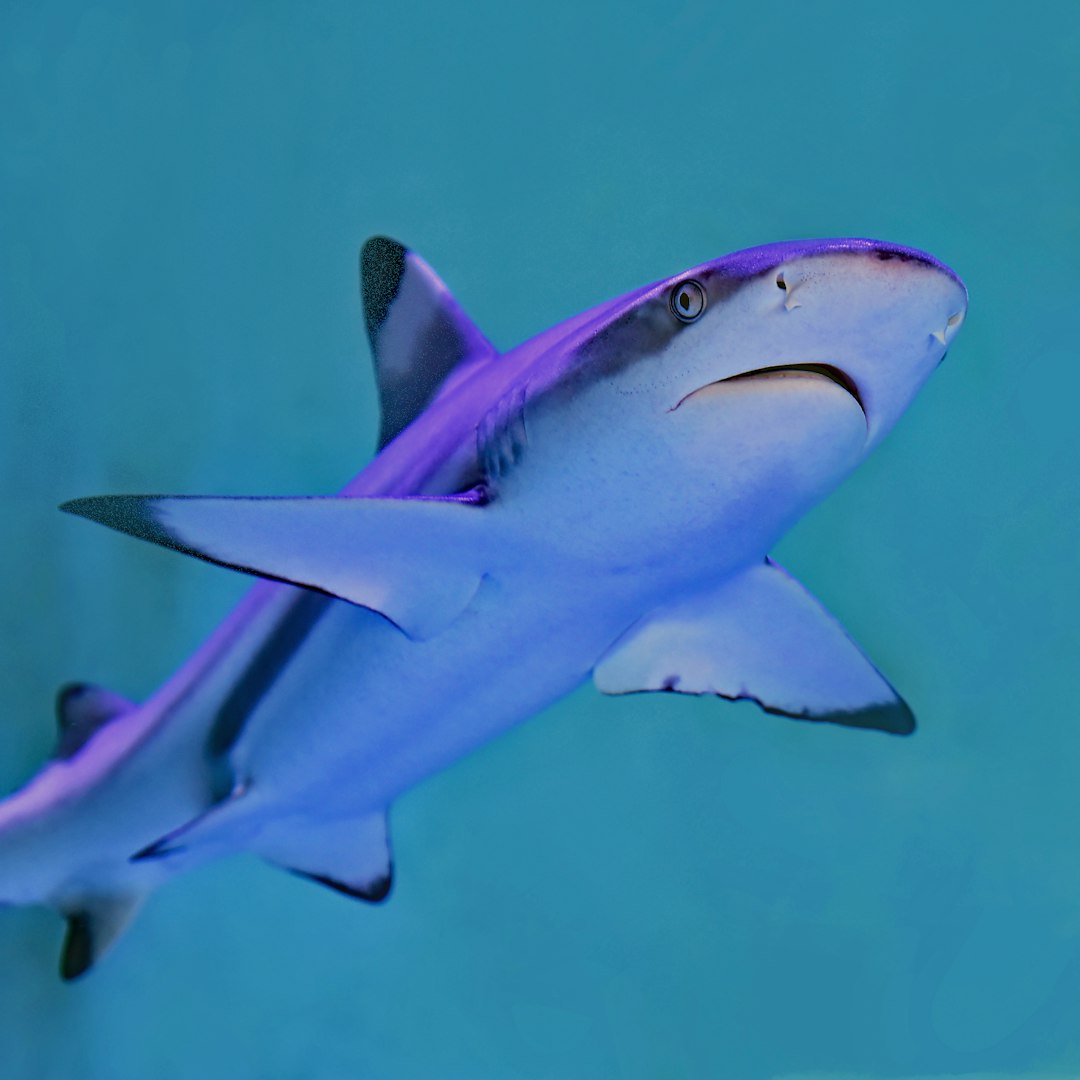
No. Rainbow sharks are cyprinids — related to carp, barbs, and minnows. The “shark” name comes from their body shape (torpedo-like with a tall dorsal fin) not their behaviour or genetics. They’re actually similar to plecs in role: bottom-feeders that graze on algae and biofilm.
Colour varieties in UK trade
- Standard rainbow shark — grey-black body with orange-red fins. Most common.
- Albino rainbow shark — pink-white body with red fins. Common in UK.
- Both varieties same care — colour is genetic, behaviour identical.
The “not a beginner fish” warning
Rainbow sharks marketed as community fish, but three things make them tricky:
- Adult size 15 cm — outgrows most beginner tanks
- Territorial as adults — one rainbow shark per tank; multiples fight to death
- Not compatible with other bottom-feeders — bristlenose plecs, corydoras get harassed
If you’re setting up your first tank (100L or under), rainbow sharks are wrong. See our best aquarium fish for UK beginners guide for suitable alternatives.
Right for: aquarists with 150L+ tanks who understand the territorial personality and want a striking bottom-feeder centrepiece.
Tank setup
Tank size
- Minimum: 150L for one adult rainbow shark
- Ideal: 200–300L
- Never multiple in the same tank unless it’s 400L+ and you accept possible fatalities
Tank length matters more than volume — rainbow sharks are strong swimmers. A 120cm-long tank suits them better than a taller cube of the same volume.
Filtration
Strong flow. Rainbow sharks evolved in fast-flowing rivers.
- External canister filter with high turnover (6–8× tank volume per hour)
- Spray bar diffusing flow across the length of the tank
- See our best aquarium filter UK guide.
Heater
- 200W adjustable heater for 150L tanks
- See our best aquarium heater UK guide
Substrate and hardscape
- Fine gravel or sand — rainbow sharks graze on the bottom
- Aquarium bogwood or driftwood — natural aesthetic; rainbow sharks patrol around it
- Rocks stacked as caves — hiding places and territorial boundaries
- Open swimming space — must be balanced against decor
Plants
Hardy species only — rainbow sharks may nibble delicate plants.
- Java fern and Anubias — safe, both attached to wood
- Vallisneria — background grass; usually left alone
- Amazon sword — safe once established
Water chemistry
Cycle the tank first — see our UK cycling guide. Then:
- Ammonia / Nitrite: 0
- Nitrate: under 30 ppm
- pH: 6.5–7.5, stable
- Temperature: 24–26°C
- Hardness: medium (5–15 dGH)
UK tap water in most areas works without adjustment.
Test weekly with an API Freshwater Master Test Kit.
Feeding
Omnivorous with a bias toward algae/biofilm as juveniles, more meaty as adults.
Daily:
- Hikari Algae Wafers — 2× weekly
- Sinking pellets (Hikari Sinking Wafers or similar)
- Blanched vegetables — courgette, spinach
- Frozen bloodworm as treat 2× weekly
- Frozen brine shrimp
Feed twice daily. Rainbow sharks are active grazers.
Tank mates — the whole issue
Rule 1: ONE rainbow shark per tank. Multiple in tanks under 400L means fatal aggression.
Rule 2: NO other bottom-feeders. Rainbow sharks bully:
- Bristlenose plecs (in smaller tanks)
- Corydoras
- Kuhli loaches
- Other loaches
- Other “sharks” (red-tailed shark, silver shark)
Rule 3: NO similarly-shaped fish — some rainbow sharks harass fish of similar body shape as “rivals.”
Compatible tank mates:
- Mid-water shoaling fish — barbs (cherry, gold, checkered), rasboras, danios
- Larger tetras — Congo tetras, silver dollars (large tanks)
- Angelfish — occupy different water column; usually compatible
- Gouramis — different water zone
- Rainbowfish — similar water preferences
- Livebearers in the largest tanks — occupy upper water
Incompatible:
- Any bottom-dweller (as above)
- Small nano fish (neons, embers, chili rasboras) — get chased
- Long-finned fish (bettas) — fins get nipped
- Other cyprinids that look similar (red-tail shark, silver shark)
Behaviour and personality
Rainbow sharks develop personality over time:
- Juveniles (up to 6 months): relatively peaceful, active swimmers
- Adults (12+ months): territorial, may chase smaller/slower fish
- Individual variation: some individuals are aggressive from the start; others remain relatively peaceful
Warning signs of territorial issues:
- Constant chasing of a specific tank mate
- Fin-nipping
- Prevention of another fish from reaching food
Rehome the aggressor if behaviour becomes destructive.
Common problems
Aggressive with new tank mates — add new fish only when rainbow shark is well-fed and distracted; do it at lights-out.
Not eating — usually stress from overcrowded or under-established tank. Wait for tank to mature; ensure hiding places.
Bullied by larger tank mates — happens if paired with too-aggressive cichlids or larger sharks. Rehome one or upgrade tank.
Colours fading — usually water quality or diet. Check water; add colour-enhancing foods (Hikari Cichlid Excel despite being called cichlid food).
Ich or fin rot — see our ich guide and fin rot guide. Rainbow sharks respond to standard treatments.
Life expectancy
Rainbow sharks in properly-sized well-run tanks live 5–8 years. In tanks under 150L or in aggressive-tank-mate situations, they typically die at 2–3 years from chronic stress.
Breeding
Difficult in home tanks. Rainbow sharks require:
- Specific water conditions (soft, slightly acidic)
- Larger tanks than most home setups
- Hormone injection for reliable spawning in commercial farms
Most rainbow sharks in UK trade are commercially bred in Southeast Asian farms with hormone induction. Home breeding rarely succeeds.
Bottom line
Rainbow sharks are striking, personable, long-lived fish for aquarists with 150L+ tanks who understand:
- One per tank only
- No bottom-feeders as tank mates
- Not for small community tanks
If you have a 150L+ tank with mid-water shoaling fish and want a striking centrepiece bottom-dweller: a rainbow shark works well. Otherwise, consider bristlenose plecs or kuhli loaches for smaller-tank alternatives.
Frequently asked questions
Are rainbow sharks aggressive?
They become territorial as adults, especially toward other rainbow sharks and bottom-dwelling fish. Keep only one per tank and avoid other bottom feeders.
What size tank does a rainbow shark need?
At least 150 litres, ideally longer than tall, since they reach 15 cm and are strong, active swimmers that patrol the bottom.
Can rainbow sharks live with other fish?
Yes, with mid-water shoaling fish like barbs, rasboras and danios. Avoid other bottom-dwellers and similarly shaped fish, which trigger aggression.
Related: best aquarium fish for UK beginners (smaller alternatives), bristlenose pleco care (bottom-dweller alternative), angelfish care (compatible tank mate), best aquarium filter UK, best aquarium heater UK.
— Jaqline Smalling, FishForever
Leave a Reply