
Disclosure: This article contains affiliate links. As an Amazon Associate we earn from qualifying purchases, at no extra cost to you. We only recommend products we believe in. See our affiliate disclosure.
No pet in Britain is more misunderstood than the goldfish. Won at fairs, kept in bowls, and sold as a starter pet for children, the goldfish has a reputation as a disposable, low-maintenance animal — and that reputation is why so many die within months. The reality is almost the opposite: a goldfish is a large, intelligent, remarkably long-lived fish that, given a proper home, can live 10 to 20 years and grow bigger than most people ever imagine.
This guide gives you the honest version of goldfish keeping: how big they really get, how much filtration their waste demands, and which tanks are genuinely suitable in the UK in 2026. If you want your goldfish to thrive for a decade rather than survive for a few months, this is what you need to know.
- Goldfish are large, long-lived, messy coldwater fish — a fancy goldfish needs around 75 litres for the first fish, and common/comet types really belong in a pond.
- Bowls and tiny tanks are the leading cause of early goldfish death: no filtration, no space, and wildly unstable water.
- Goldfish produce huge amounts of waste, so oversized filtration and generous weekly water changes are essential, not optional.
- They're coldwater fish and need no heater — but they do need a big, well-filtered, well-oxygenated tank.
- Choose a large tank with a strong external filter; the Fluval Roma and similar 100L+ setups are ideal.
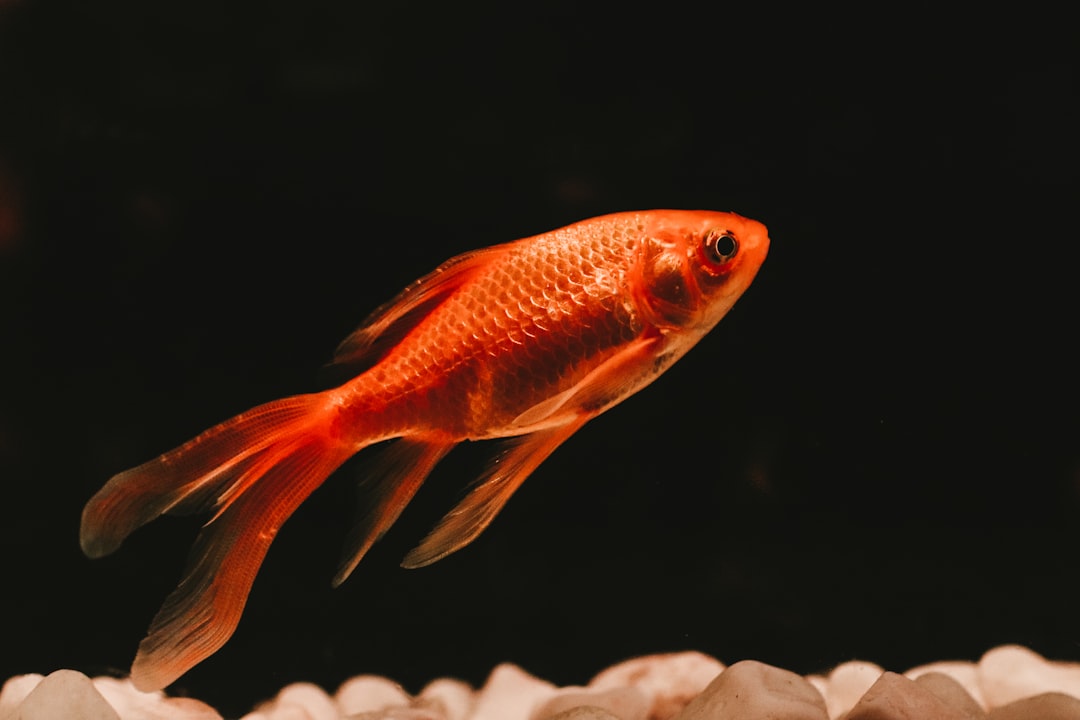
The truth about goldfish size and mess
Two facts change everything about goldfish keeping. First, they get big: fancy goldfish reach 15–20 cm, and common, comet and shubunkin types grow to 25–30 cm or more. Second, they are exceptionally messy — goldfish eat a lot and produce a huge amount of waste, far more than a tropical fish of similar size. Together, these mean goldfish need much more water and much more filtration than people expect.
As a practical guide, a single fancy goldfish needs around 75 litres, with roughly another 40–50 litres for each additional fish. Common and comet goldfish grow so large and so fast that they are really pond fish — a tank is only ever a temporary home for them. This is why the classic goldfish bowl is so harmful: it has no filtration, no room, and a volume so small that waste and temperature swing dangerously. Bowls don’t just limit goldfish; they kill them slowly. See our guide to coldwater fish for suitable companions.
What a goldfish tank needs
A big tank
Start at 75 litres for one fancy goldfish and go bigger for more. A longer tank is better than a tall one, as goldfish appreciate horizontal swimming space. As always, more water is more stable and more forgiving.
Oversized filtration
This is the non-negotiable. Goldfish waste overwhelms modest filters, so you want a filter rated well above your tank volume — ideally a powerful external canister filter that turns the water over several times an hour. See our canister filter guide. Pair it with generous weekly water changes to keep nitrate down.
No heater — but plenty of oxygen
Goldfish are coldwater fish and do best in stable, cool water without a heater. What they do need is good oxygenation — they’re big, active fish with high oxygen demand, so strong surface agitation or an air pump and air stone help, especially in summer. See increasing oxygen.
Smooth decor and the right food
Fancy goldfish are clumsy swimmers and can injure themselves on sharp ornaments, so choose smooth decor. Feed a quality goldfish food — sinking foods help prevent the swim bladder problems fancy types are prone to.
The best goldfish tanks in the UK for 2026
Best overall: large tank with external filter
For fancy goldfish, a 100-litre-plus aquarium paired with a strong external filter is the sweet spot — enough water to stay stable, enough filtration to cope with the waste, and room for the fish to grow. A matched tank-and-cabinet set like a Fluval Roma looks smart and gives you space in the cabinet for a canister filter.
Best for: one to three fancy goldfish kept properly. Watch: add an oversized filter.
Best big-tank filtration: oversized canister
Because filtration is everything with goldfish, don’t skimp here. An oversized canister filter rated well above your tank volume is the best way to stay ahead of the waste. Our canister guide has the top models.
The honest answer for commons and comets: a pond
If you have common, comet or shubunkin goldfish, the honest recommendation is a garden pond. These fish grow far too large and too active for any reasonable indoor tank, and they’re hardy, beautiful pond fish that will live for many years and grow to full size outdoors. A tank can only ever be a temporary or growing-on home for them.
At-a-glance: how many goldfish, how much tank
| Goldfish type | Adult size | First fish | Each extra | Best home |
|---|---|---|---|---|
| Fancy (fantail, oranda…) | 15–20 cm | ~75 L | ~40–50 L | Large tank |
| Common / comet | 25–30 cm+ | Pond | Pond | Garden pond |
| Shubunkin | 25–30 cm | Pond | Pond | Garden pond |
Setting up a goldfish tank
- Choose a large tank and an oversized filter, and set it on a sturdy, level stand — a full 100L+ tank is very heavy.
- Add smooth substrate and decor, fill with dechlorinated water, and start the filter.
- Cycle the tank fully before adding fish — see how to cycle. Goldfish waste makes a solid cycle especially important.
- Add goldfish slowly and keep stocking conservative — it’s better to have fewer, healthier fish.
- Commit to weekly water changes and a gravel vacuum; this is the single most important routine for goldfish health.
Common goldfish-keeping mistakes
- Bowls and tiny tanks — the number-one killer of pet goldfish.
- Underfiltering — matching the filter to the tank rather than to the fish’s heavy waste.
- Overstocking — cramming in more goldfish than the water can support.
- Overfeeding — goldfish always look hungry; feed small amounts and include a fasting day to avoid swim bladder problems.
- Keeping commons in a tank long-term instead of a pond.
Frequently asked questions
What size tank does a goldfish need?
A single fancy goldfish needs around 75 litres, with roughly another 40–50 litres per additional fish. Common and comet goldfish grow so large that they really belong in a garden pond rather than a tank.
Can goldfish live in a bowl?
No. Bowls have no filtration and far too little water for these large, messy fish, so waste and temperature swing dangerously. Goldfish kept in bowls usually die within months; they need a big, filtered tank.
Do goldfish need a heater?
No — goldfish are coldwater fish and do best in stable, cool water without a heater. They do need strong filtration, good oxygenation and generous water changes to cope with their heavy waste.
Why do goldfish need such big tanks?
Because they grow large (15–30 cm depending on type) and produce a great deal of waste. That waste demands a large water volume and powerful filtration to keep toxins low, which a small tank or bowl simply cannot provide.
What is the best goldfish tank in the UK?
For fancy goldfish, a 100-litre-plus aquarium with an oversized external filter is ideal, such as a Fluval Roma with a canister filter. For common, comet or shubunkin goldfish, the best home is genuinely a garden pond.
How many goldfish can I keep together?
Fewer than you'd think — plan around 75 litres for the first fancy goldfish and 40–50 litres for each additional one, backed by strong filtration. It's far better to keep a few healthy goldfish than to overstock.
— Jaqline Smalling, FishForever
Leave a Reply