
Swim bladder disease is not one illness but a group of problems that affect a fish’s buoyancy, causing it to float at the surface, sink to the bottom, or swim sideways or upside down. It is most common in fancy goldfish and bettas, and the good news is that the most frequent cause — constipation from overfeeding — is easily fixed at home.
Disclosure: This article contains affiliate links. As an Amazon Associate we earn from qualifying purchases, at no extra cost to you. We only recommend products we believe in. See our affiliate disclosure.
Here is how to identify the cause and treat it.
- Swim bladder disease affects buoyancy — fish float, sink or swim sideways.
- The most common cause is constipation from overfeeding, especially in fancy goldfish and bettas.
- Treat by fasting for 2–3 days, then feeding a blanched deshelled pea.
- Prevent it by feeding less, avoiding flake-only diets, and keeping water clean.
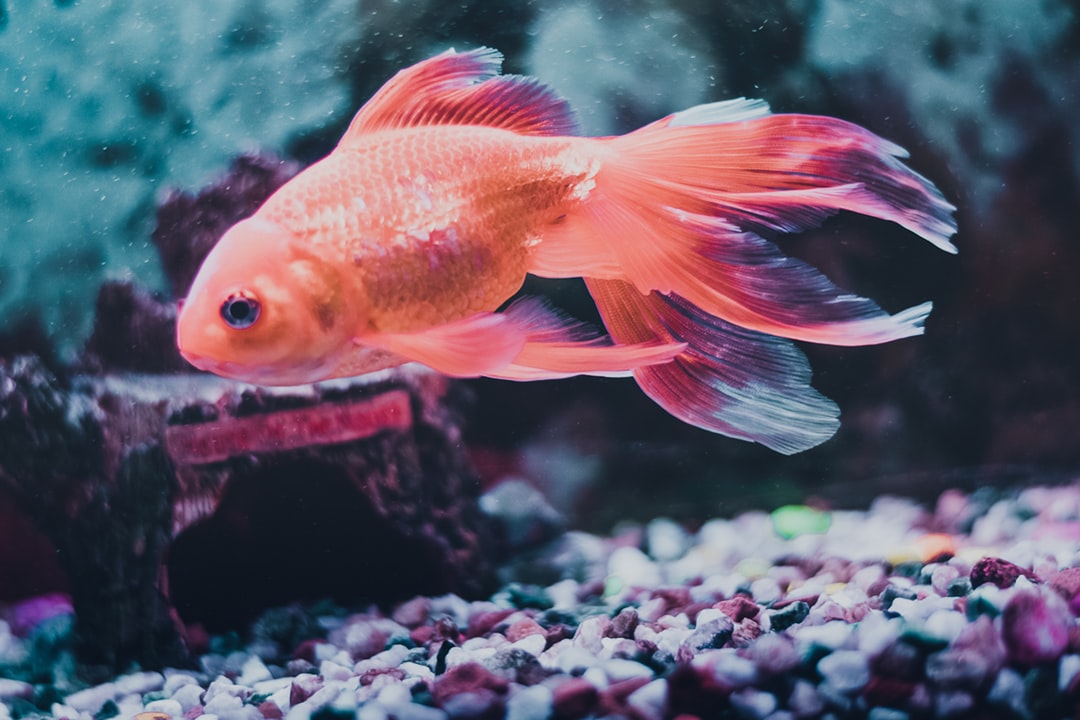
Symptoms
- Floating at the surface, unable to swim down.
- Sinking to the bottom and struggling to rise.
- Swimming sideways, upside down, or in an unbalanced way.
- A curved or swollen belly (in constipation or infection cases).
The common causes
1. Constipation (most common). Overfeeding, especially dry flake that swells in the gut, presses on the swim bladder. Fancy goldfish and bettas are especially prone.
2. Bacterial infection. An infection of the swim bladder itself, often following poor water quality.
3. Diet. A flake-only diet causes chronic swim bladder issues in bettas and goldfish, which are not built for it.
4. Physical deformity. Some heavily line-bred fancy strains (fancy goldfish, balloon mollies) are born with compromised swim bladders — not treatable.
5. Ammonia damage. Poor water quality can permanently damage the swim bladder — see how to reduce ammonia.
How to treat it
Step 1 — Fast the fish for 2–3 days. This clears constipation, the most common cause.
Step 2 — Feed a blanched, deshelled pea. On day three, offer a small piece of cooked pea (skin removed, mashed). The fibre helps clear the gut.
Step 3 — Raise the temperature slightly to 26–27 °C to aid digestion.
Step 4 — If no improvement after 5 days, treat for bacterial infection with Waterlife Myxazin, removing carbon from the filter first.
Test water throughout — see test kits.
How to prevent it
- Feed only what fish clear in two minutes, with a weekly fasting day.
- Feed sinking food to bottom-oriented fish, and pre-soak floating pellets for bettas.
- Vary the diet — see best fish food.
- Keep water quality high with weekly water changes.
Frequently asked questions
What causes swim bladder disease in fish?
The most common cause is constipation from overfeeding, particularly dry flake that swells in the gut. Other causes are bacterial infection, poor diet, ammonia damage, or a genetic deformity in some fancy strains.
How do you treat swim bladder disease?
Fast the fish for 2–3 days, then feed a small piece of blanched, deshelled pea to clear constipation. If it does not improve after five days, treat for bacterial infection and check water quality.
Can a fish recover from swim bladder disease?
Yes, if the cause is constipation or a treatable infection — most recover within days. Cases caused by permanent ammonia damage or genetic deformity in fancy strains may not be curable.
— Jaqline Smalling, FishForever
Leave a Reply