
Disclosure: This article contains affiliate links. As an Amazon Associate we earn from qualifying purchases, at no extra cost to you. We only recommend products we believe in. See our affiliate disclosure.
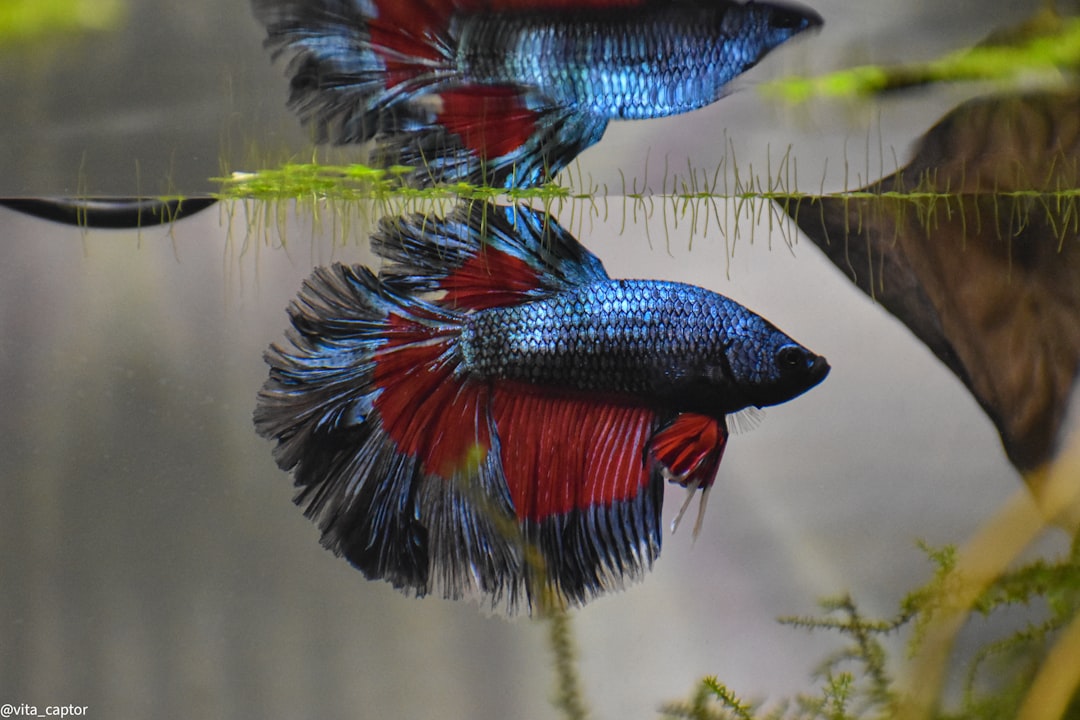
Few fish are as misunderstood as the betta. Sold in tiny cups and marketed for bowls and desktop ‘cubes’, the betta has a reputation as a disposable, low-maintenance pet — and that reputation kills millions of them. The truth is almost the opposite: give a betta a proper home and it becomes one of the most personable, long-lived and rewarding fish you can keep, recognising its owner, patrolling its territory, and building bubble nests when it’s happy.
This guide cuts through the myths and shows you exactly what a betta tank needs, which tanks are genuinely worth buying in the UK in 2026, and how to set one up so your betta thrives for years rather than weeks. Whether you’re buying your first betta setup or upgrading from a bowl, everything you need to make the right choice is here.
- A betta needs a heated, filtered, cycled tank of at least 20 litres — bowls and unheated cubes are the leading cause of early betta death.
- Gentle filtration matters more than power: strong flow shreds a betta's long fins, so look for adjustable or baffled flow.
- The Fluval Spec and Fluval Flex are the standout all-in-one betta tanks; a rimless nano with a small sponge filter is the best budget route.
- Budget for the whole setup, not just the tank: a heater, thermometer, gentle filter, lid and live or silk plants are all essential.
- Set the tank up and cycle it before the betta arrives — patience here prevents most of the problems new betta keepers face.
Why bowls and 'betta cubes' fail
The single biggest myth in fishkeeping is that bettas are happy in tiny containers because, in the wild, they live in ‘puddles’. This is wrong on two counts. Wild bettas live in vast, warm, plant-choked rice paddies and slow streams — shallow, yes, but enormous in volume and biologically stable. And they are cold-blooded tropical animals from a climate nothing like a British living room.
A small, unheated, unfiltered container fails a betta in three ways at once. Temperature swings stress the fish and suppress its immune system — a betta needs a stable 24–28 °C, and a small volume of water lurches up and down with the room. Water quality crashes because there’s no filter and no beneficial bacteria to process the ammonia from waste, so toxins build up fast in a small volume. And there’s simply no room for the enrichment — plants, caves, swimming space — that keeps an intelligent fish mentally healthy.
This is why bettas kept in bowls so often die within weeks or months, while the same fish in a proper tank routinely lives three to five years. The counter-intuitive truth every experienced keeper learns: a bigger tank is easier to keep stable, not harder. More water dilutes waste and holds temperature steady, forgiving the small mistakes every beginner makes.
What a betta tank actually needs
Before looking at specific tanks, it helps to know the non-negotiables. Every one of these matters, and a ‘betta kit’ that’s missing any of them will cost you more in the long run — in replacement fish and in stress.
At least 20 litres of water
Twenty litres is the sensible minimum for a single betta; 40 litres or more is better and opens up the option of a few peaceful tank mates. Ignore the ‘5-litre betta tank’ marketing — those volumes are too small to stay stable and too cramped for a fish that likes to patrol.
A reliable heater
Bettas are tropical and need a stable 24–28 °C. In a UK home that means a thermostatic heater is essential, not optional — an unheated tank drifting to room temperature is a slow death for a betta. A small 25–50W heater suits most betta tanks, paired with a separate thermometer so you can verify the temperature rather than trusting the dial. See our heater guide for choosing the right wattage.
Gentle filtration
This is where betta keeping is different from most fish. A betta’s long, flowing fins are beautiful but they act like sails — strong filter flow exhausts the fish, tears its fins, and can cause fin damage that invites fin rot. You still need a filter (it houses the beneficial bacteria that keep water safe), but it must be gentle. Look for a filter with adjustable flow, or plan to baffle the outflow. A sponge filter run off a small air pump is the gentlest option of all and a favourite for betta tanks.
A secure lid
Bettas jump — it’s how they move between pools in the wild. A well-fitted lid (with the small gaps for feeding and cables covered) prevents the heartbreak of finding your fish on the floor. It also traps a layer of warm, humid air above the water, which bettas need for their labyrinth organ.
Cover and enrichment
Bettas are territorial and a little shy; they feel safest in a planted tank with places to rest and hide. Live plants are ideal — see our plant guide — but soft silk plants are a fine alternative. Avoid hard plastic plants, which snag and tear fins. Many keepers add Indian almond leaves, which release gentle tannins that bettas love and that have mild antibacterial benefits.
How we chose these tanks
There are dozens of nano tanks on the UK market, and plenty are perfectly good aquariums that happen to be poor betta homes — usually because the built-in filter blasts too hard, or the tank is simply too small. We prioritised tanks that get the betta-specific things right: adequate volume, gentle or adjustable filtration, a proper lid, and decent lighting for plants. We also weighted ease of setup heavily, because most betta keepers are relatively new to the hobby and an all-in-one tank that hides the equipment neatly removes a lot of friction.
No tank here is recommended on looks alone, and none is a bowl or a sub-20-litre ‘cube’. Every pick can be turned into a genuinely good betta home with the addition of a heater and, in some cases, a gentle tweak to the flow.
The best betta tanks in the UK for 2026
Best overall: Fluval Spec
The Fluval Spec has become something of a default betta tank for good reason. It’s a smart, rimless glass tank with a neatly hidden three-stage filter, good LED lighting for plants, and an understated design that looks at home on a desk or shelf. The one thing to do out of the box is reduce the flow — the return is a little brisk for a betta — which is easily done by adjusting the outflow or adding a small pre-filter sponge. Add a heater and you have an excellent, low-fuss betta home.
Best for: beginners who want a tidy, attractive all-in-one. Watch: soften the flow; buy a heater separately.
Best for planted setups: Fluval Flex
The Fluval Flex steps up the volume and comes with a genuinely useful adjustable flow, plus a curved-front design and colour-adjustable LED that make planted layouts look superb. The extra water volume makes it more forgiving than smaller tanks, and the gentler, controllable output suits a betta without modification. It’s our pick for anyone who wants to grow live plants and give their betta a proper aquascape.
Best for: keepers who want a planted betta tank with room to spare. Watch: still add a heater.
Best budget route: rimless nano + sponge filter
You don’t have to buy an all-in-one. A simple rimless 20–30 litre nano tank paired with a sponge filter and a small air pump is the cheapest genuinely-good betta setup, and the sponge filter gives the gentlest flow of any option. You’ll need to add a heater, a light if you want plants, and a lid, but the total is often less than a branded kit and the result is arguably better for the fish.
Best for: hands-on keepers and anyone on a budget. Watch: you’re assembling the parts yourself.
Best larger tank: 40–60 litre all-in-one
If you’d like the option of a small community around your betta — a few peaceful bottom feeders or a shoal of tiny rasboras — step up to a 40–60 litre all-in-one. The larger volume is the most stable of all and gives you far more scope for planting and tank mates. See our nano aquarium guide for the wider options. Just remember bettas can be territorial, so choose tank mates carefully.
Best for: keepers who want a betta plus a few calm companions. Watch: not every betta tolerates tank mates.
At-a-glance comparison
| Tank | Volume | Filtration | Flow for bettas | Best for |
|---|---|---|---|---|
| Fluval Spec | ~19–34 L | Built-in 3-stage | Reduce slightly | Tidy all-in-one |
| Fluval Flex | ~34–57 L | Built-in, adjustable | Good out of box | Planted setups |
| Rimless + sponge | 20–30 L | Sponge filter | Gentlest | Budget / hands-on |
| 40–60 L all-in-one | 40–60 L | Built-in | Usually adjustable | Betta + companions |
Setting up your betta tank, step by step
- Rinse everything — substrate, decor and the tank itself — in plain water, never soap.
- Add substrate, hardscape and plants, then fill with dechlorinated water. Use a good water conditioner to neutralise tap-water chlorine.
- Install and run the heater and filter, and set the heater to 25–26 °C. Verify with a thermometer.
- Cycle the tank before the betta arrives. This is the step most people skip and most regret. A fishless cycle grows the beneficial bacteria that make the water safe — see our full guide to cycling a fish tank. A bottled bacteria starter speeds it up.
- Test the water with a test kit and only add your betta once ammonia and nitrite read zero.
- Acclimate the betta slowly — see how to acclimate new fish — then dim the lights and let it settle.
Common mistakes new betta keepers make
- Skipping the cycle and adding the betta to a brand-new tank, causing new tank syndrome.
- Too much flow from an unbaffled filter, leaving the betta pinned in a corner or with ragged fins.
- No heater, or trusting the room to stay warm enough — it never does in a UK winter.
- Overfeeding. A betta’s stomach is tiny; feed a small amount once or twice a day and include a weekly fasting day to prevent bloating and swim bladder problems.
- Hard plastic plants that tear fins — use silk or live plants instead.
The accessories you'll also need
Budget for the whole setup, not just the tank. Alongside the aquarium you’ll want a heater, a thermometer, a water conditioner, a quality betta food, and a gravel siphon for water changes. Optional but loved by bettas: Indian almond leaves and a soft planted layout. For the full care routine once your betta is home, see our complete betta care guide.
Frequently asked questions
What is the best tank size for a betta?
At least 20 litres for a single betta, and 40 litres or more if you'd like a few peaceful tank mates. Larger volumes are more stable and forgiving, which is why they're actually easier to keep than tiny bowls or cubes.
Can a betta live in a bowl?
No. Bowls have no heater or filter and too little water to stay stable, so temperature swings and ammonia build-up stress and shorten the life of the fish. Bettas kept in bowls often die within weeks, while the same fish in a proper heated, filtered tank lives three to five years.
Do betta tanks need a filter?
Yes — the filter houses the beneficial bacteria that keep water safe. The key is that the flow must be gentle, because a betta's long fins are easily damaged by strong current. A sponge filter or an adjustable filter is ideal.
What is the best betta tank in the UK?
The Fluval Spec is the best tidy all-in-one, and the Fluval Flex is excellent for planted setups with its adjustable flow. For a budget route, a rimless nano tank with a sponge filter gives the gentlest flow of all. Every option needs a heater added.
Do bettas need a heater in the UK?
Yes. Bettas are tropical and need a stable 24–28 °C, which a UK home rarely maintains on its own. A small thermostatic heater is essential, paired with a thermometer to verify the temperature.
Can bettas have tank mates?
Sometimes — in a tank of 40 litres or more, many bettas tolerate calm, non-nippy companions like corydoras, small rasboras or snails. But temperament varies between individuals, and some bettas must live alone. Always have a backup plan if it doesn't work out.
— Jaqline Smalling, FishForever
Leave a Reply