
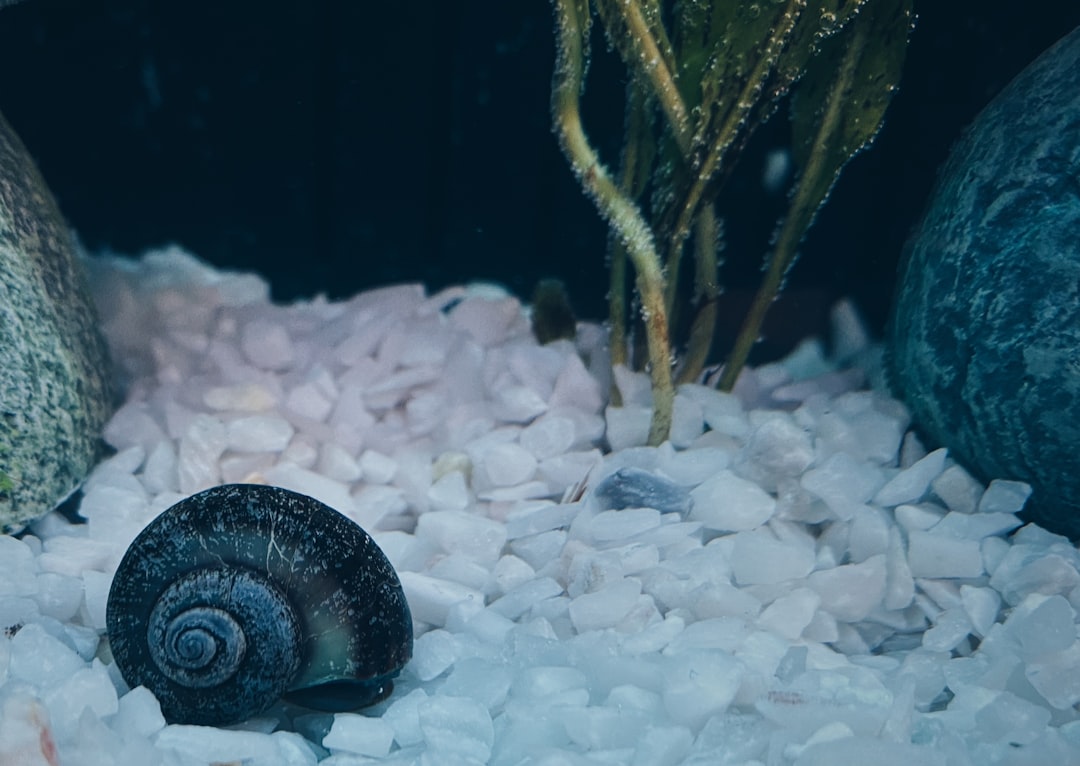
Mystery snails (Pomacea bridgesii) are the friendly giants of the snail world — golden, blue, ivory or black, up to 5 cm across, and endlessly entertaining as they glide over the glass. Unlike pest snails they don’t overrun the tank, and they make a peaceful, useful cleanup crew for a community or shrimp aquarium.
Here is how to keep them.
- Mystery snails are large, colourful, peaceful snails that don't overrun the tank.
- They need adequate hardness and calcium for a strong shell — add cuttlebone in soft water.
- Supplement their diet with algae wafers and blanched vegetables.
- They lay egg clutches above the waterline, making breeding easy to control.
Quick facts
- Adult size: up to 5 cm
- Tank size: 40 litres and up
- Water: pH 7.0–8.0, medium to hard, 20–28 °C
- Lifespan: 1–2 years
- Temperament: peaceful
Water and calcium
Mystery snails need adequate hardness and calcium to build a strong shell — soft, acidic water causes shells to pit and erode. Ensure a good GH (see what is GH) and offer cuttlebone as a calcium source. Fit a lid — they climb and can escape.
Feeding
They graze algae and biofilm but need supplementary food in a clean tank: algae wafers, blanched vegetables (courgette, spinach) and leftover fish food. Never use copper medications, which are fatal to snails.
Breeding and tank mates
Unlike pest snails, mystery snails lay eggs in a clutch above the waterline, so breeding is easy to control — simply remove the clutch if you don’t want more. Safe with peaceful fish and shrimp; avoid loaches, pufferfish and cichlids that eat snails.
Frequently asked questions
Do mystery snails multiply like pest snails?
No. Mystery snails lay their eggs in a clutch above the waterline, so their breeding is easy to control — just remove the clutch. They do not explode in numbers like bladder or ramshorn snails.
What do mystery snails eat?
They graze algae and biofilm and need supplementary food in a clean tank — algae wafers, blanched vegetables like courgette and spinach, and leftover fish food.
Why is my mystery snail's shell cracking or pitting?
Usually a lack of calcium and hardness in soft, acidic water. Raise the GH and offer a calcium source such as cuttlebone to support healthy shell growth.
— Jaqline Smalling, FishForever
Leave a Reply