
Short answer: 24–26°C for a mixed UK tropical community tank. That’s your default.
The more useful answer is: it depends on what you’re keeping. This guide covers the correct temperature range for common UK tropical species, the exceptions (discus and shrimp are edge cases), what to do when your tank is too hot in summer or too cold in winter, and how to make sure your temperature is actually what you think it is.
This article contains affiliate links. If you buy through one of them, FishForever earns a small commission at no cost to you. We only recommend products we’d use ourselves. See our Affiliate Disclosure.
The default: 24–26°C
For a standard UK community tank containing danios, tetras, corydoras, mollies, guppies, platies, bristlenose plecs — 25°C (±1°C) is ideal. Most fish stocked in UK community setups are happy anywhere in the 22–28°C range but they perform best (colour, appetite, lifespan) in the middle of that.
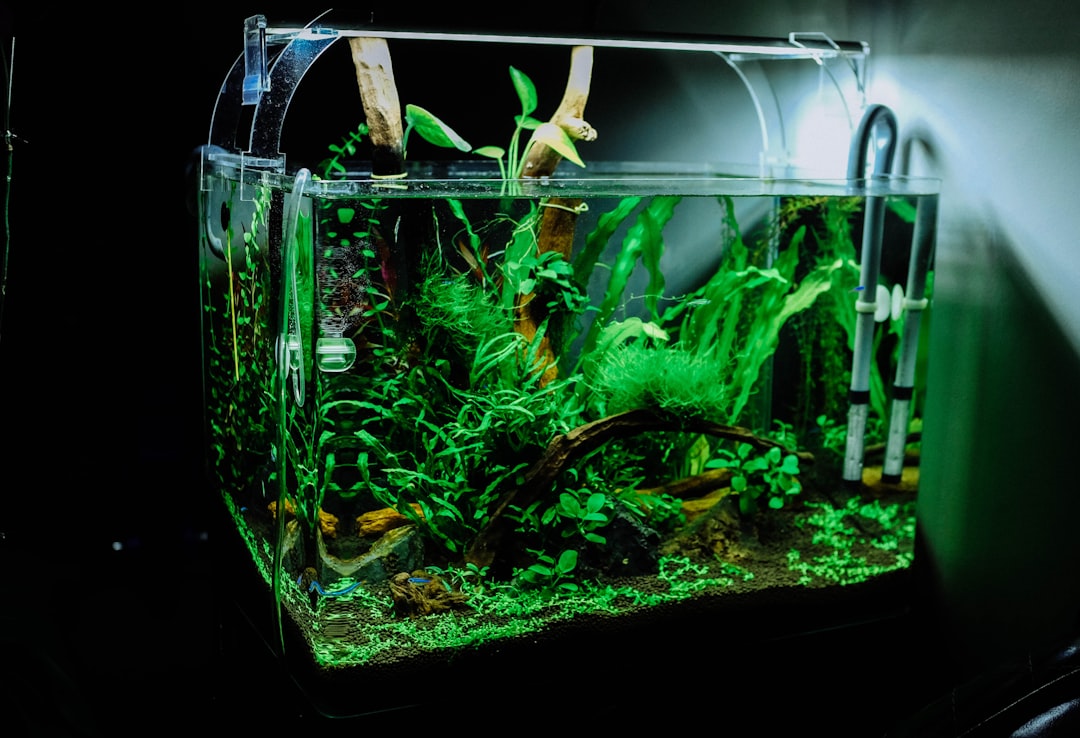
Set your adjustable aquarium heater to 25°C. Confirm with a digital aquarium thermometer placed opposite the heater (measuring the coolest point of the tank). Check weekly.
Temperature by species
Slightly different species have slightly different sweet spots. If you’re keeping mixed species, aim for the overlap.
Species that prefer the lower end (22–25°C)
- Zebra danios — technically temperate, uncomfortable above 27°C. Live longer at 22–24°C. See our zebra danio guide.
- White cloud mountain minnows — sub-tropical, ideal at 20–23°C.
- Corydoras (most species) — happier at 23–25°C. Higher temps stress them, especially the popular C. paleatus.
- Rainbowfish (dwarf and neon) — 22–26°C.
- Goldfish — NOT tropical. 15–22°C. Don’t put them in a heated tank.
Species that prefer the mid range (24–26°C)
- Neon tetras, cardinal tetras, ember tetras — cardinals prefer slightly warmer (26–27°C) than neons.
- Guppies, mollies, platies, endlers — see our livebearer guide and our mollies guide.
- Bristlenose plecs — see our ancistrus guide.
- Ghost shrimp — see our ghost shrimp guide.
- Cherry shrimp — happy at 22–26°C. See our cherry shrimp guide.
Species that prefer the upper end (26–29°C)
- Discus — 28–30°C. Non-negotiable. Cool water kills them within months.
- Ram cichlids (blue rams, gold rams) — 27–29°C. Cool water invites disease.
- Cardinal tetras — 26–28°C. Warmer than neons.
- Angelfish — 26–28°C ideal.
- Kuhli loaches — 26–28°C. See our kuhli guide.
- Betta splendens — 26–28°C. Cold water kills bettas quicker than most beginners realise. See our betta care guide.
The tricky mixes
Some common community stocking has hidden temperature conflicts:
- Zebra danios + neon tetras + kuhli loaches — danios want 22–24°C, kuhlis want 27°C. Compromise at 25°C means both mildly stressed.
- Cardinal tetras + corydoras — cardinals want warm (27°C), corys want cool (24°C). Not a great match despite both being “community fish”.
- Bettas + shrimp — bettas prefer 27°C; shrimp are fine but slightly reduced breeding.
If you find yourself trying to keep species with clashing needs, either restock (drop the outliers) or accept the compromise and don’t overstock.
The 30°C exception: treatment temperatures
During ich (white spot) treatment, we raise the tank temperature to 30°C to speed up the parasite’s life cycle and force it out of its invulnerable stage. This is:
- Fine for community fish for the 14 days of treatment.
- Not fine long-term — sustained above 28°C stresses most tropical fish and reduces lifespan.
- Dangerous for cold-water species in the tank at the time (dojo loaches, goldfish, white clouds) — remove them to a separate tank during treatment.
Signs your temperature is wrong
Too cold (below 22°C for a tropical tank):
- Fish lethargic, hanging near the heater or in the warmest part of the tank
- Reduced appetite, food untouched at feeding time
- Increased susceptibility to ich and columnaris
- Slow-moving, colours dulled
- Breathing rate slowed
Too hot (above 30°C for extended periods):
- Fish gasping at the surface constantly (warm water holds less oxygen)
- Rapid gill movement
- Increased ammonia (bacterial activity spikes)
- Fish stressed, hiding
- Faster onset of disease
- In extreme cases: sudden fish deaths, especially oxygen-sensitive species (loaches, catfish, tetras)
Summer heat — UK-specific problem
UK homes rarely have AC. During July–August heatwaves, aquarium temperatures can climb to 30°C+, which stresses everything.
Emergency cooling techniques:
- Remove the tank lid or lift it slightly to allow evaporation. Evaporative cooling drops temperature 1–2°C.
- Air stones + air pump — increases surface agitation, boosts oxygen (warm water holds less O2), evaporative cooling. Small aquarium air pump + air stones is essential UK summer kit.
- Aim a small fan at the water surface — dropped temperatures by 2–3°C in our tests during the 2022 heatwave.
- Floating ice bottles — freeze a plastic bottle of dechlorinated water, float in the tank. Effective for 4–6 hours. Do NOT use tap water in the bottle (chloramine leaks out when it thaws).
- Do 25% water change with room-temperature water — cools the tank temporarily. Don’t shock with cold tap water.
- Aquarium cooling fan — clips to the tank rim, evaporative cooling, 2–4°C reduction. £15–£30.
Never pour cold tap water directly into a hot tank. Temperature shock kills fish faster than heat.
Winter cold — the more common UK problem
UK homes in December-February often drop to 12–15°C overnight. Undersized heaters can’t recover — the tank cools to room temperature.
How to check:
- Digital thermometer showing daily fluctuation more than 2°C = heater under-powered or failing.
- Fish sluggish in the mornings, active by evening = tank cooling overnight.
Fixes:
- Upgrade to a bigger heater — use the wattage table in our heater guide.
- Redundancy — for larger tanks, run two heaters at 60% each. If one fails the other keeps the tank alive.
- Insulate the tank back and sides with cork tiles or aquarium insulation — reduces heat loss by 20–30%.
- Cover the tank — a proper lid reduces evaporative heat loss dramatically vs an open-top setup.
Making sure the temperature is actually right
Heater thermostats drift. The dial might say 25°C but the actual water is 22°C or 28°C.
Verify with two independent sources:
- Digital thermometer placed opposite the heater. £5–£10.
- Floating alcohol thermometer as backup (never mercury — banned in UK aquatic trade).
- Weekly check at the same time of day.
If your two thermometers disagree by more than 0.5°C, one is wrong. Test in a glass of tap water compared to a kitchen thermometer to work out which.
Never trust “stick-on” LCD strips on the outside of the tank. They read the glass temperature, which is affected by room temperature and can be 2–3°C off from actual water temperature.
Temperature-related equipment failures
Heater stuck ON — tank keeps warming past setpoint. Fish start gasping. Unplug immediately, do a 25% water change with room-temperature water to bring it down. Replace heater.
Heater stuck OFF — tank cools to room temperature. If mid-winter, this can drop fish into low-single-digits within a day. Emergency: unplug the failed heater, install a backup heater immediately, then do gradual warm-up water changes over 24 hours (2°C per hour maximum warming rate).
Silent thermostat drift — no obvious failure but temperature slowly climbs or drops over weeks. Only detectable with regular thermometer checks. This is why the weekly check matters.
Bottom line
25°C ± 1°C for a mixed UK tropical community tank. Higher for discus (28–30°C), betta (26–28°C), rams (27–29°C). Lower for danios and corydoras (23–25°C).
Buy an adjustable heater sized to 1W per litre (1.5W per litre for unheated rooms), verify with a digital thermometer, and check weekly. Keep a backup heater in a cupboard for emergencies.
Small changes in temperature over hours are fine — fish handle 2°C swings without stress. Sudden 5°C+ swings kill fish. Stability is what you’re chasing.
Related: best aquarium heater UK 2026, how to cycle a fish tank, ich treatment (uses 30°C heat therapy), betta fish care (needs warm).
— Jaqline Smalling, FishForever
Leave a Reply