
Disclosure: This article contains affiliate links. As an Amazon Associate we earn from qualifying purchases, at no extra cost to you. We only recommend products we believe in. See our affiliate disclosure.
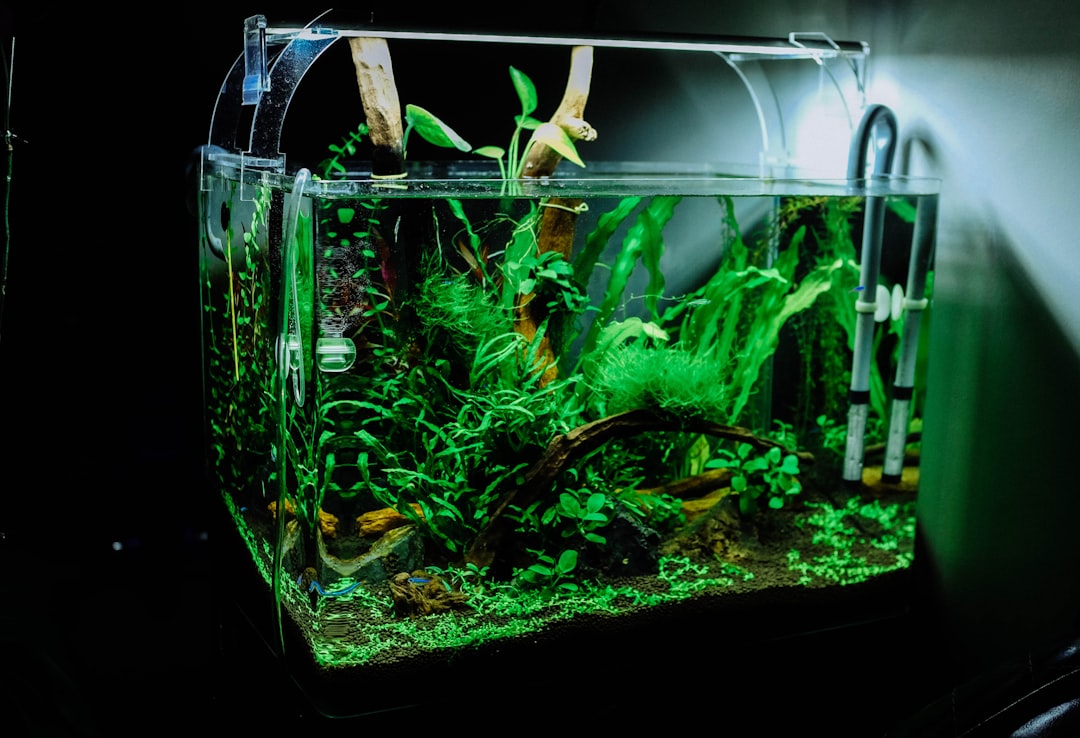
If there’s one upgrade that transforms a planted aquarium, it’s CO2. Plants are built from carbon, and in a typical tank the amount dissolved in the water is the factor limiting their growth. Add a controlled supply of carbon dioxide and everything changes: growth accelerates, colours deepen, red plants turn genuinely red, and carpeting species finally form the dense lawns you see in competition aquascapes.
But CO2 also raises the stakes. It’s the difference between low-tech and high-tech planted keeping, it must be balanced against light and nutrients, and it has to be dosed safely because too much harms fish. This guide explains when you actually need CO2, compares the kit worth buying in the UK in 2026, and shows you how to run it safely for spectacular plant growth.
- CO2 is the single biggest upgrade for plant growth, colour and density — it's what separates a decent planted tank from a lush, carpeted aquascape.
- Carpeting plants and vivid red plants effectively require injected CO2; hardy low-tech plants do not.
- A pressurised kit with a refillable cylinder is the best long-term system; a disposable-cylinder kit is the easiest start for a nano tank; DIY is the cheapest way to try it.
- Always run CO2 on a timer tied to your lights, and use a drop checker to confirm a safe green level — too much CO2 can suffocate fish.
- CO2 raises your tank's demands: match it with strong light and fertiliser, or you'll grow algae instead of plants.
Do you actually need CO2?
Be honest with yourself before you buy, because CO2 is a commitment. You do not need it for a low-tech tank of hardy plants — Java fern, Anubias, crypts, mosses and many stems grow perfectly well without it. If your goal is a green, natural planted tank that’s easy to maintain, skip CO2 and focus on good light and fertiliser.
You do need CO2 if you want a carpeting plant to form a dense lawn, if you want vivid red and demanding species, or if you want the fast, lush growth of a high-tech aquascape. In those cases CO2 isn’t optional — strong light without matching CO2 simply grows algae. Decide which kind of tank you want, and buy accordingly.
The three types of CO2 system
Pressurised (refillable cylinder)
The gold standard. A refillable CO2 cylinder feeds a regulator and solenoid, giving precise, consistent injection you control to the bubble. A pressurised CO2 kit costs more up front but is far cheaper to run over time (you just refill the cylinder), and it’s the only system that reliably supplies a large or demanding tank. This is what serious aquascapers use.
Disposable-cylinder kits
An all-in-one system running off small screw-in disposable cartridges. A disposable-cylinder CO2 kit is the easiest way into pressurised CO2 for a nano or small planted tank — compact, no big cylinder to store, and simple to set up. The trade-off is ongoing cost, as the cartridges run out and aren’t refillable, so it’s best for smaller tanks.
DIY (yeast or citric acid)
The cheapest way to try CO2. A DIY CO2 kit — or a home-made yeast-and-sugar or citric-acid setup — generates CO2 through a chemical reaction. It’s inconsistent (output fades as the reaction ages) and fiddly to maintain, but it’s a great, low-risk way to see what CO2 does for your plants before committing. Our full DIY CO2 guide covers both methods step by step.
What else you'll need
Whatever system you choose, a couple of accessories make CO2 safe and effective. A drop checker is essential — this simple glass gauge changes colour to show your CO2 level (green is the target; yellow means dangerously high). A diffuser breaks the gas into fine bubbles the plants can absorb, and on a pressurised system a solenoid on a timer switches the CO2 off at night automatically.
The best CO2 kits in the UK for 2026
Best overall: pressurised kit with refillable cylinder
A complete pressurised CO2 system with a quality regulator, solenoid and refillable cylinder is the best long-term choice for any serious planted tank. The precision and consistency are on another level from DIY, running costs are low once you’re set up, and one cylinder lasts a small tank months. This is the system to buy if you know you want a proper aquascape.
Best for beginners and nano tanks: disposable-cylinder kit
For a first planted nano or someone testing the waters, a disposable-cylinder kit is the easiest possible start — compact, tidy and simple. You’ll pay more per unit of CO2, but the low commitment and small footprint make it ideal for a nano tank on a desk or shelf.
Best budget experiment: DIY kit
If you’re curious but not ready to invest, a DIY CO2 kit lets you see the effect for very little outlay. It won’t give the consistency of a pressurised system, but it’s a genuinely useful way to learn how your plants respond before spending more.
At-a-glance comparison
| System | Consistency | Running cost | Best tank size | Best for |
|---|---|---|---|---|
| Pressurised (refillable) | Excellent | Low | Any, esp. large | Serious aquascapes |
| Disposable cylinder | Good | Higher | Nano / small | Easy start |
| DIY (yeast/citric) | Variable | Very low | Small | Trying it out |
Running CO2 safely
CO2 is powerful, and too much displaces oxygen and can suffocate your fish — so a few habits are essential.
- Run it on a timer, switching on an hour before the lights and off an hour before lights-out — plants only use CO2 in light, so night-time injection just gasses your fish.
- Use a drop checker and aim for a stable green. Yellow means too much — turn it down.
- Increase gradually, a bubble at a time over days, watching your fish. Gasping at the surface means back off immediately.
- Add surface agitation overnight if needed to keep oxygen up — see increasing oxygen.
Balancing CO2 with light and nutrients
The most common mistake after adding CO2 is forgetting that it raises the whole tank’s demands. Fast-growing plants now need more light and more nutrients — if light or fertiliser lags behind, the excess drives algae instead of growth. Think of light, CO2 and nutrients as three legs of a stool: raise one and you must raise the others. Pair your CO2 with a good plant light and regular fertiliser, and watch for algae as your early-warning signal.
Frequently asked questions
Do I need CO2 for a planted aquarium?
Not for hardy low-tech plants like Java fern, Anubias and crypts, which grow well without it. But for carpeting plants, vivid red species and fast high-tech growth, injected CO2 is effectively essential — strong light without CO2 just grows algae.
What is the best CO2 system for a beginner?
A disposable-cylinder all-in-one kit is the easiest start for a small or nano tank, while a DIY yeast or citric-acid kit is the cheapest way to try CO2 before committing. A refillable pressurised system is the best long-term choice once you're sure.
Can CO2 kill fish?
Yes, if overdosed — too much CO2 reduces available oxygen and can suffocate fish. Always run CO2 on a timer tied to your lights, use a drop checker to keep levels in the safe green range, and increase gradually while watching your fish.
How do I know if my CO2 level is right?
Use a drop checker — a small glass gauge that changes colour with CO2 concentration. Green indicates a good, safe level; blue means too little and yellow means dangerously high. Adjust the bubble rate to hold a stable green.
Why am I getting algae after adding CO2?
Almost always because light, CO2 and nutrients are out of balance. Adding CO2 raises the tank's demand for light and fertiliser; if those lag, the surplus feeds algae. Match all three and dose fertiliser consistently.
Is a pressurised CO2 kit worth it?
For a serious planted tank, yes. It gives precise, consistent injection, is cheap to run once set up, and is the only system that reliably supplies larger tanks. Disposable and DIY kits suit smaller tanks or trying CO2 out.
— Jaqline Smalling, FishForever
Leave a Reply