
Fin rot is the most common ailment in betta fish because of their long, delicate fins. It shows as ragged, receding or blackening fin edges, and it is almost always triggered by poor water quality rather than contagion. The good news: caught early and with the water corrected, most cases heal without medication.
Here is how to spot it, treat it, and stop it coming back.
- Betta fin rot shows as ragged, blackening, receding fin edges.
- It is almost always caused by poor water quality, not contagion.
- Mild cases heal with clean water alone; persistent cases need an antibacterial like NT Labs Anti-Fin Rot.
- Prevent it with a heated, cycled 20-litre-plus tank, weekly water changes and gentle flow.
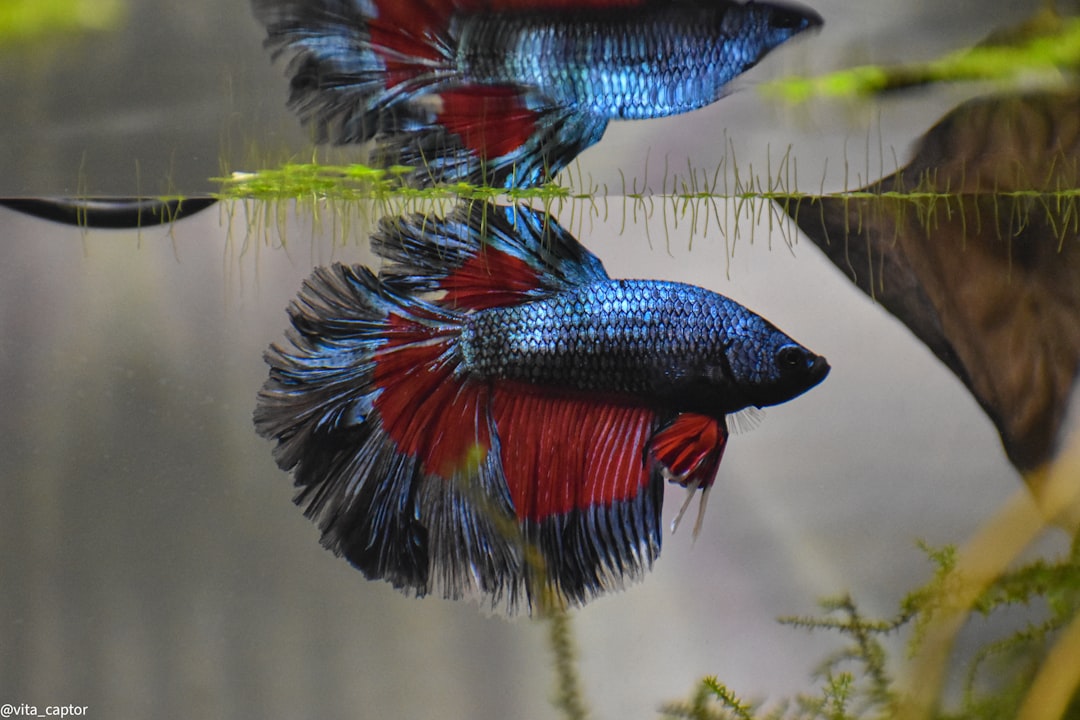
Signs of betta fin rot
- Fin edges look ragged, as if trimmed with dull scissors.
- White, black or brown discolouration along the fin margins.
- Fins visibly shrinking or receding over days.
- In advanced cases, the rot reaches the body and red inflamed areas appear.
Distinguish it from fin-biting (clean bites with no discolouration) and from normal fin damage on decor.
How to treat it
Step 1 — Test and improve water quality. This is the real cure. Test ammonia, nitrite and nitrate, and do a 50% water change. In an under-cycled or dirty tank, clean water alone reverses mild fin rot.
Step 2 — Ensure the tank is heated and cycled. Bettas need 24–28 °C in a filtered, cycled tank of at least 20 litres — see betta care.
Step 3 — For persistent or advancing cases, treat with NT Labs Anti-Fin Rot & Fungus or Waterlife Myxazin, removing carbon from the filter first.
Step 4 — Add Indian almond leaves. Catappa leaves release mild antibacterial tannins bettas love.
See our full fin rot treatment guide for the community-tank version.
Preventing betta fin rot
- Keep the betta in a heated, filtered, cycled 20-litre-plus tank.
- Do weekly 25% water changes.
- Avoid sharp decor and fin-nipping tank mates.
- Keep flow gentle — strong current damages long fins.
Frequently asked questions
What causes fin rot in bettas?
Poor water quality is the usual trigger — an uncycled, dirty, cold or undersized tank stresses the betta so opportunistic bacteria attack its fins. Fixing the water reverses most mild cases.
How do you treat betta fin rot?
Test and improve water quality with a 50% change, ensure the tank is heated and cycled, and for persistent cases treat with NT Labs Anti-Fin Rot & Fungus or Waterlife Myxazin. Indian almond leaves also help.
Will betta fin rot heal on its own?
Mild fin rot heals once water quality is corrected, and the fins regrow over weeks. Advanced rot that has reached the body needs antibacterial medication to stop it spreading.
— Jaqline Smalling, FishForever
Leave a Reply