
If you’ve already read our ghost shrimp guide, you’ll recognise the pitch: cheap invertebrate, low maintenance, adds movement to the bottom of the tank. Cherry shrimp do all of that better, and — critically — they actually breed successfully in freshwater UK tanks. Ghost shrimp don’t. That single difference makes cherry shrimp the correct beginner-friendly shrimp for almost every UK aquarist.
A colony of red cherry shrimp in a well-planted tank is one of the small pleasures of the hobby. Twenty adults today become forty in two months, eighty in four, and eventually a self-sustaining population that produces surplus you can sell or give away. This guide covers exactly what they need to get there.
This article contains affiliate links. If you buy through one of them, FishForever earns a small commission at no cost to you. We only recommend products we’d use ourselves. See our Affiliate Disclosure.
What they are
Neocaridina davidi — a small freshwater shrimp originally from Taiwan. The wild-type colour is a brown mottled camouflage; every colourful strain sold as “cherry” (red), “yellow neocaridina”, “blue dream”, “chocolate”, “green jade”, “orange sakura”, “black rose” is the same species selectively bred for colour. They interbreed freely, which matters for keeping your colours pure — more on this below.
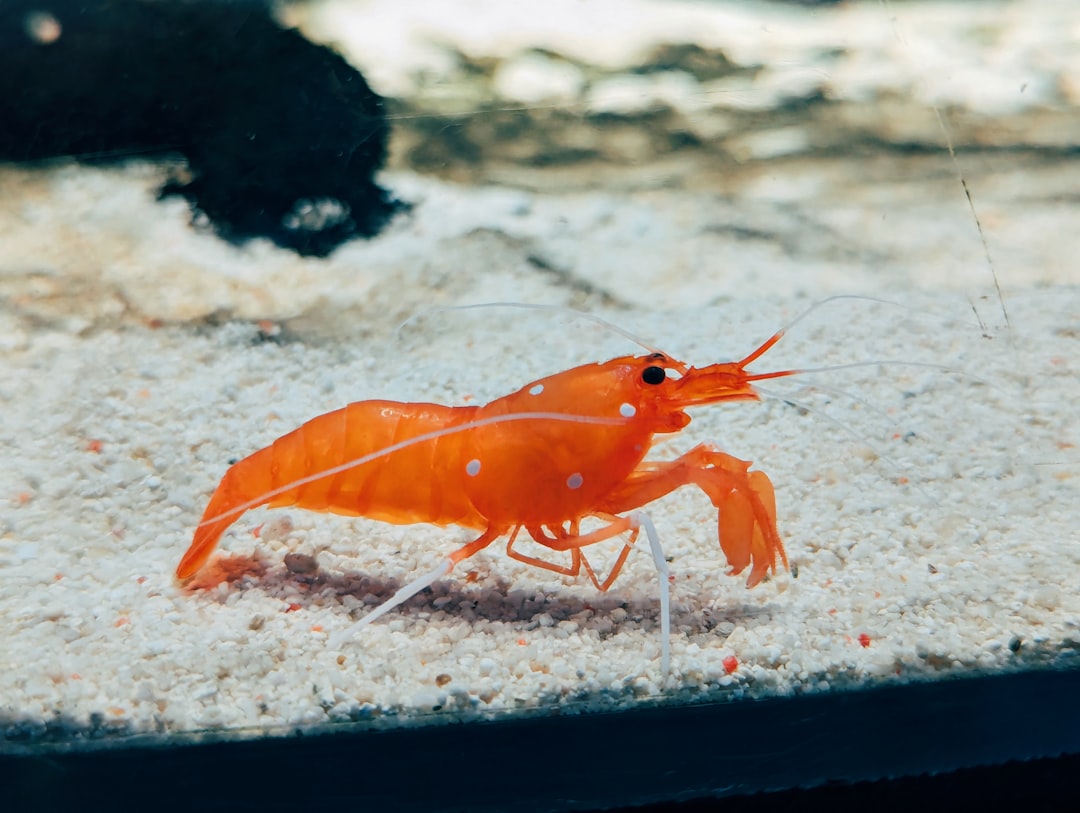
Do not confuse with Caridina shrimp (crystal reds, tigers, taiwan bees) — completely different species, much harder to keep, needs specialist water. If a shop tells you a shrimp is “just a shrimp”, it isn’t. Ask which genus.
Quick facts
- Scientific name: Neocaridina davidi (formerly N. heteropoda)
- Common names: Red cherry shrimp (RCS), cherry shrimp, neocaridina, sakura
- Adult size: 2.5–4 cm (females larger than males)
- Lifespan: 12–24 months typical; sometimes longer
- Water temperature: 18–28 °C (broad tolerance)
- pH: 6.5–8.0
- Water hardness: medium to hard — 6–15 dGH ideal
- Minimum tank size: 25 litres for a starter colony of 10–15; larger is easier
- Social: Colonial. Buy 10+ minimum. They shoal loosely and breed continuously.
Tank setup
Substrate. Fine gravel, sand, or an inert aquasoil. Avoid nutrient-rich planted-tank substrates (ADA Amazonia, Fluval Stratum) for shrimp — they release ammonia during the first weeks and drop pH into ranges that hurt neocaridinas.
Plants. Non-negotiable for a shrimp tank. Cherry shrimp graze on biofilm growing on plant surfaces continuously — plants aren’t decoration, they’re food source and habitat.
- Java moss — the classic. Shrimp hide in it, moult in it, breed in it. Every shrimp tank should have some.
- Anubias nana — hardy, low-light, attaches to wood
- Cryptocoryne wendtii — root plant, tolerant of varied conditions
- Salvinia, Amazon frogbit — floating plants provide shade
Wood. Cholla wood is close to essential — its porous structure grows extraordinary quantities of biofilm and shrimp graze on it for hours. Also add Indian almond leaves (catappa) — one leaf per 20 litres, replaced monthly, releases tannins that mildly buffer pH and produce more biofilm.
Filter. Sponge filter is ideal — safe (nothing sucks up shrimplets), effective, and hosts additional biofilm. If using an internal or canister filter, cover the intake with a pre-filter sponge or shrimp fry mesh guard.
Heater. Optional for cherry shrimp — they tolerate room temperature in most UK homes. But temperature stability matters more than the exact number. If the room drops below 18 °C in winter, add a small aquarium heater set to 22 °C.
No copper. Ever. No copper-based medications, no fertilisers containing copper (avoid Seachem Flourish comprehensive if unsure — use the shrimp-safe formulation instead). Even trace copper kills shrimp within hours.
Water parameters
The critical difference from fish keeping: shrimp are sensitive to swings in parameters, not to specific values. Stable pH 7.8 is fine; a pH swinging between 7.2 and 7.6 is stressful.
Cycle the tank properly first — our UK cycling guide — then aim for:
- Ammonia: 0 ppm (strictly)
- Nitrite: 0 ppm (strictly)
- Nitrate: under 20 ppm
- pH: 7.0–7.8, stable
- GH: 6–15 dGH — cherry shrimp need calcium to moult properly. Soft-water areas of the UK (Scotland, Wales, parts of the Southwest) will need to raise hardness.
- KH: 3–8 — enough to buffer pH stability.
- TDS: 200–400 ppm — worth measuring with a cheap TDS meter if you’re serious.
In soft-water areas: add Salty Shrimp GH/KH+ or Seachem Equilibrium to raise hardness. Follow product directions; test water before and after.
In hard-water areas (London, Home Counties, Yorkshire): your tap water is already perfect.
Test weekly with an API Freshwater Master Test Kit. Test hardness separately with GH/KH liquid tests monthly.
Acclimating new shrimp
Cherry shrimp are more delicate than the ghost shrimp we covered. Drip-acclimate over 60–90 minutes:
- Float the bag in your tank for 15 minutes.
- Empty bag + shrimp into a clean bucket. Set up an airline siphon from the tank to the bucket, tied in a knot to slow the flow to one drop per second.
- After 60–90 minutes the bucket water should be about 80% tank water.
- Net the shrimp gently into the tank. Do NOT pour bag water into the tank.
- Turn off tank lights for 24 hours. New shrimp will hide; this is normal.
Cherry shrimp are typically £2–£4 each in UK shops for basic red grade; £4–£8 for “fire red” or “painted fire red”; £10–£25 for premium colours (blue dream, chocolate, orange sakura).
Feeding
Cherry shrimp mostly feed themselves in a well-planted tank via biofilm. Supplement:
Every 2–3 days (never daily):
- Bacter AE — powdered supplement that feeds biofilm. Pinch dosed into the tank once a week.
- Hikari Shrimp Cuisine sinking pellets — 1–2 pellets per 10 shrimp, twice a week.
- Shirakura Ebi Dama — premium option
- Blanched vegetables — courgette (skin removed), spinach, kale. Weigh down; remove any not eaten within 6 hours.
Never leave uneaten food overnight in a shrimp tank. Rotting food fouls water; even a small ammonia spike kills shrimp.
Occasional treats:
- Frozen bloodworm — twice a month max, they need less protein than fish
- Blanched slice of pumpkin or squash — shrimp love it, all colours become more vivid
Underfed shrimp are healthier and breed more than overfed shrimp. Skip a feeding day if in doubt.
Moulting
Every 3–4 weeks, cherry shrimp moult. You’ll find translucent shells around the tank — do NOT remove them. The shrimp eats its own shell for calcium.
Failed moults (“white ring of death” — a white line around the shrimp’s midsection) usually mean calcium/mineral deficiency or a sudden change in water hardness. Fix by adjusting GH upward slowly, adding a shrimp mineral, and providing Indian almond leaves.
Breeding — genuinely easy
Cherry shrimp are the easiest shrimp to breed in the freshwater hobby. Unlike ghost shrimp, they skip the planktonic larval stage and produce fully-formed miniature shrimplets that survive in the same water the adults live in.
Requirements:
- Male + female. Females larger, deeper body colour, visible “saddle” of eggs on the back.
- Stable water — cherry shrimp will not breed under changing conditions.
- Sufficient hiding places (Java moss especially).
- Adequate calcium for shell formation.
That’s it. In a well-run cherry shrimp tank you’ll see berried females within weeks — females carrying 20–30 eggs under the tail, visible with the naked eye. They fan the eggs for 3–4 weeks, then hatch tiny (1mm) fully-formed shrimplets.
Shrimplets eat the same biofilm the adults eat. No special fry food needed. They reach sale size (1cm) in about 8 weeks and adult size in 3–4 months.
Colony growth: 10 starter shrimp become 100+ within 6 months in a well-set-up tank. From about month 4 onwards you’ll be looking for homes for surplus.
Colour breeding
Cherry shrimp are graded by colour intensity:
- Cherry — patchy red
- Sakura — mostly red, some clear
- Fire red — solidly red
- Painted fire red (PFR) — full red including legs and antennae
The genetics of colour are complex. Left uncontrolled, cherry shrimp regress to a duller red or brown within a few generations. To maintain colour intensity: cull (rehome) any dull-coloured individuals in every generation, keep only the most vivid ones for breeding.
Never mix colours. Blue dream + red cherry produces muddy brown mixed offspring within a generation. Pick one colour and stick with it.
Tank mates
Best in a species-only tank if you want maximum colony growth. Most fish eat shrimplets even if they leave adults alone.
Acceptable tank mates (adults survive; shrimplets get eaten but colony still grows in a heavily-planted tank):
- Otocinclus catfish — genuinely peaceful
- Corydoras (small pygmy corydoras especially)
- Small rasboras (chili, kubotai)
- Snails — nerite, mystery, ramshorn
- Amano shrimp (won’t interbreed with neocaridina)
Marginal (individual fish varies):
- Bettas — some ignore shrimp, some hunt them relentlessly
- Small tetras (ember, celestial pearl danio) — young shrimplets get eaten
- Kuhli loaches — nocturnal, mostly ignore shrimp
Do not keep with:
- Any cichlid
- Angelfish, discus, gouramis (larger species)
- Barbs (nippy)
- Larger tetras (Buenos Aires, serpae)
- Loaches larger than kuhli
What goes wrong
All shrimp die within 48 hours of adding to tank. Almost always chlorine or chloramine — did you dechlorinate? Use Seachem Prime.
Shrimp die one by one over weeks. Copper contamination (medications, plant food, fertilisers) or unstable pH/hardness.
No breeding despite males and females. Water too soft, temperature too cold, or too much protein food (over-feeding actually suppresses breeding).
Adults hiding constantly. New tank not yet aged (needs 2–3 months for biofilm to develop) or fish tank mates predating them.
Colony crashing after months of success. Overpopulation stress + accumulated nitrate. Do bigger water changes; consider rehoming some.
Bottom line
For most UK aquarists wanting invertebrates in a community tank or a dedicated shrimp tank, cherry shrimp are the correct answer over ghost shrimp. They breed reliably, they’re colourful, they’re peaceful, and the colony pays for itself within a few months.
A 30-litre planted tank stocked with 15 cherry shrimp and nothing else is one of the most rewarding low-maintenance setups in the hobby. Total starter cost: about £120 including tank, filter, plants, and shrimp. Ongoing costs: near zero.
Compare with ghost shrimp care if you’re deciding between species. Setting up? Cycle the tank first. For deeper water-chemistry tuning, see our how to lower pH guide.
— Jaqline Smalling, FishForever
Leave a Reply