
Understanding the Biological Cycle of an Aquarium
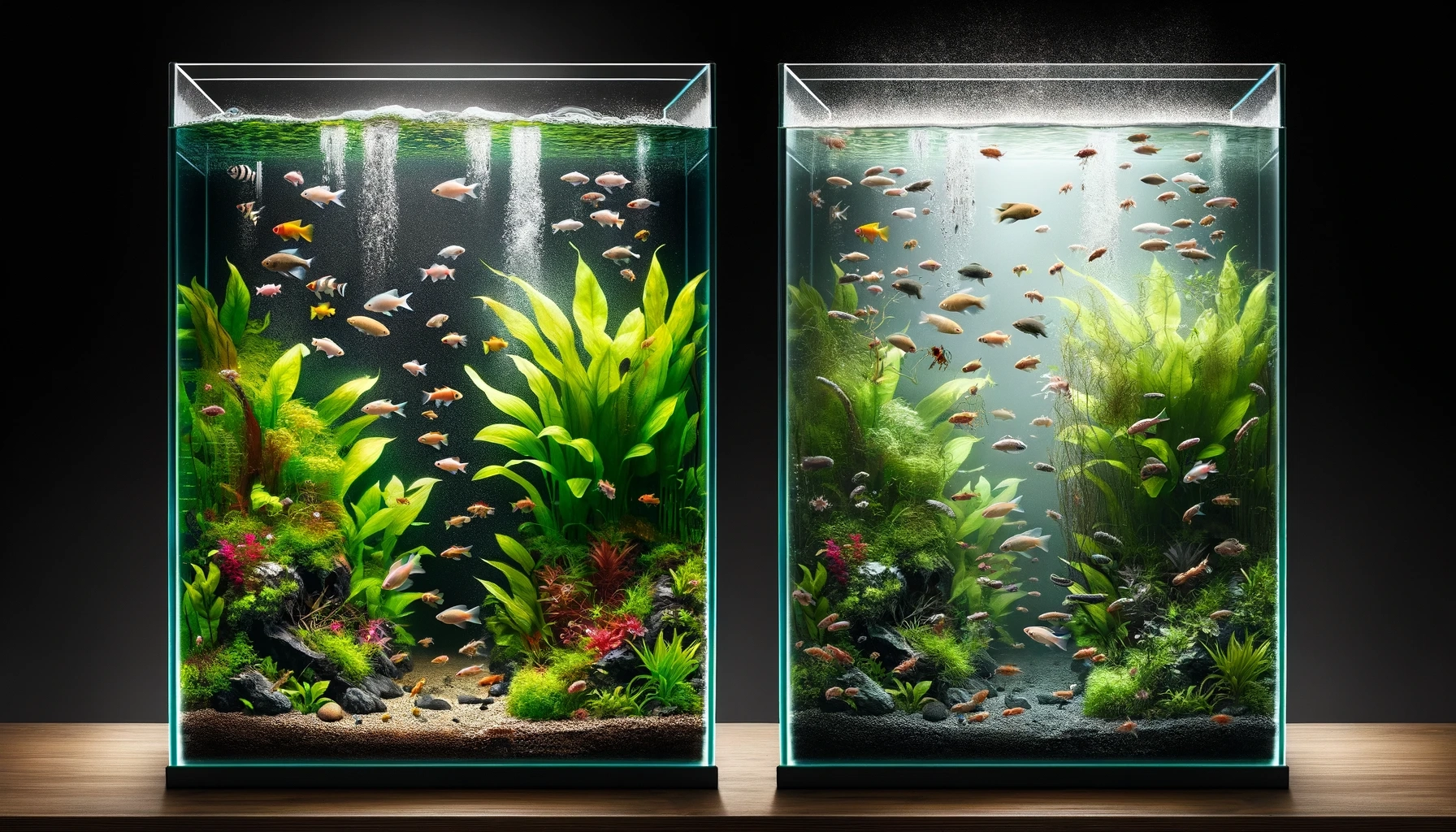
The biological cycle of an aquarium is a crucial process that every aquarium owner should understand. It refers to the natural cycle of nitrogenous compounds in the water, which are transformed by beneficial bacteria into less harmful forms. This cycle is important because it helps maintain the overall health and well-being of the aquarium’s inhabitants.
At the heart of this process is the conversion of toxic ammonia, excreted by fish waste and leftover food, into nitrite and then nitrate. Without the presence of beneficial bacteria, ammonia levels in the aquarium can quickly rise to dangerous levels, leading to stress and potential death for the fish. The establishment of a healthy population of beneficial bacteria is essential for successfully cycling an aquarium and creating a stable environment for the fish to thrive.
Understanding the biological cycle of an aquarium is the foundation for maintaining a healthy and balanced ecosystem. By comprehending the importance of beneficial bacteria and their role in converting harmful compounds, aquarium owners can take appropriate measures to cycle their tanks effectively. This knowledge will help ensure the longevity and well-being of the fish, creating a beautiful and sustainable underwater world to enjoy.
The Significance of Establishing a Healthy Aquarium Environment
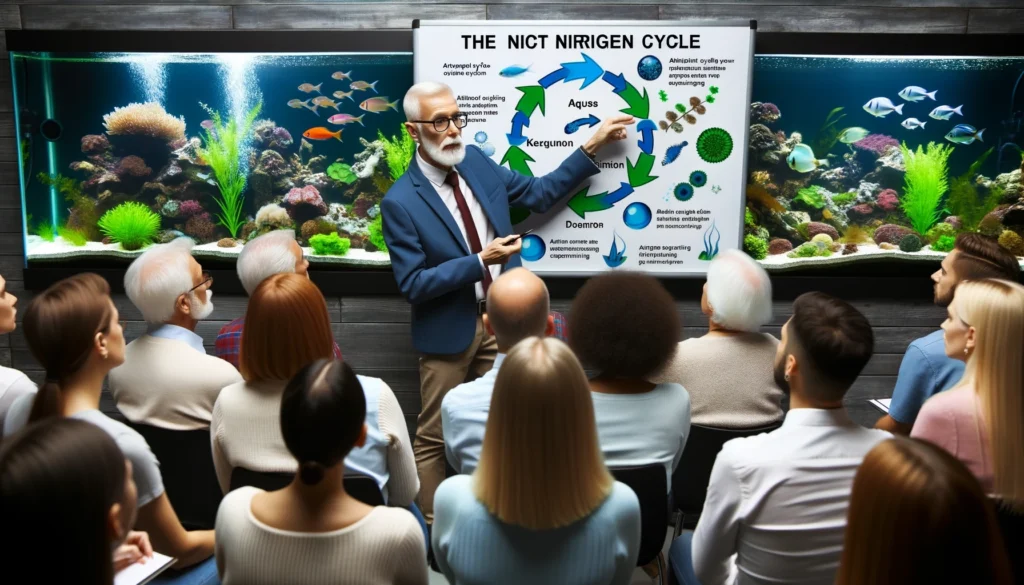
Setting up a healthy aquarium environment is of paramount importance for the overall well-being of the aquatic inhabitants. Creating an environment that closely mimics the natural habitat of the fish promotes their physical and mental health, reducing the likelihood of stress-related diseases. When fish are subjected to unsuitable conditions, they become more vulnerable to various ailments, leading to a shorter lifespan and diminished quality of life. Therefore, it is crucial to establish an aquarium environment that satisfies the needs of the fish, allowing them to thrive and exhibit their natural behaviors.
A healthy aquarium environment also plays a pivotal role in maintaining the delicate balance of the ecosystem within the tank. Each component, from the water quality to the presence of beneficial bacteria, contributes to the overall stability and vitality of the ecosystem. By ensuring that the water parameters, such as temperature, pH, and ammonia levels, are within the appropriate range, you provide a favorable environment for the establishment of a diverse and thriving community of organisms. This, in turn, creates a harmonious balance of life, where each organism fulfills a specific ecological role, such as scavenging excess nutrients or keeping certain populations in check. Thus, establishing a healthy aquarium environment not only benefits the inhabitants but also fosters a self-sustaining ecosystem that can flourish for years to come.
The Role of Beneficial Bacteria in Aquarium Cycling
Aquarium cycling is a crucial process that every fish owner must undertake before introducing any aquatic life into their tank. During this period, the establishment of beneficial bacteria is of utmost importance. These bacteria play a vital role in maintaining a healthy environment for the fish to thrive.
Beneficial bacteria, also known as nitrifying bacteria, are responsible for converting harmful substances, such as ammonia and nitrites, into less toxic compounds. Ammonia, which is produced by fish waste and decaying organic matter, can be highly toxic and can even lead to fish death if not properly managed. However, the presence of beneficial bacteria helps to break down these toxins, converting ammonia into nitrites and then further into nitrates. Nitrates, unlike ammonia and nitrites, are relatively harmless to fish when present in low quantities.
Avoiding Common Mistakes in Aquarium Cycling
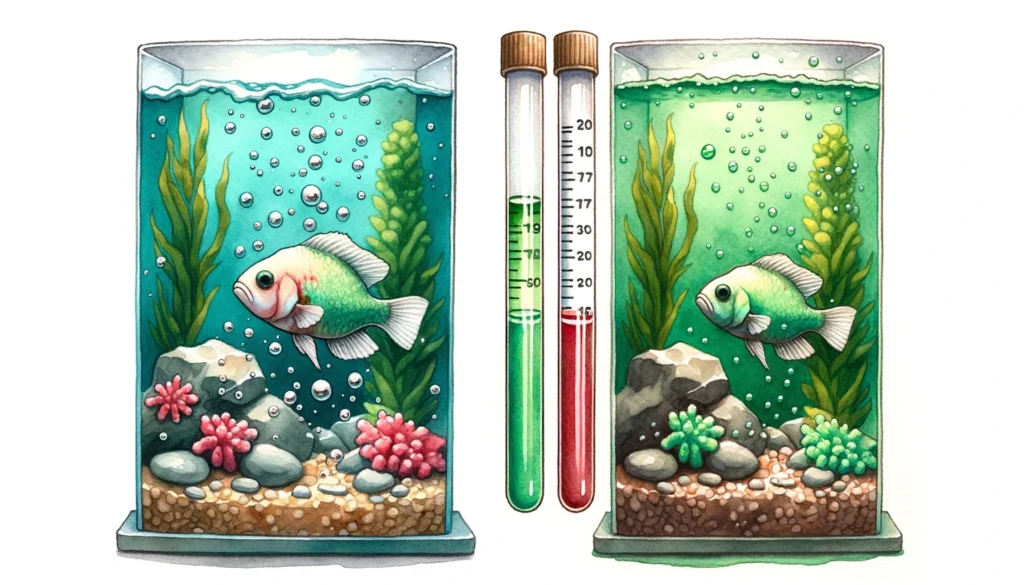
Mistakes can often be made when cycling an aquarium, but with careful attention and knowledge, they can easily be avoided. One common mistake is not allowing enough time for the cycling process to occur. Some aquarium owners may rush the process, eager to add fish to their tank. However, it is important to understand that cycling takes time and patience. This process allows beneficial bacteria to establish and effectively break down harmful toxins in the water. By allowing the necessary time for cycling, you ensure a healthy and stable environment for your fish.
Another common mistake is overfeeding the fish during the cycling process. It may be tempting to provide a comfortable and nourishing environment for your new fish, but overfeeding can lead to a buildup of harmful ammonia and nitrate levels in the tank. It is important to feed your fish sparingly during the cycling process, only providing them with the amount of food they can consume within a few minutes. This will prevent excess waste and maintain proper water quality. By avoiding these common mistakes, you can successfully cycle your aquarium without compromising the health and well-being of your fish.
The Impact of Proper Cycling on Fish Health
Proper cycling of an aquarium is of utmost importance when it comes to the health and well-being of the fish residing in it. Without a well-established, balanced ecosystem, fish can suffer from a range of health issues, including stress, disease, and even death.
One of the primary effects of proper cycling on fish health is the promotion of a stable and healthy water environment. By allowing beneficial bacteria to establish and thrive, cycling ensures that harmful substances, such as ammonia and nitrites, are efficiently broken down and converted to non-toxic nitrates. This reduction in toxic compounds significantly reduces the risk of fish experiencing stress or illness, ultimately leading to improved overall health. Additionally, a properly cycled aquarium provides sufficient levels of dissolved oxygen and stable pH levels, essential factors for supporting the respiratory and physiological needs of fish.
Maintaining Water Quality through Effective Cycling
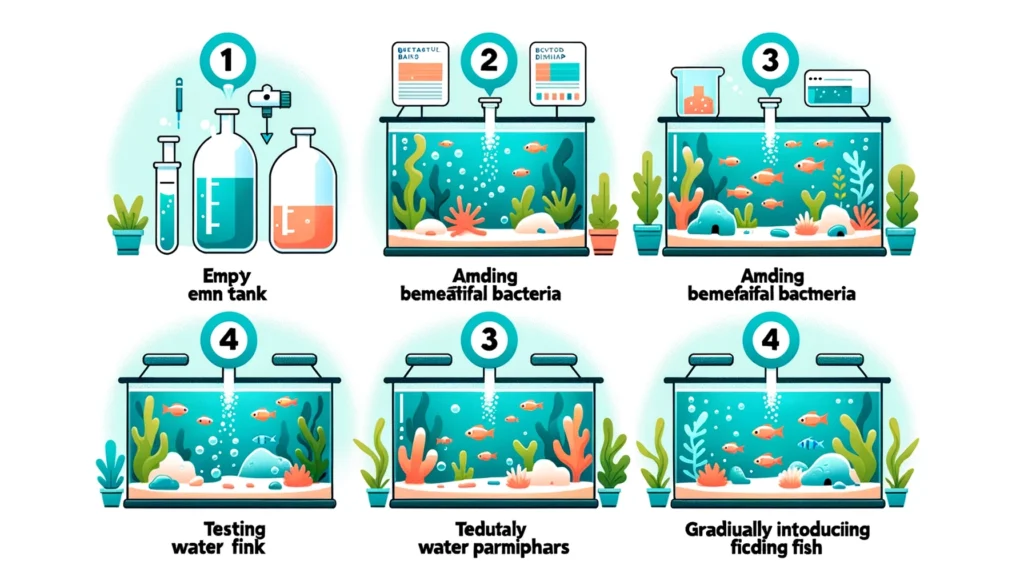
One crucial aspect of maintaining water quality in an aquarium is through effective cycling. Cycling refers to the process of establishing a healthy balance of beneficial bacteria in the water, which helps break down harmful substances and keep the aquarium environment stable. This biological cycle plays a significant role in creating a safe and thriving habitat for your aquatic inhabitants.
During the cycling process, beneficial bacteria, known as nitrifying bacteria, convert toxic ammonia produced by fish waste into less harmful substances such as nitrite and then nitrate. These bacteria colonize the filter media, substrate, and other surfaces in the aquarium, carrying out their essential role in the nitrogen cycle. By effectively cycling an aquarium, you can maintain low levels of ammonia and nitrite, ensuring that your fish and other aquatic creatures are not exposed to harmful levels of these toxic substances. This, in turn, promotes optimal water quality and supports the overall health and well-being of your aquarium inhabitants.
The Importance of Patience in Aquarium Cycling
Aquarium cycling is a process that requires both time and patience. It is essential for establishing a healthy and thriving environment for fish. Without proper cycling, fish are at risk of experiencing stress and poor health conditions. Patience is crucial during this phase as it allows for the growth of beneficial bacteria that help break down harmful toxins in the water. These bacteria are responsible for the nitrogen cycle, which is vital for maintaining water quality and ensuring the well-being of your aquatic pets.
Rushing the cycling process can be detrimental to both the fish and the overall stability of the aquarium ecosystem. It is tempting to introduce fish prematurely, eager to witness their graceful presence, but doing so can disrupt the delicate balance of the system. It is important to remember that cycling an aquarium takes time, generally ranging from a few weeks to several months. During this period, it is necessary to carefully monitor and test the water parameters regularly, allowing the beneficial bacteria to establish and thrive. Patience is the key to success in aquarium cycling, ensuring that the biological processes have sufficient time to develop a healthy environment for your fish to flourish.
Creating a Balanced Ecosystem in Your Aquarium
Creating a balanced ecosystem in your aquarium is crucial for the health and well-being of your aquatic inhabitants. In order to achieve this, it is important to carefully select the right combination of fish, plants, and other aquatic organisms that are compatible with each other. Each species has its own specific needs and requirements, and it is essential to provide them with the proper living conditions to thrive.
One important aspect of creating a balanced ecosystem is maintaining a suitable water quality. Regular testing of water parameters such as pH, ammonia, nitrite, and nitrate levels is necessary to ensure they are within the acceptable range for your aquatic inhabitants. It is also important to monitor water temperature and provide appropriate lighting conditions. By staying on top of these factors, you can proactively address any issues and maintain a stable and healthy environment for your aquatic ecosystem.
To further promote a balanced ecosystem, it is crucial to establish proper feeding practices. Overfeeding can lead to excess waste production, resulting in poor water quality and potential health issues for your fish. It is advisable to feed your fish small portions multiple times a day, and remove any uneaten food to prevent it from decomposing and polluting the water. Additionally, incorporating live or frozen foods into their diet can provide essential nutrients and simulate natural feeding behaviors.
By following these guidelines and providing a well-adjusted environment, you can create a balanced ecosystem in your aquarium that fosters the overall health and longevity of your aquatic inhabitants.
The Benefits of Cycling for Long-Term Aquarium Success
Establishing a properly cycled aquarium brings a host of benefits to ensure long-term success in maintaining a healthy aquatic environment. One of the key advantages is the promotion of water stability. Without a proper cycle, the water parameters in the aquarium can shift dramatically, leading to imbalances that can severely affect the well-being of the fish and other inhabitants. A stable and well-cycled aquarium provides a consistent environment that minimizes stress on the aquatic life, allowing them to thrive.
Another significant benefit of cycling is the establishment of a robust biological filtration system. During the cycling process, beneficial bacteria develop and colonize various surfaces within the aquarium, such as filter media and substrate. These bacteria play a vital role in breaking down toxic substances, such as ammonia and nitrite, into less harmful compounds. With a well-established bacterial colony, the aquarium is better equipped to handle organic waste and maintain optimal water quality. This ensures that the fish and other aquarium inhabitants are exposed to a clean and safe environment, reducing the risk of health issues and promoting their overall well-being.
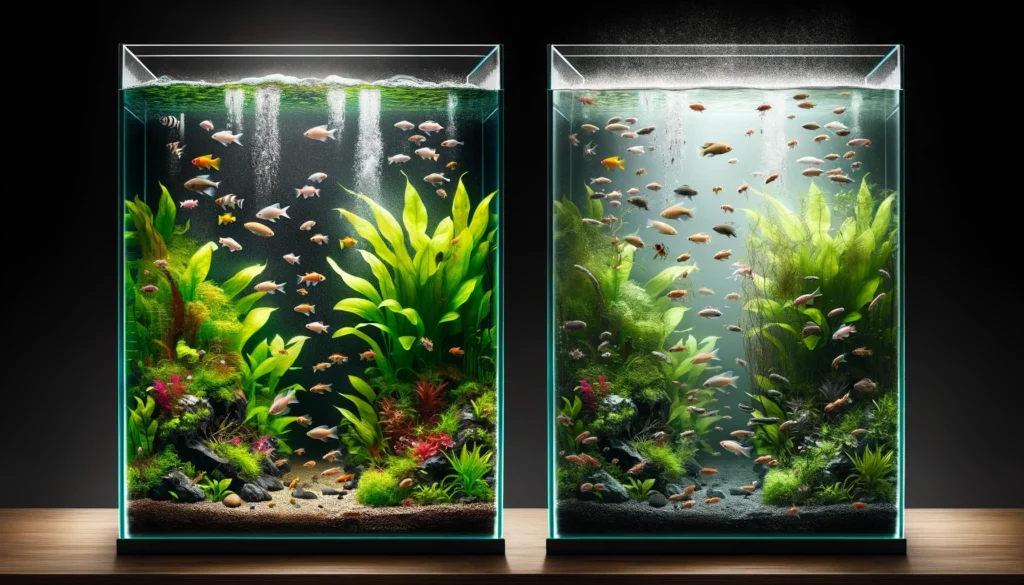
Best Practices for Properly Cycling an Aquarium
Properly cycling an aquarium is crucial for the health and well-being of its inhabitants. To ensure success, it is important to follow a set of best practices. Firstly, it is essential to start with a clean aquarium. This means thoroughly rinsing any new equipment, such as filters or decorations, to remove any debris or chemicals that could harm the fish. Additionally, make sure to properly condition the water by using a water conditioner to remove any chlorine or chloramines.
Secondly, it is vital to understand the importance of beneficial bacteria in the cycling process. These bacteria help convert harmful ammonia into less toxic substances, such as nitrites and nitrates. To promote the growth of these beneficial bacteria, add a source of ammonia to the aquarium, such as fish food or pure ammonia, and regularly test the water parameters to ensure that the levels are within the acceptable range. This will allow the bacteria to establish a stable and healthy environment for the fish. By following these best practices, you can create a thriving ecosystem in your aquarium and provide a safe and healthy home for your aquatic friends.
Leave a Reply