
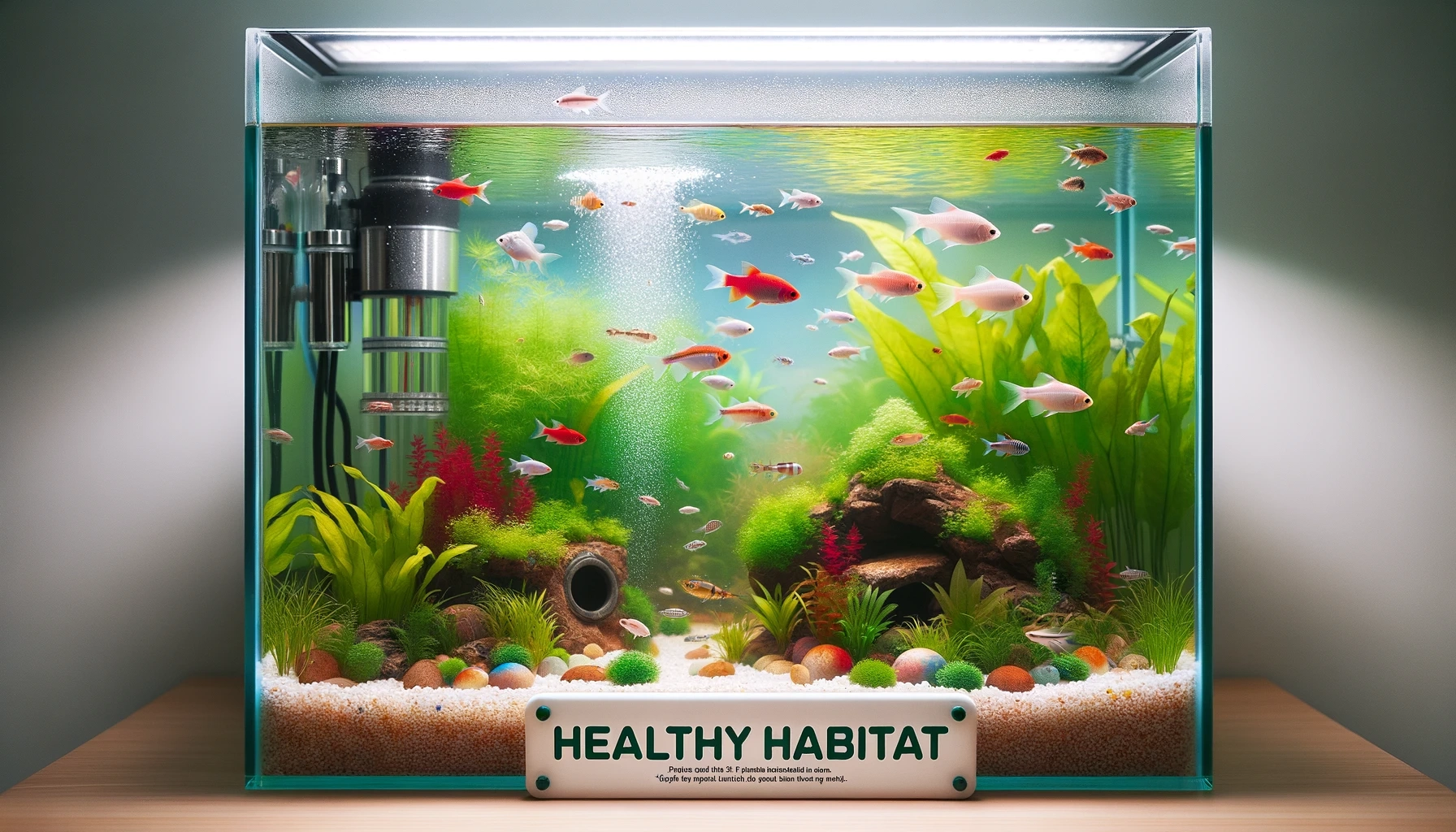
Understanding Fish Diseases: An Overview
Fish diseases can be a significant concern for aquarium enthusiasts, as they can quickly spread and cause harm to the health of the entire population within the tank. Understanding the basics of fish diseases is crucial for every fish owner, as it will enable them to identify potential issues early on and take appropriate measures to prevent or treat them.

Fish diseases can be caused by a variety of factors, including poor water quality, stress, inadequate nutrition, and the presence of pathogens such as bacteria, viruses, fungi, and parasites. These diseases can manifest in a range of symptoms, including visible wounds or sores, changes in behavior, appetite loss, fin rot, cloudy eyes, and abnormal swimming patterns. Early detection is key in treating fish diseases effectively, so it is important for fish owners to monitor their fish regularly and familiarize themselves with common symptoms.
(Note: The article is in progress and does not have a conclusion at this time.)
Importance of Proper Fish Care and Maintenance
Proper fish care and maintenance are essential for the overall well-being and long-term health of your aquatic pets. As a responsible fish owner, it is your duty to provide them with a clean and suitable environment to thrive in. This involves regular tank cleanings, proper filtration, and maintaining stable water parameters.
By ensuring that your fish are living in a clean and healthy environment, you can significantly reduce the risk of them contracting diseases. Fish are susceptible to a wide range of ailments, including bacterial, fungal, and parasitic infections. However, with proper care, you can minimize the chances of your fish falling ill and experiencing unnecessary suffering.
Regular maintenance tasks such as water changes and filter cleanings help to keep the water conditions optimal for your fish. Clean water free from pollutants is vital for their respiratory health and overall immune function. Additionally, monitoring the temperature and pH levels in the aquarium can prevent stress and create a stable environment for your fish to thrive in.
Moreover, maintaining a balanced diet is equally important in promoting the health of your fish. Providing them with a varied and nutritionally rich diet helps to bolster their immune system, making them more resilient against diseases. It is crucial to research the dietary requirements of the specific species you have and ensure that you are offering them a well-rounded diet.
Overall, proper fish care and maintenance are paramount in preventing diseases and ensuring the well-being of your aquatic pets. By creating a clean and suitable environment and paying attention to their nutritional needs, you can greatly reduce the risk of your fish falling ill and enhance their overall health and vitality.
Creating a Healthy Environment for Your Fish
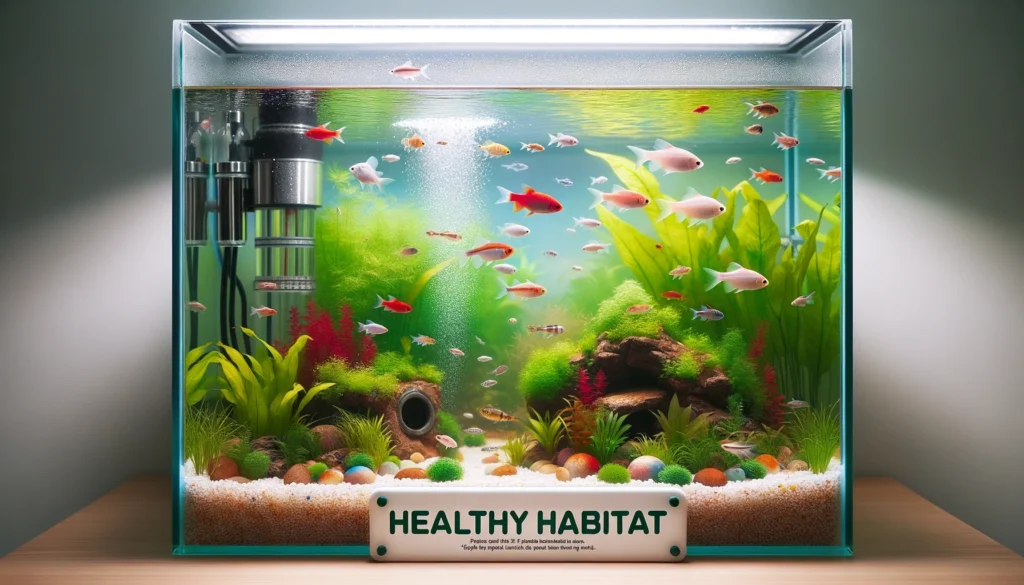
To ensure the well-being of your fish, it is essential to create a healthy environment within their aquarium. A properly maintained tank not only reduces the risk of diseases but also promotes the overall vitality of the fish. One of the most crucial factors in maintaining a healthy environment is water quality. Regular monitoring of water parameters such as temperature, pH levels, ammonia, and nitrate levels is vital. Any fluctuations in these parameters can stress the fish and make them susceptible to diseases. It is advisable to invest in a reliable water testing kit to ensure accurate measurements and take appropriate actions if any parameters are out of range.
In addition to water quality, adequate filtration is paramount for a healthy fish tank. An efficient filtration system helps to remove excess waste, ammonia, and potentially harmful substances from the water. It is recommended to choose a filter that matches the size of your aquarium and the needs of the fish species you are keeping. Regular maintenance of the filter is also essential to ensure its optimal performance. Regular water changes are another crucial aspect of maintaining a healthy environment. Partial water changes help to dilute toxins in the water, reduce stress on the fish, and maintain water quality. It is generally recommended to replace 15-20% of water every 1-2 weeks. However, this frequency may vary based on the specific needs of your setup.
Identifying Common Symptoms of Fish Diseases
Fish, like any living creatures, are susceptible to various diseases. Identifying common symptoms of fish diseases is crucial in order to prevent further spread and determine appropriate treatment. While it may be difficult to diagnose a specific disease based solely on external signs, there are some common symptoms that fish owners can look out for.
One of the most noticeable symptoms of fish diseases is a change in behavior. Diseased fish may become lethargic, lose their appetite, or exhibit abnormal swimming patterns. They may also isolate themselves from other fish or hide in unusual places within the aquarium. Changes in coloration or the appearance of skin lesions are also common indicators of fish diseases. Additionally, infected fish may have swollen or bulging eyes, difficulty in breathing, or display signs of excessive mucus production. By closely observing and recognizing these symptoms, fish owners can take prompt action to ensure the health and well-being of their aquatic pets.
Prevention Through Good Aquarium Hygiene Practices
Maintaining a clean and hygienic aquarium environment is essential for the prevention of fish diseases. Regular aquarium maintenance practices play a crucial role in ensuring the health and well-being of your aquatic pets.
The first step in good aquarium hygiene is to regularly clean the tank. This includes removing any uneaten food, fish waste, and debris that may accumulate at the bottom of the tank. Moreover, it is important to regularly check and clean the tank filters to ensure proper water circulation and filtration. Keeping the water parameters within the recommended range is also essential. Regular testing of the water quality and temperature, along with appropriate adjustments, will help prevent the onset of diseases. These simple yet effective hygiene practices go a long way in creating a healthy environment for your fish.
The Role of Nutrition in Fish Disease Prevention
A balanced and nutritious diet plays a crucial role in preventing fish diseases and maintaining their overall health. Just like humans, fish also need a variety of essential nutrients to strengthen their immune system and fight against potential pathogens. Providing a balanced diet that includes high-quality proteins, vitamins, minerals, and carbohydrates is essential for promoting optimal fish health and disease prevention.
Proteins are particularly important for fish as they are the building blocks for growth and repair of their body tissues. Fish require a diet that is rich in essential amino acids, which cannot be produced by their own bodies. Including high-quality protein sources such as fish meal and shrimp in their diet is essential for fostering good health and disease resistance. Additionally, vitamins and minerals, such as vitamin C and calcium, help to support various physiological functions and boost immunity. A proper balance of carbohydrates, obtained from sources like grains and vegetables, provides energy for fish metabolism and promotes overall well-being. Ensuring that your fish receive a nutritionally balanced diet is key to preventing diseases and enhancing their longevity.
Selecting Healthy Fish for Your Aquarium
When it comes to selecting healthy fish for your aquarium, there are a few key factors to consider. First and foremost, it is important to choose fish that are vibrant and active. Look for fish that are swimming actively and confidently, with no signs of lethargy or illness. Avoid fish that appear weak, discolored, or have damaged fins.
Another important aspect to consider is the size of the fish. Avoid purchasing fish that are noticeably smaller than their counterparts, as this could indicate issues with growth, nutrition, or overall health. It is also wise to research the specific requirements of the species you are interested in before making a purchase. Some fish have specific dietary needs or require certain water conditions to thrive, so be sure to provide the appropriate environment for your chosen species. By carefully selecting healthy fish for your aquarium, you are setting the foundation for a vibrant and thriving aquatic ecosystem.
Quarantine: A Crucial Step in Disease Prevention
One of the key steps in preventing fish diseases in your aquarium is the implementation of a proper quarantine process. Quarantine is a crucial measure that ensures any new fish you introduce to your tank are healthy and disease-free.
During the quarantine period, new fish are isolated in a separate tank for a certain duration to monitor their health and observe for any signs of diseases. This allows you to identify and treat any potential illnesses before introducing the fish into your main aquarium. Quarantine helps to prevent the spread of disease to your existing fish population, ultimately safeguarding the overall health of your aquarium.
Common Fish Diseases and Their Causes
Fish diseases can be a significant concern for aquarium owners, as they can lead to significant health issues and even death for the fish. Understanding the common diseases and their causes is crucial for prevention and effective treatment. One common fish disease is Ich, also known as white spot disease. Ich is caused by a parasite called Ichthyophthirius multifiliis, which can easily be introduced into an aquarium through infected fish or contaminated water. This disease presents as small white spots on the fish’s body, fins, and gills, leading to irritation and discomfort. If left untreated, Ich can quickly spread and be fatal for the infected fish.
Another common fish disease is fin rot, which can be caused by both bacteria and poor water quality. Fin rot is characterized by the deterioration and fraying of the fish’s fins, making them appear ragged and tattered. Bacterial infections caused by opportunistic pathogens are often the primary culprits behind this disease. Poor water quality, such as high ammonia or nitrite levels, can weaken the fish’s immune system, making them more susceptible to infections. It is essential to maintain proper water conditions and promptly address any signs of fin rot to prevent its progression and minimize the risk of spreading to other fish in the aquarium.
Understanding the common fish diseases and their causes is the first step in effective disease prevention and treatment. By being aware of these diseases and their underlying factors, aquarium owners can take the necessary steps to provide a healthy environment for their fish and minimize the risk of illness.
Effective Treatments for Fish Diseases
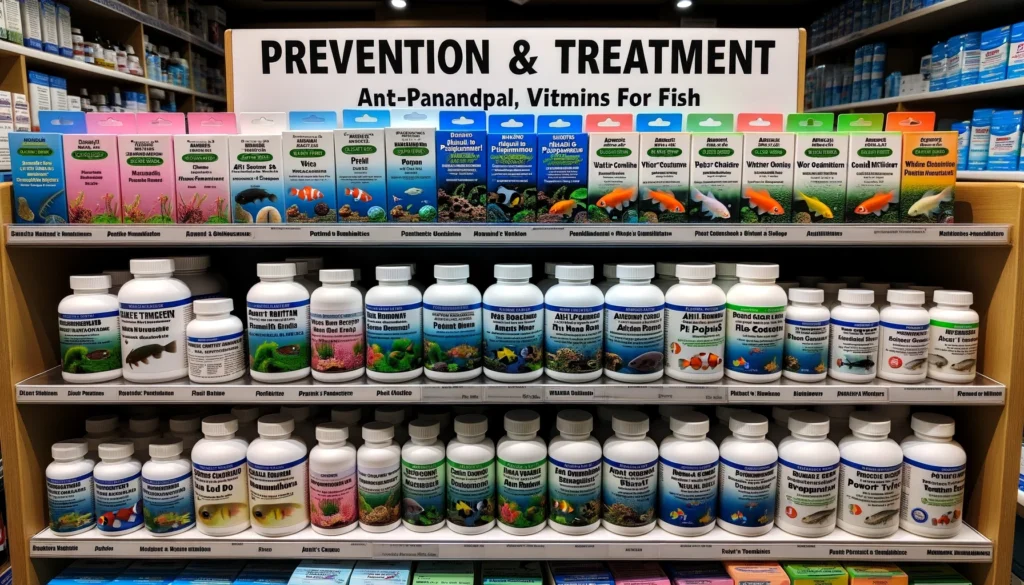
Fish diseases can be a major concern for aquarium owners, as they can cause significant harm to the health and well-being of their fish. Fortunately, there are several effective treatments available to combat these diseases. One commonly used treatment is the use of medication, such as antibiotics or antifungal agents, which can effectively target and eliminate the underlying cause of the disease. It is important, however, to ensure that the medication used is specifically designed for fish, as using human medications can be harmful and ineffective. In some cases, more aggressive treatments such as surgery or euthanasia may be necessary to prevent the spread of the disease and safeguard the overall health of the aquarium. It is crucial to consult with a veterinarian or fish disease specialist when considering these treatments, as they have the expertise and knowledge to provide appropriate guidance and assistance.
Leave a Reply